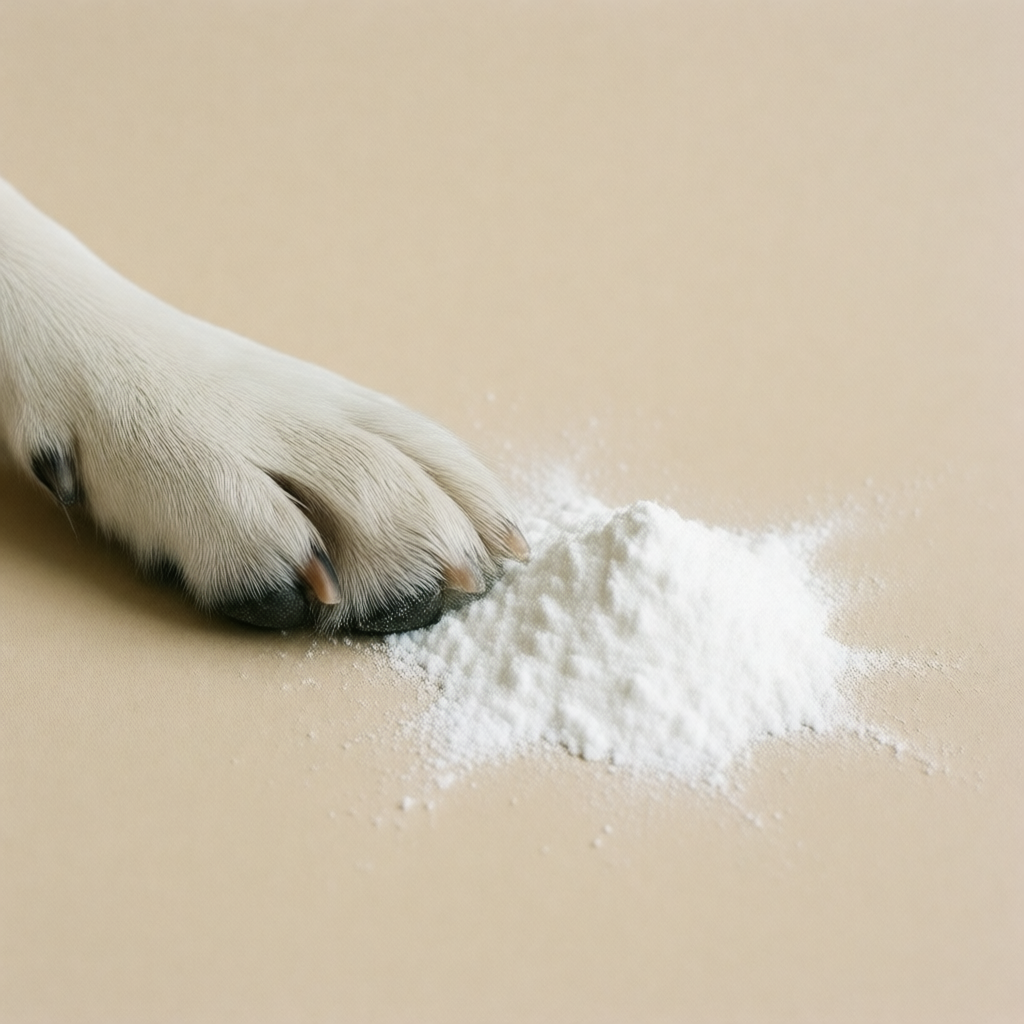
Bed Bug Blues? Let’s Talk About DE Powder Truths and Myths
Why I Almost Gave Up on Bed Bugs
I won’t sugarcoat it—dealing with bed bugs felt like playing whack-a-mole with invisible enemies. After weeks of setting traps and vacuuming, I was *still* finding bites. That’s when I remembered my neighbor’s tip: diatomaceous earth powder for bed bugs. But here’s the kicker—I didn’t do it right.
I realized too late that skipping a few sneaky spots made my effort pointless. If you’re reading this, chances are you’re wrestling with the same nightmare. Let’s talk about the 3 places DIYers *always* forget to treat (I learned this the hard way).
1. The Baseboard Borderline
Picture this: You’ve covered the mattress seams and bed frame, but guess what? Those baseboards along your walls are a secret highway for bed bugs. They crawl between gaps, hiding in cracks I didn’t even notice until I got bit again. Dusting diatomaceous earth powder for bed bugs there? Total game-changer. Just tap a little into crevices and watch the particles work their magic.
-
Use a brush for tight spaces
-
Reapply after cleaning or rain
2. Electrical Outlet Hideouts
Here’s a fun fact: Bed bugs love warm, dark places. Sound familiar? Your wall outlets are basically their five-star resort. Before dusting around them, turn off the power (safety first!). A tiny puff of DE near the edges can stop them cold. Trust me, I stopped seeing bites after targeting these little portals.
3. The Wallpaper Perimeter
If you’ve got peeling wallpaper or old wallpaper strips, listen up. Those flaps? Perfect bug stashes. I found a bunch of eggs tucked under one corner once. Blew my mind. A light dusting of DE behind loose paper works wonders. Pro tip: Tape down any gaps afterward so nothing slips in!
Your Turn: Be the Anti-Bug Hero
Look, nobody wants a bedtime horror story. But if you’ve treated every obvious spot and still see issues, check these three hidden zones. And remember—patience matters. DE doesn’t kill instantly; it dehydrates bugs over time. Stick with it, stay thorough, and you’ll win this fight. Oh, and drop a comment below if I missed a spot—I’m still learning too!
So You Think You Found Bed Bugs?
First things first – yeah, finding even one of those little bastards can make your blood run cold. I've been there, trust me. And if you're reading this, you're probably searching for solutions. That's where diatomaceous earth powder for bed bugs comes into play.
What's the Real Deal with DE?
Okay, let's get real for a second. When I first heard about using food-grade diatomaceous earth powder for bed bugs, I thought... wait, seriously? This dusty stuff can actually help? Here's what happened: I started noticing small spots on my sheets. One morning, I found a couple of them right near the bed frame. Panic mode: activated.
The thing is, most people expect magic overnight results. Spoiler alert: It doesn't work that way. DE isn't some kind of pesticide bomb. It's more like nature's tiny sharp blades working overtime.
Your Timeline vs. How Fast DE Actually Works
Week 1: You Won't See Results Immediately
I'll be honest with you – I expected the bed bugs to just drop dead after applying the powder. Nope. Nothing. Not even an itch to scratch. I almost called my exterminator back in frustration. But here's what was happening underneath:
-
DE dehydrates them slowly over several days
-
Most activity happens when they crawl through treated areas
-
You need consistent reapplication every few days
Week 2-3: Things Start Looking Better
This was when I finally started seeing changes. Not dramatically, but enough to keep going. Some eggs hatched, sure, but fewer bugs overall. The trick? Apply thin layers and don't forget those hidden corners along baseboards and electrical outlets.
One thing I learned the hard way: If you apply it too thickly, it won't work as well. DE needs to stay dry and powdery so it can do its dehydration job properly.
Week 4+: Final Stages and Prevention
By week four, most of the visible bugs were gone. I switched from daily dusting to once-weekly maintenance. Still checking mattress seams every night before bed. Honestly, this became part of my normal routine now.
Some Important Truths You Need to Know
It Only Works on Contact
DE powder doesn't repel bugs or poison them instantly. They have to walk through it, and then their exoskeleton gets damaged. Slow process, but it works eventually.
Safety First, Always
Use food-grade only! Regular pool shocker grade will mess up your lungs. Wear a mask when applying. Keep pets away during application. Your respiratory system thanks me later.
Combine with Other Methods
Heat treatments, vacuuming, encasing your mattress. All these work better together than alone. DE is just one piece of the puzzle.
Should You Trust the Hype?
Here's my take after months of dealing with this situation: Yes, diatomaceous earth powder for bed bugs does work, but it requires patience. If you need something that works faster, look at professional extermination options.
But if you're looking for a cost-effective, safer alternative that actually helps eliminate bed bugs without harsh chemicals, give DE a fair shot. Just don't expect miracles by day three.
Bottom Line for Readers Like You
Start treating today, stay consistent, and document progress with photos. What worked for me might not work exactly the same for you, but having a plan beats panicking every single time.
Remember: Bed bugs don't care about your schedule, but neither should you. Stay calm, stay prepared, and use diatomaceous earth powder for bed bugs like the long-term solution it actually is.