Diatomaceous Earth ≠ Diatom Mud: Essential Differences and Common Consumer Misconceptions
1. Introduction
With the rapid popularity of green ecological building materials, diatom mud has become a high-end interior wall decoration material favored by consumers due to its formaldehyde purification, humidity regulation, mildew resistance and breathable advantages. In market promotion and daily consumption scenarios, most people easily confuse diatomaceous earth and diatom mud. Many consumers even equate the two substances directly, believing that diatom mud is pure diatomaceous earth and that all diatom-containing wall materials have the same functional effect.
In fact, diatomaceous earth and diatom mud are completely different in essence: one is a natural mineral raw material, and the other is a composite finished building product. Blind equivalence leads to widespread consumer misunderstandings, false publicity by individual brands, and wrong purchasing judgments. This article clearly distinguishes the essential attributes, composition, functions and application scenarios of diatomaceous earth and diatom mud, and systematically sorts out common market misconceptions.
2. Essential Definition and Attribute Difference
2.1 What is Diatomaceous Earth?
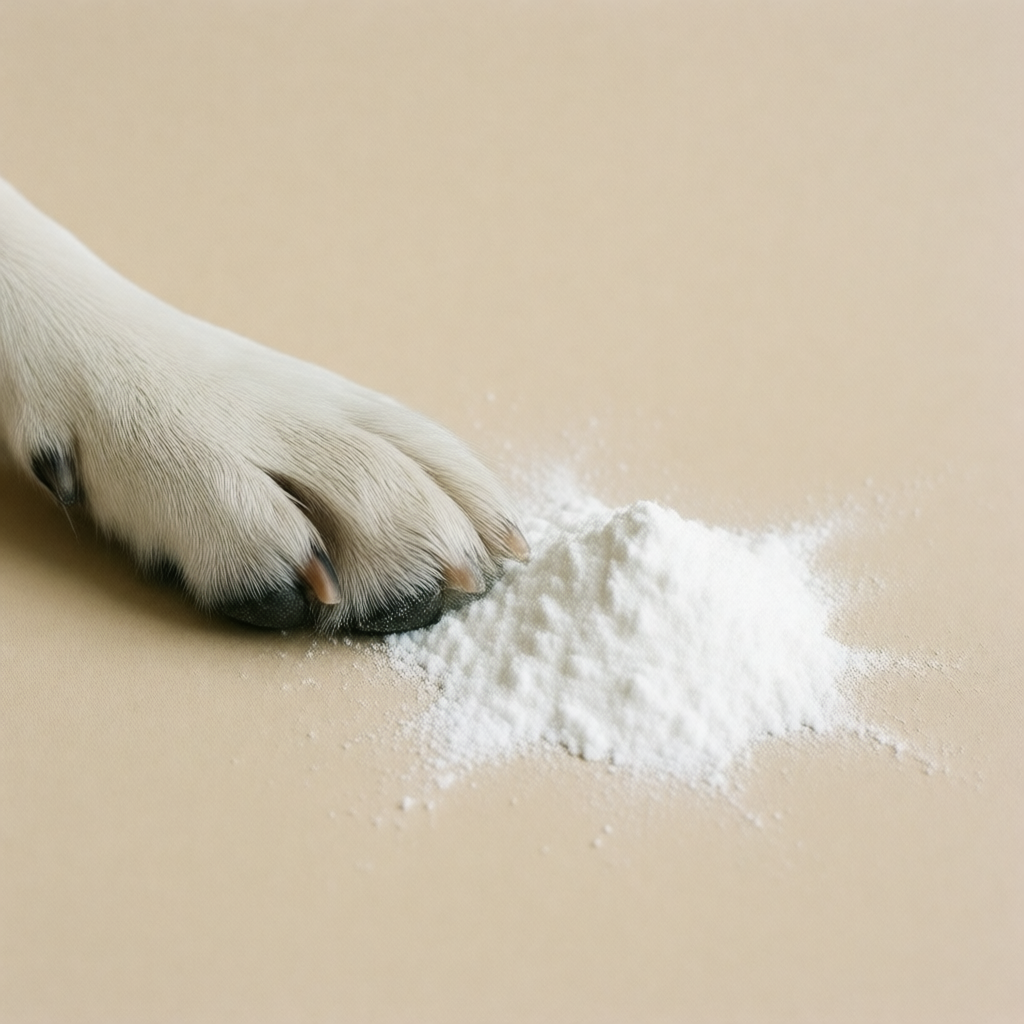
Diatomaceous earth is a pure natural biogenic siliceous mineral raw material formed by the fossilization of ancient diatom remains after millions of years of geological deposition. Its main component is amorphous silica, with a unique natural porous structure, strong adsorption capacity, chemical inertness and high thermal stability.
Diatomaceous earth belongs toindustrial raw material rather than terminal consumer products. It has no fixed product form and can be processed into different grades of powder materials. According to structural differences, it is divided into ordinary disordered diatomaceous earth and high-grade linear diatomaceous earth. It is widely used in industrial filtration, catalyst carriers, environmental adsorption, agricultural improvement, daily chemical abrasives and building material fillers.
2.2 What is Diatom Mud?
Diatom mud is a composite interior wall environmental protection coating product made by using diatomaceous earth as the core functional filler, adding inorganic binders, inorganic pigments, toughening agents and auxiliary mineral materials through scientific proportioning and processing.
Diatom mud is a finished decorative material facing terminal consumers. Its core function comes from diatomaceous earth, but its molding performance, wall adhesion, scrub resistance and construction completely depend on other auxiliary inorganic materials. Pure diatomaceous earth cannot be directly used for wall painting and molding, and has no decorative and structural strength of diatom mud.
3. Core Differences Between Diatomaceous Earth and Diatom Mud
3.1 Different Material Properties
Diatomaceous earth is a single natural mineral raw material with pure porous structure, strong adsorption and no bonding strength. It is loose powder and cannot form a film or harden independently. Diatom mud is a compound synthetic material with comprehensive physical properties such as bonding strength, weather resistance, molding texture and wall firmness.
3.2 Different Component Structures
High-purity diatomaceous earth is almost entirely composed of diatom frustule skeleton, with high porosity and strong adsorption. Diatom mud contains only 15%–40% diatomaceous earth in most market products, and the rest are inorganic fillers and adhesives. The higher the purity of diatom mud, the higher the content of high-quality diatomaceous earth (especially linear diatomaceous earth), and the better the environmental purification and humidity adjustment functions.
3.3 Different Functional Orientations
Diatomaceous earth focuses on industrial functional attributes: precision filtration, pollutant adsorption, catalyst loading, material modification and soil improvement. Diatom mud focuses on architectural decoration and indoor ecological attributes: wall beautification, humidity adjustment, formaldehyde adsorption, mildew prevention and sound absorption.
3.4 Different Application Scenarios
Diatomaceous earth serves industrial production and industrial manufacturing fields, including chemical industry, environmental protection, new energy, food filtration, agriculture and functional materials. Diatom mud only serves indoor building decoration and belongs to residential and commercial decoration materials.
4. Common Consumer Misconceptions in the Market
4.1 Misconception 1: Diatom Mud is Pure Diatomaceous Earth
This is the most widespread misunderstanding. Many consumers believe that diatom mud walls are completely made of pure diatomaceous earth. In fact, pure diatomaceous earth powder has no bonding force and cannot be solidified on the wall. Without inorganic adhesive components, the wall will be loose, powdery and cannot be used normally. Qualified diatom mud must be a scientific composite formula rather than pure diatomaceous earth stacking.
4.2 Misconception 2: All Diatom Mud Has the Same Purification Effect
Consumers often think that all diatom mud products have formaldehyde removal and humidity adjustment functions. In fact, the core function of diatom mud depends entirely on the purity and structural type of diatomaceous earth raw materials. Low-grade diatom mud uses ordinary low-purity disordered diatomaceous earth with low effective pore utilization rate and extremely weak adsorption capacity. Only high-end diatom mud added with linear ordered diatomaceous earth can achieve real continuous air purification and humidity balance effects.
4.3 Misconception 3: The Higher the Diatom Content, the Better the Diatom Mud
Blindly pursuing high diatom content is wrong. Excessively high diatomaceous earth content will reduce the bonding strength and weather resistance of diatom mud, resulting in wall powder falling, poor scrub resistance and short service life. Excellent diatom mud products rely on high-quality linear diatom raw materials and scientific formula ratio, not simply high content.
4.4 Misconception 4: Diatom Mud Can Purify Air Permanently Without Limit
Many businesses promote that diatom mud can absorb formaldehyde permanently. In fact, the porous adsorption capacity of diatomaceous earth is limited. After adsorption saturation, if there is no automatic desorption and degradation system, the purification function will fail. High-quality diatom mud realizes cyclic purification through the synergistic effect of linear diatom pore structure and auxiliary functional components, while ordinary products only have temporary physical adsorption.
4.5 Misconception 5: White Powder on Diatom Mud Wall is Product Quality Problem
Consumers easily regard the fine powder on the surface of diatom mud as unqualified quality. In fact, proper fine powder is the characteristic of porous diatom mud, which proves that the wall retains effective pore structure and has breathable and adsorption functions. Excessively smooth and non-powdery diatom mud often means that the diatom pores are completely blocked and lose ecological functions.
5. Correct View of Diatomaceous Earth and Diatom Mud
Diatomaceous earth is the functional core raw material of diatom mud, and diatom mud is theterminal green building product derived from diatomaceous earth. The two are upstream and downstream industrial relationships, not equivalent relationships. High-quality linear diatomaceous earth is the key to determine the grade of diatom mud. Only high-end diatom mud compounded with ordered linear diatomaceous earth can truly realize ecological functions such as humidity adjustment, mildew resistance and air purification.
6. Conclusion
Diatomaceous earth ≠ Diatom mud. Diatomaceous earth is a versatile industrial green mineral raw material, while diatom mud is a professional composite ecological wall decoration material. The widespread market confusion between the two leads to many consumer misunderstandings and misleading marketing behaviors. Clarifying the essential differences in attributes, components, functions and application scenarios can help consumers correctly identify high-quality diatom mud products, avoid consumption traps, and also provide a correct industrial cognition for the standardized development of the diatom mud building material industry.