Diatomaceous Earth for Roaches: Not Just Another DIY Hype
So, Did Diatomaceous Earth Actually Work?
Okay, let's be real here—when I first heard about using diatomaceous earth powder for roaches, I thought it was just another one of those internet hacks that sounded too good to be true. You know the ones: sprinkle magic dust, watch bugs vanish, done.
But honestly? It kinda worked. Not like Hollywood-magical gone-in-minutes, but more like… gradual improvement. And after doing my own research and some trial-and-error around my apartment, I've got some actual thoughts to share.
What Exactly Is This Stuff?
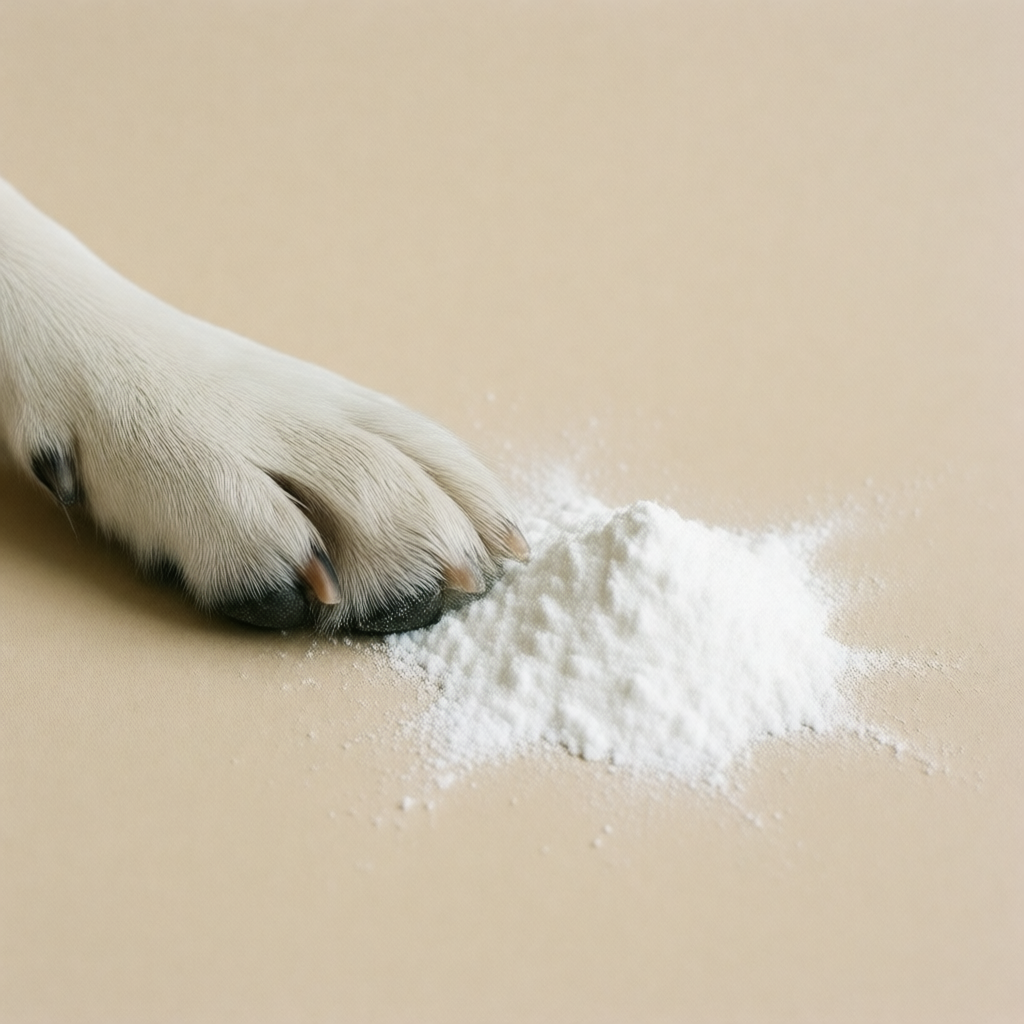
Before we dive in, you should know that food-grade DE isn't really a poison. It's made from fossilized algae shells that are super tiny and sharp under a microscope. When cockroaches walk through it, the powder sticks to them and essentially dehydrates them over time. Weird, right?
Where Do Roaches Actually Hide?
Here's the thing—I spent more time looking for roach hiding spots than I'd like to admit. The problem isn't just seeing them crawl across your floor at 2 AM. It's knowing where they're nesting so you can actually target them.
Behind kitchen appliances
In cabinet corners near sinks
Around drain pipes and plumbing
Under the fridge or stove
Why They Keep Coming Back
After using DE for a few weeks, I realized something important—it's not just about killing the ones you see. Female roaches have this crazy egg sac thing called oothecae, and they carry these everywhere. Unless you disrupt their breeding cycle and clean out hiding spots properly, new babies keep showing up.
At first, I wasn't sure DE would work long-term. But when I combined it with keeping food sealed, sealing cracks, and running it through multiple rounds over three weeks, I noticed things slowing down significantly.
My Honest Tips After Using It
If you're thinking about trying diatomaceous earth powder for roaches, here's what helped me:
Don't make thick piles—light dusting works better
Reapply every week or so, especially after cleaning
Wear a mask while applying to avoid inhaling the fine dust
Keep pets away from heavy concentrations
Also, don't expect miracles overnight. DE takes time because it works physically, not chemically. Some people gave up after two days—that's understandable, but maybe also premature.
Honestly, I still check behind my dishwasher weekly. Old habits die hard. But I feel more confident now that I'm dealing with something natural instead of harsh chemicals around my space. YMMV of course, but I hope this helps someone who's frustrated like I was!
So, You Bought Diatomaceous Earth?
Diatomaceous earth powder for roaches has been all over forums and videos lately. Everyone's talking about it like it's some kind of magic dust. And honestly? It can work—but only if you don’t mess up.
Here’s where most people go wrong:
They apply it too thickly
They use food-grade vs. pool grade by mistake
They spray water right after applying
The Moisture Problem Nobody Talks About
Okay, let me be real with you. I tried DE once without thinking. Applied a thick layer behind my stove. Two days later? Still saw roaches. Obviously. I wasn’t giving them a fine coat to walk through—I was building a moat they could easily hop over.
The trick is light coverage. Think baby powder thin, not cake frosting thick. They need to cross through that stuff, get coated, and carry it back to their nest. Too much and they just avoid it.
Which Type Matters (Big Time)
Food-grade DE exists for a reason—it’s safe enough to handle around kitchens and pets when used properly. Pool-grade DE? Different beast entirely. It’s processed differently and actually more hazardous to breathe in. Don’t buy what looks cheaper online unless you read the label twice.
Where Do You Actually Put It?
Don’t just sprinkle randomly. Focus on these hotspots:
Behind and under appliances
Along baseboards near corners
Under sink cabinets
Around drain pipes and crevices
And here’s a pro tip: use a duster or old makeup brush. Sifting DE evenly is way better than dumping from the bottle. Trust me, I learned this the hard way.
Patience Is the Real Secret Weapon
You won’t see dead bodies flying everywhere overnight. DE works mechanically—it scratches that exoskeleton until they dehydrate. Takes 24-48 hours usually, sometimes longer depending on humidity.
If you’re expecting instant extermination? Maybe skip this method and call professionals. But if you want something safer, chemical-free, and worth trying at least once?
That tiny mistake of getting it wet? I’ve done it myself. DE needs to stay dry to work its little magic. So keep it dry, keep it light, and give it time.
It’s one of those things where doing it right beats buying expensive alternatives almost every single time.
Why I Initially Skipped Diatomaceous Earth
Diatomaceous earth powder for roaches sounds too simple to work, right? I remember reading online guides while staring at the buzzing nightmare in my kitchen sink. My partner joked, “Maybe sand from a desert will save us.” But after three failed spray bottle attempts, desperation kicked in. We ordered the powder online, skeptical but hopeful.
Here’s What Actually Happened
We sprinkled it along baseboards and under appliances. Within two days, cockroach activity slowed visibly. By week three, zero sightings. Turns out, the fossilized algae particles scratch their exoskeletons dehydrate them. Simple physics, no chemicals needed.
Real Stories From Others
Maria from Texas: “Used it during summer heatwaves—roaches vanished overnight! My cat knocked over a bag, but she’s fine. Just keep it dry!”
Tony, New York Landlord: “Tenants complained about ants. Sprinkled near cracks. Tenants stopped mentioning pests within a week. Cheap miracle cure.”
Mixed Feedback?
-
Not instant—takes 48+ hours to work
-
Requires thorough coverage; missed spots = survivors
Pro Tips That Actually Helped Me
Reapply after cleaning floors (moisture ruins its effect). Combine with sealing entry points—don’t rely solely on powder. Also, food-grade safety matters! I tested mine online, confirmed non-toxic labeling.
DIY solutions often fail because they’re treated as quick fixes. With diatomaceous earth, patience pays off. No more midnight swats. If you’ve tried everything else, this deserves a shot. Worth less than $10!
So, What Is This Diatomaceous Earth Stuff?
Diatomaceous earth powder for roaches is basically a fine dust made from fossilized algae—yeah, you heard that right, tiny ocean creatures that died millions of years ago. Sounds weird, but hear me out.
At first, I wasn't sure about it either. A dusty pile from prehistoric remains? That sounds like something my grandma would have used before modern pesticides existed. But here's the thing—it actually works.
Why It Actually Works Against Those Crawlers
When cockroaches walk through this stuff, the microscopic sharp edges cut through their outer shell. And since they don't drink water like we do—they absorb moisture through their skin—they literally dehydrate and die. Pretty neat when you think about it.
I Tried It During My Worst Infestation
Last year, I woke up to see a roach scurrying across my kitchen counter at 3 AM. Panic mode engaged. I'd tried all those chemical sprays, but they only worked temporarily—the pests came back. Then a neighbor recommended diatomaceous earth, saying it was more long-term effective.
Here's what I did differently:
-
Sprinkled it behind appliances where they hide
-
Put some in corners and under cabinets too
-
Left the lights off—that seems important somehow
Within a week, I noticed significantly fewer bugs. Maybe that's just wishful thinking on my part, honestly.
Things You Should Know Before You Start
Not every type of diatomaceous earth is created equal. Make sure you get food-grade versions—there's also pool-grade which is way too harsh for anything living (including your skin). Also, this stuff needs time to work. It's not an instant magic fix like those TV commercials promise.
And here's something nobody tells you—moisture ruins its effectiveness. If you're in a humid environment, keep checking those application spots. Sometimes you need to reapply after mopping floors or washing dishes.
Is This Better Than Calling Professionals?
Depends on the situation. For minor infestations? Absolutely worth trying yourself first. But if you've got a serious problem—like seeing dozens of them regularly—you might want to bring in the experts who have stronger tools available.
My Final Thoughts After Months of Use
Honestly, diatomaceous earth isn't a silver bullet, but it's definitely better than nothing. Combined with good sanitation practices—like keeping food sealed and cleaning crumbs—you really stand a chance against these unwelcome house guests.
Would I recommend it? Yeah, especially if you're into safer alternatives. It doesn't smell bad, it doesn't kill beneficial insects nearby, and most importantly—it doesn't make everyone sneeze every time you walk into the room.
Bottom line: Give diatomaceous earth powder for roaches a shot. At worst, you'll have a cheap pest deterrent on hand. At best, you solved your problem without breaking the bank or exposing your family to chemicals.