Diatomaceous Earth vs. Spiders: Does This DIY Fix Actually Work?
Let's Talk About Those Unwanted House Guests
Have you ever noticed tiny spider webs in corners you swore were clean? Or caught sight of something scuttling across your bedroom floor at midnight? I've been there more times than I'd admit. Sometimes, those creepy-crawlies aren't just pests—they're hiding in plain sight.
Why You Might Be Missing Them Completely
Spiders are sneaky. They prefer quiet, undisturbed spaces behind furniture, under sinks, or up high near ceilings. If you're relying solely on occasional sweeping, they'll slip right past you. It's not negligence—it's nature doing what spiders do best: staying hidden.
The Diatomaceous Earth Debate
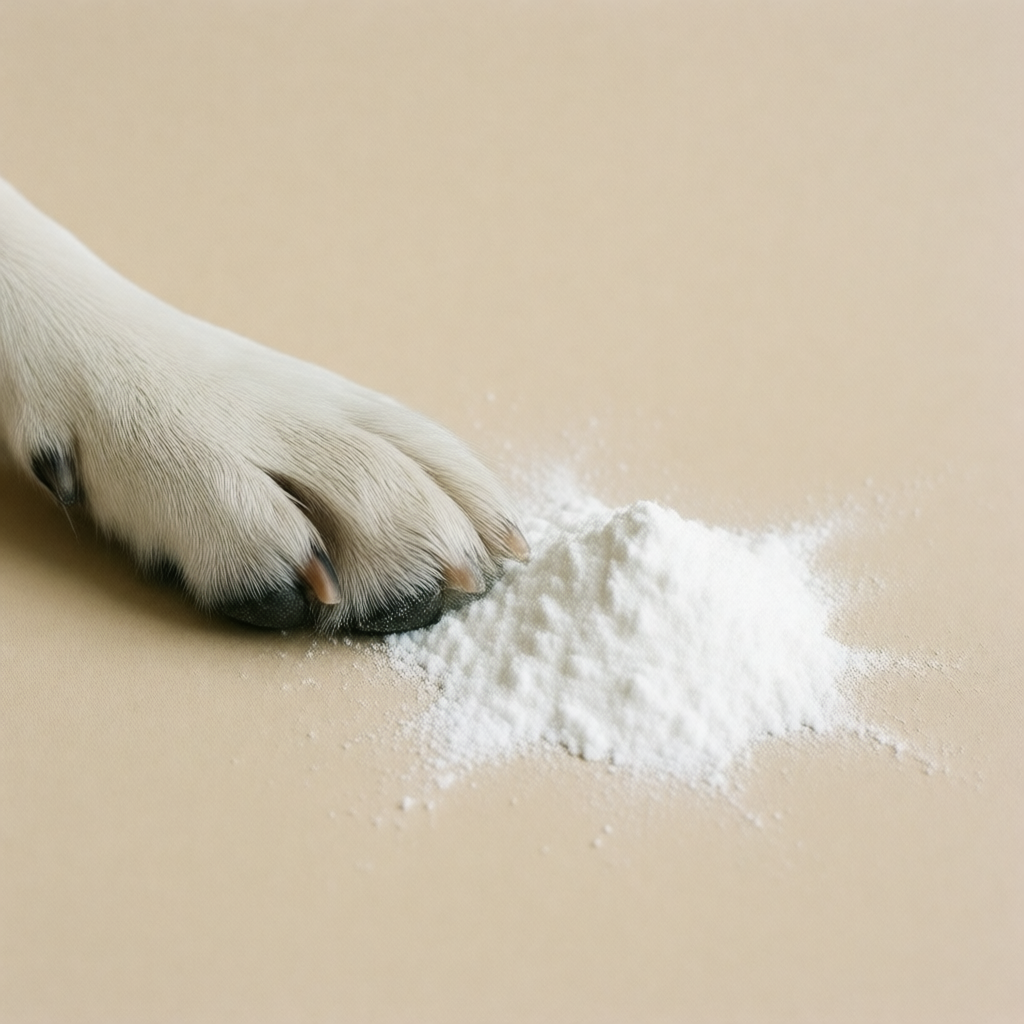
You've probably seen videos of powdery substances labeled “natural pest control”. Enter diatomaceous earth (DE)—a fossilized algae-based powder often marketed to kill spiders. But does it really work? Spoiler: It's complicated.
How It Claims to Work
DE works by scratching the waxy outer layer of insects and arachnids, causing them to dehydrate. Sounds solid, right? Except spiders aren't the same as ants or beetles. Their mobility makes DE hit-or-miss. Plus, humidity kills DE's effectiveness fast. If you live somewhere damp, you're wasting powder.
| Method | Effectiveness | Best For |
|---|---|---|
| Diatomaceous Earth | Moderate | Dry, outdoor areas |
| Sealing Cracks | High | Prevention |
| Professional Treatment | Very High | Severe infestations |
Where DE Falls Short
I tried spreading DE along baseboards once. Within hours, a mop accident wiped most away. Humidity made the rest clump into useless globs. And let's be honest—would you really trust food-grade DE to handle venomous spiders? Probably not.
Better Alternatives to Consider
Focus on prevention first. Caulk gaps, install door sweeps, and reduce clutter where spiders hide. If you already see activity, sticky traps placed strategically work better long-term. Remember, spiders eat other bugs—sometimes keeping them around actually helps! But hey, if their presence gives you anxiety, that's valid too.
Bottom line? DE can play a minor role in pest control, but relying on it alone won't solve a real spider problem. Think of it as one piece of a bigger puzzle. And hey—if you find a spider, try offering it a tissue exit instead of panic. We've all been stuck with a roommate we didn't choose.
So You're Dealing With Spiders… Again?
If you've stumbled upon this page, I'm guessing you've probably spotted another spider in your home. Maybe it's one of those giant ones that makes you do that weird dance around furniture while grabbing a broom. Or maybe it's just that persistent little guy who keeps showing up in corners where you don't even like looking.
Anyway, welcome to the club. We've all been there. And somewhere along the way, you've probably heard about using diatomaceous earth to get rid of them. It sounds science-y and effective, right? But does it actually work? Let me share what I found out when I decided to try it myself.
What Even Is Diatomaceous Earth?
Okay, so before we jump into whether it kills spiders, let's break down what this stuff actually is. From what I read, diatomaceous earth (DE for short) is basically fossilized remains of tiny aquatic organisms called diatoms. That's kind of gross when you think about it, but apparently it's super useful for pest control.
It works by drying things out. Like, seriously drying them out. When insects or spiders crawl through it, the powder damages their exoskeletons and they dehydrate. Simple, sort of scary, but effective from what I understand.
Does DE Actually Kill Spiders?
Short answer: yes. But here's the thing—I didn't see instant results, which surprised me. Unlike some chemical sprays that knock bugs down immediately, DE is more of a wait-and-see situation. You dust it in places where spiders like to hang out, and then you give it time.
Things to Keep in Mind Before You Try It
Now, I don't want you going crazy and dumping it everywhere without thinking. Here are some notes from my experience:
Type Matters: Make sure you're getting food-grade DE, not pool-grade. Different stuff entirely.
Masks Up: Don't breathe in that powder. Put on a mask when applying it.
Avoid Pet Areas: Keep it away from pets' sleeping spots and water bowls.
Reapply Sometimes: If it gets wet or dusty, you might need to put more down.
Also, if you have small kids running around, keep an eye on where you sprinkle it. Better safe than sorry.
Is It Worth Trying?
Honestly? Yeah, I think so. For me, it wasn't magic—it took a bit of patience and regular application—but it did help reduce the spider population in my place. Plus, it's generally safer than harsh chemicals, especially if you have pets or kids hanging around.
But here's something important: if you're dealing with a serious infestation, DE alone might not be enough. You might need to combine it with other methods, like sealing cracks or using sticky traps. There's no one-size-fits-all solution.
My Final Thoughts
So to wrap this up—yes, diatomaceous earth can help kill spiders, but it's not a silver bullet. Think of it as part of a broader strategy rather than a single fix. I appreciated knowing what to expect before I tried it, and hopefully this helped clarify things for you too.
If you've already given it a try, I'd love to hear how it worked for you in the comments. And hey, if you've got tips for dealing with unwelcome eight-legged houseguests, feel free to share! Until next time, keep those spaces spider-free (as best you can). 👻
Why I Tried Diatomaceous Earth for Spiders
I remember the first time I found a spider web in my hallway. Grossed out, I Googled "how to get rid of spiders fast" and stumbled upon diatomaceous earth. Sounds fancy, right? Turns out, it's just fossilized algae. But could it really kill spiders? Let's dive in.
How Diatomaceous Earth Works (No Magic Here)
Diatomaceous earth isn't poison—it's a physical irritant. Think of it like microscopic sandpaper that scrapes bugs' outer shells. Once spiders contact it, they dry out and die over days. It's why some people swear by it for roaches or ants, but does it work on webs?
The Catch: Timing Matters
Here's the thing: DE won't zap spiders instantly. You need to apply it where they crawl *now*, not where they hung out weeks ago. I tried dusting my basement once and forgot about it. Weeks later, new webs appeared. Oops!
Shake lightly near cracks and corners
Reapply after vacuuming or rain
Wear a mask to avoid inhaling dust
DIY Tips I Wish I Knew Earlier
At first, I dumped a whole cup everywhere. Messy, dusty, and my cat looked concerned. Then I learned to use a brush or sifter. Target spider hotspots: window frames, door thresholds, attic vents. Less is more—over-application just wastes money.
Safety Check: Is Food Grade Safe?
Yes, but! Industrial-grade DE contains additives toxic to pets. I double-checked labels before sprinkling it under sinks. Even so, I kept my dog away from treated areas until the dust settled. A tiny bit goes far—don't turn your living room into a construction zone.
Myth Busting Time!
"It kills spiders instantly." Nope! Patience pays. Some folks wait hours expecting magic. Meanwhile, I've seen friends use DE alongside other tricks (sticky traps, sealing gaps) for better results. It's a team player, not a hero solo.
When to Call a Pro
If you've got a black widow nest or webs covering your porch, maybe skip the DIY route. DE works best for small infestations. For big problems, pest control pros know hidden spots you miss—and they'll charge less than replacing your carpet with DE stains.
Final Thoughts: Worth Trying?
Diatomaceous earth won't erase every spider forever. But for targeted, non-toxic control? Yes. Just apply it smartly, stay consistent, and pair it with good old-fashioned prevention. No guarantees, but fewer sticky surprises.
What Happens When You Meet a Spider?
So you found another spider in your house, and honestly? Same thing that happens when I find one too—my first instinct is panic followed by googling what to do.
Diatomaceous earth kill spiders has been floating around my social media feed for months now, and I finally decided to give it a try last weekend. Spoiler alert: it's not quite as simple as everyone claims.
Before I Got Started...
Here's the thing about diatomaceous earth (DE)—you probably already know some of it but don't realize the full story. It's basically fossilized algae ground up into powder. And yeah, I learned this the hard way when I accidentally inhaled some near the garage.
Not pleasant at all. So if you're reading this and considering DE for your home, please get a mask on first. Your lungs are worth more than whatever peace of mind you get from killing creepy crawlies.
How Does It Actually Work?
From what I've researched, DE works by essentially destroying the outer shell of insects as they walk through it. For spiders specifically, the mechanism isn't quite as clear cut. They'll absorb it eventually, but here's where things get complicated.
Spiders might avoid areas with DE applied
Some species die slower than others
It takes days, not minutes to work
Moisture makes it completely ineffective
My Experiment Results
Okay so I tried putting a thin line across my porch area where spiders seemed to be most active. Waited about three days before checking back. Honestly? The results were... meh. One spider actually got stuck in the powder, which was gross to see either way.
But then I noticed something odd—spiders appeared less frequently overall. Not because they died, but because the powder made them uncomfortable enough to keep away. That's probably why I'm hearing mixed reviews everywhere.
Pros and Cons List
Here's my real talk breakdown after trying this whole DIY method:
✓ Natural ingredient, non-toxic to humans and pets
✓ Long lasting once properly applied
✗ Very messy application process
✗ Doesn't guarantee immediate results
✗ Needs reapplication after rain/mopping
What I'd Do Differently Next Time
At this point, I still think DE can be part of an overall pest control strategy. But relying on it alone? Nope won't work. I ended up combining it with regular cleaning and sealing cracks in my foundation instead.
And here's the honest truth that nobody tells you: sometimes you just have to live with a few extra guests. Unless you're talking venomous ones, then different story entirely.
Bottom Line Thoughts
Can dioramaeous earth kill spiders? Yes, technically. Will it save your entire home? Probably not on its own. Think of it more as one tool in your toolbox rather than the silver bullet marketing promises.
If you decide to try it, start small. Test a corner first, wear protection, and be patient. Nature doesn't work on our timeline anyway, and neither should our frustration levels when dealing with pests.
Anyway, there you have it—my take after weeks of testing. Feel free to ask questions in the comments if you've had similar experiences!