Menu
0448710c 00ae 4a1a B67e 57321eaa9eca

How to Safely Use Linear Diatomaceous Earth in Your Chicken Coop

Jul 29, 2026

Linear diatomaceous earth (linear DE) is a high-performance natural porous mineral that has become a premium choice for poultry farmers for long-lasting pest removal, humidity regulation and coop deodorization. This detailed guide elaborates on the application value, standardized operation methods and critical safety guidelines of linear diatomaceous earth in breeding chicken coops.

What is Linear Diatomaceous Earth? 

Linear diatomaceous earth is fine powder made from fossilized linear algae remains formed by ancient freshwater sedimentation. After millions of years of geological deposition, linear algae with long hollow cylindrical siliceous shells accumulated and mineralized into high-purity silicon-rich ore deposits. The ore is crushed, washed, graded and finely ground to form linear diatomaceous earth powder with unique chain-through pore channels.
There are two core grades of linear diatomaceous earth for market application:
 
Food-Grade Linear DE: High-purity raw material with low iron oxide and few clay impurities, free of harmful chemical additives. It meets animal breeding and feed auxiliary standards, widely applied in coop deinsectization, moisture absorption and feed addition.
 
Industrial Calcined Linear DE: Produced by high-temperature flux calcination, mainly used for industrial filtration, waste gas adsorption. It has sharpened shell fragments and excessive fine dust, forbidden to be used around poultry and livestock.
Only food-grade linear diatomaceous earth is suitable for chicken raising. Its regular long tubular pore structure brings stronger adsorption capacity than ordinary disk-type diatomite, with milder physical insecticidal effect and higher breeding safety.
 
Benefits of Using Linear Diatomaceous Earth in Chicken Coop

Pest Control

Linear DE powder acts as a physical natural insect repellent. The slender cylindrical algae shell has tiny sharp edges, which can scratch the outer cuticle of mites, chicken lice, fleas, ticks and other parasites, leading to rapid water loss and death of pests. The whole insect-killing process relies purely on physical friction, without chemical residues, and pests cannot produce drug resistance after long-term use.
Compared with ordinary diatomaceous earth, linear DE has longer continuous pore channels, which can attach to the surface of pests for a longer time, and the insect repellent durability is significantly improved.

Odor Control

Chicken manure continuously releases ammonia gas to produce pungent odor. Linear diatomaceous earth has ultra-high pore volume and strong moisture absorption capacity, which can lock water in manure, inhibit ammonia volatilization, neutralize peculiar smell, reduce respiratory irritation of chickens and breeders, and optimize the air environment in the coop.

Moisture Control

Wet padding is the hotbed for bacteria, fungi and parasitic oviposition. Linear DE quickly absorbs excess water in the padding, keeps the coop floor dry all the time, suppresses mold breeding, and cuts off the living environment of harmful microorganisms.

Improved Coop Hygiene

Regular laying of linear diatomaceous earth can reduce the reproduction of parasites and harmful bacteria, lower the incidence of chicken skin diseases and respiratory diseases, simplify daily cleaning work of the coop, and realize long-term stable sanitation maintenance.

Parasite Prevention for Chickens

Mixed into dry sand to make chicken dust bath, chickens will take the initiative to roll and rub feathers. Linear DE adheres evenly to the feather roots and skin surface to repel external parasites and prevent large-scale mite infestation.
 

How to Apply Linear Diatomaceous Earth in Chicken Coops

  1. Preparation
     
    Completely clean the chicken coop before use. Remove old padding, accumulated manure and sundries. Scrub nesting boxes, perches and ground gaps thoroughly to clear existing pest populations and complete basic disinfection.
  2. Application of Linear DE Powder
  • Bedding and Nesting Areas: Sprinkle a thin and uniform layer of food-grade linear DE on the surface of padding and the bottom of nesting boxes. Do not overspread to avoid excessive floating dust.
  • Dust Bath Mixing: Mix linear diatomaceous earth with dry river sand, plant ash and fine soil in a certain proportion to make a special dust bath pool, placed in a dry and cool corner of the coop for chickens to take sand bath voluntarily.
  • Direct Feather Disinsection: Wear dust mask and gloves, gently pat linear DE on chicken feathers, focus on the underwing, belly and cloaca where parasites are easy to hide. Avoid direct contact with chicken’s eyes, nostrils and mouth.
  1. Reapplication Cycle
  2. Supplement linear DE every two to three weeks; replenish in full after large-scale cleaning and rainwater soaking. Check the humidity, odor and pest activity in the coop regularly, and adjust the frequency of use according to the actual breeding situation.

Safety Precautions When Using Linear Diatomaceous Earth

Only Choose Food-Grade Linear DEIndustrial calcined linear DE contains a large amount of fine calcined silicon dust, which will cause serious damage to the respiratory tract of chickens and humans. Check the product label strictly before purchase to confirm food-grade certification for animal breeding.
Wear Complete Protective EquipmentWhen spreading linear DE powder, wear dust-proof masks, rubber gloves and goggles to prevent a large amount of fine powder from being inhaled into the respiratory tract or stimulating eye mucosa.
Guarantee Good VentilationCarry out powder spreading operation when the doors and windows of the coop are fully opened to reduce suspended dust concentration in the air and avoid dust accumulation in the enclosed breeding space.
Strictly Prohibit Excessive UseAlthough linear DE is a natural mineral, thick accumulation will produce a large amount of floating dust, which easily causes chronic respiratory discomfort in flocks. Keep the dosage thin and uniform in all application scenarios.

Common Questions About Linear Diatomaceous Earth for Chickens

  1. Can linear DE be mixed into chicken feed?
     
    Yes, food-grade linear diatomaceous earth can be used as a natural intestinal parasite repellent mixed with feed. It is recommended to consult professional veterinarians to confirm the safe mixing ratio and feeding cycle to avoid excessive intake affecting chicken digestion.
  2. What is the standard reapplication cycle of linear DE in the chicken coop?
     
    Under normal dry breeding environment, replenish once every 2–3 weeks; if the coop is humid or mites break out frequently, shorten the interval to 7–10 days, and re-spread thoroughly after each thorough cleaning.
  3. Is linear DE safe for newly hatched chicks?
     
    It can be used in the chick raising area, but the dosage must be extremely light. Only spread a thin layer on the padding, do not sprinkle powder directly on the chick body surface, and observe the chicks’ breathing and activity state at all times to stop using immediately if abnormal cough occurs.
  4. Can linear diatomaceous earth be applied in organic poultry farming?
     
    Absolutely. Food-grade linear DE belongs to natural mineral raw materials allowed by organic breeding standards, replacing chemical pesticides for physical pest control, and is widely matched with organic chicken raising ecological management models.
     

Conclusion
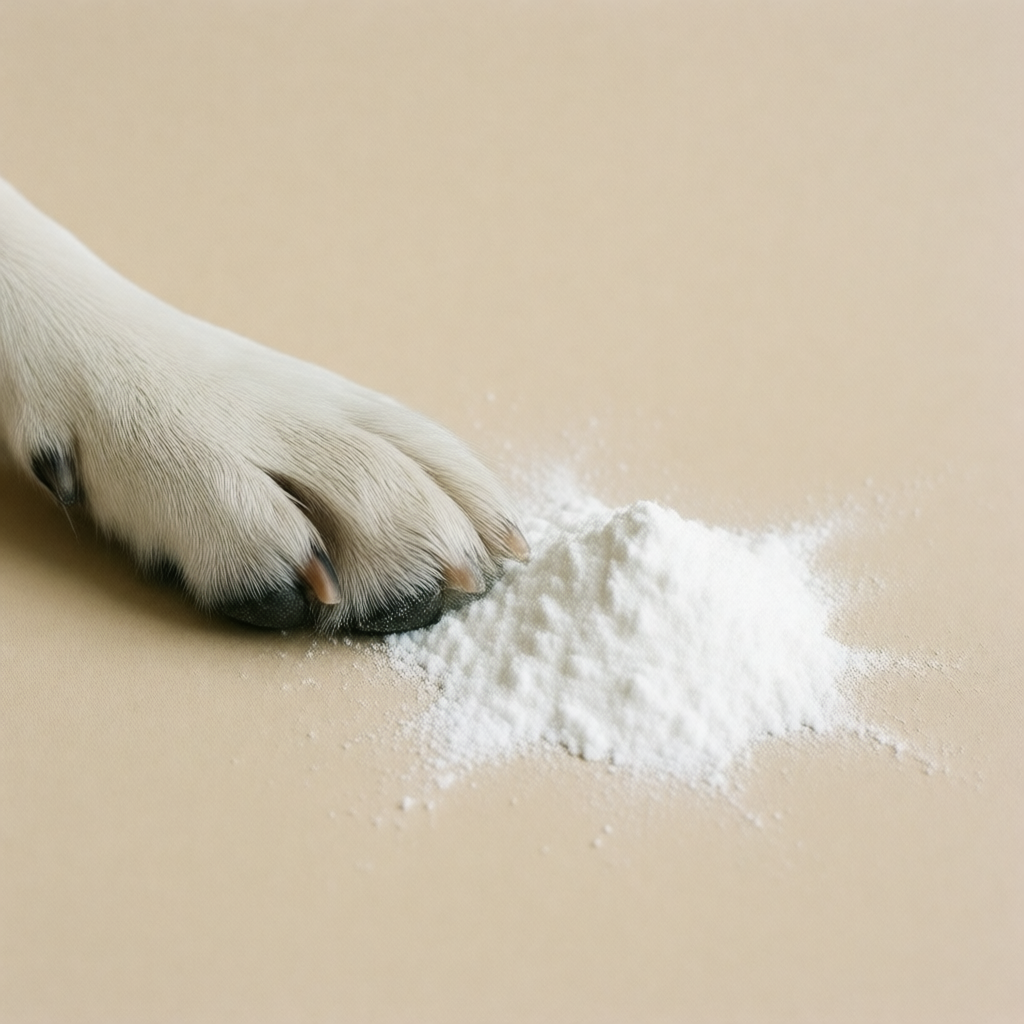
Linear diatomaceous earth is an upgraded natural functional mineral material for chicken coop daily maintenance, providing a chemical-free, long-acting solution for parasite removal, moisture absorption and deodorization. Its unique long-chain through-hole structure brings stronger adsorption and insecticidal performance than ordinary diatomaceous earth, and it has wide application value in padding laying, chicken sand bath and feed auxiliary addition.
Breeders must insist on selecting food-grade linear DE, standardize the spreading operation and implement all safety protection measures to create a dry, clean and parasite-free growth environment for flocks. Regularly observe the health status of chickens and the internal environment of the coop during use, so as to realize safe, efficient and long-term application of linear diatomaceous earth in poultry breeding.

Get in Touch With Matex YG

We're Here To Work For You. Tell Us A Bit About Your Business, Budget, And Growth Goals, And We'll Take It From There.

Thanks for contacting us, we will reply you ASAP.