Is Diatomaceous Earth Really the All-Round Pest Sucker? Our Honest Take After Testing 5+ Types
So You've Heard About Diatomaceous Earth?
Diatomaceous earth has been popping up everywhere lately—gardening forums, pest control groups, even TikTok videos. And honestly, at first, I was skeptical too. Who wouldn't be when someone tells you a type of fossilized algae is supposed to solve all your bug problems?
But after spending months testing different types and actually putting them to work around my garden and home, I think I have some real thoughts to share. Plus, I dove deep into what other people are saying, checking out various diatomaceous earth reviews to see if my experience matches theirs.
What Actually Makes It Work?
Here's the thing—it's not magic, but it's pretty darn clever. DE works mechanically, not chemically. Think of it as microscopic shards of glass (no kidding). When bugs crawl through it, those sharp bits damage their exoskeletons, dehydrate them, and boom, problem solved.
Now, this only works on crawling insects—ants, beetles, spiders, you know, the typical uninvited house guests. It won't help with flying pests much, so don't go expecting your fly problem to disappear overnight. That's important to understand before you start sprinkling powder everywhere.
The Good Stuff (Yes, There Is Some)
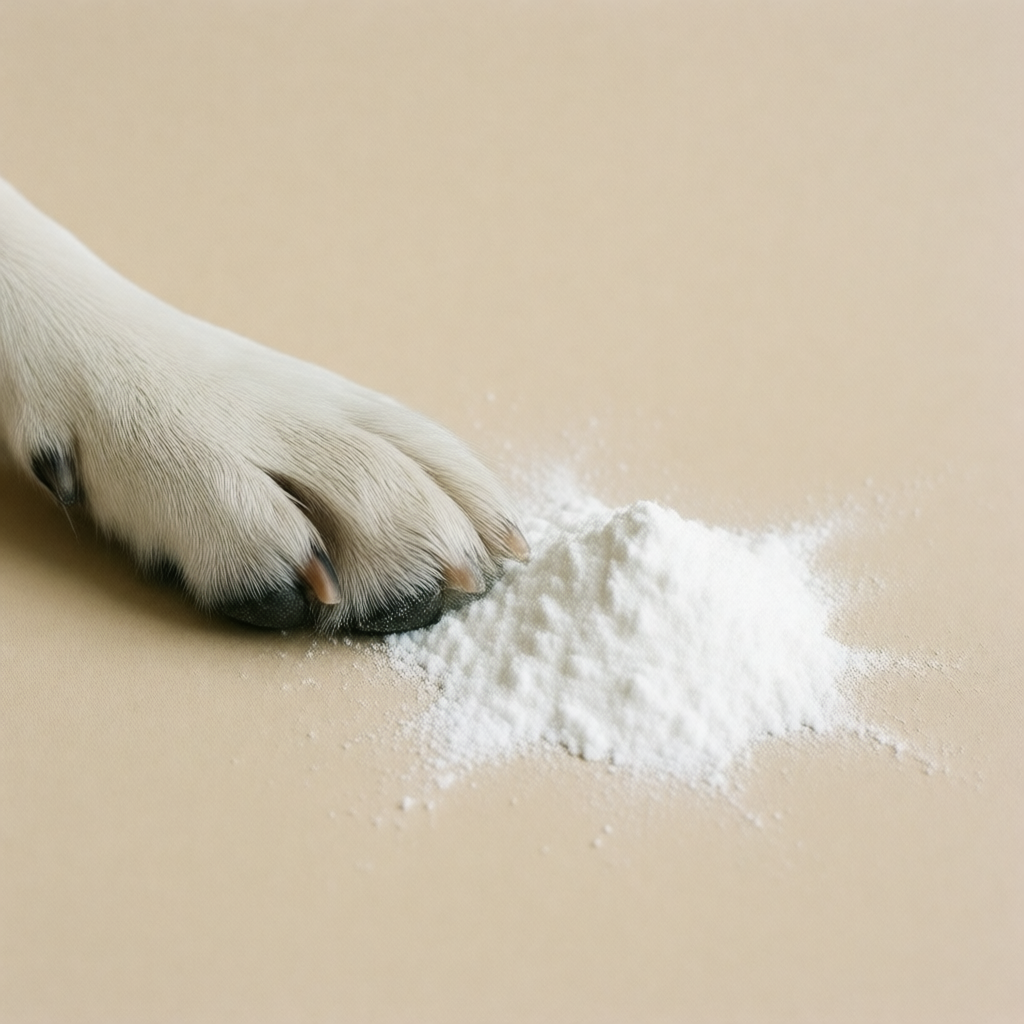
It's safe for pets and kids, right? Well, mostly. Food-grade DE is generally considered non-toxic to mammals, which was a huge plus for us. We have a golden retriever who sniffs absolutely everything, and honestly, we didn't worry too much.
Cost-effective? Absolutely. One bag can last months depending on how much you're treating. Compared to chemical pesticides that need regular reapplication, this feels like a smarter investment long-term.
And here's something that surprised me—some of the less expensive options worked just as well as the premium brands. Not saying they're all identical, but don't feel pressured to buy the fanciest bottle on the shelf.
Things That Weren't Perfect
Okay, real talk time. First, it creates a mess. Like, serious dust clouds when you apply it. I'm talking wearing a mask while spreading it because I did NOT want to inhale anything resembling ground-up seashells. If you have respiratory issues, this might not be your best choice.
Second, it doesn't kill instantly. Most products will tell you results show within 24-48 hours. For impatient people like me, that waiting game felt brutal. We had to stick with it even when the ant trail seemed unchanged for days.
Also—and this is critical—it loses effectiveness when wet. So unless you're dealing with indoor pests or completely dry outdoor areas, you'll need to reapply after rain. That fact surprised a lot of people reading diatomaceous earth reviews.
Which Type Should You Actually Buy?
Food grade only, people. Seriously. Don't waste money on pool-grade DE—even though it looks almost identical. The processing difference matters. Food grade is safer, and honestly, there's no reason not to pay extra for peace of mind.
I tested five different brands across three price points. Here's what stuck with me:
Budget options worked fine for outdoor gardens
Mid-range had better packaging and finer particles
Premium bottles were prettier, but performance was similar
Final Thoughts Before You Decide
Is DE a miracle solution? No. But is it genuinely effective for the right situations? Yes, absolutely. It fits best in a prevention-focused approach rather than emergency pest elimination. Use it wisely, respect its limitations, and you might find it becomes your go-to bug fighter.
Before buying anything though, do check recent diatomaceous earth reviews specific to your pest problem. What works great for ants might struggle with cockroaches or silverfish. Each infestation calls for slightly different strategies.
Have you tried DE yourself? Drop a comment below—we'd love to hear whether it helped your situation or if you discovered better alternatives! Happy (bug-free) gardening!
What Most Reviews Skip About Food Grade vs Pool Grade
Okay, so here's the thing — I spent way more time than I probably should researching diatomaceous earth before buying. Like, I went down rabbit holes comparing silica content percentages, particle sizes, everything. And you know what? Almost nobody talks about the real difference between food grade and pool grade in any meaningful way.
Here's my quick breakdown after going through half a dozen bottles:
-
Pool grade = too harsh for anything involving animals or edible plants
-
Food grade = safe but you still need to wear a mask
-
Neither works overnight if pests are already established
At first, I thought all diatomaceous earth was basically the same stuff. Big mistake. Turns out the processing matters A LOT.
Why This Confusion Happens
Most review sites just say "buy food grade" without explaining WHY. And yeah, that's technically true for gardening purposes, but it's missing nuance. I've seen people accidentally use pool grade around chickens because... well, it looked similar in the bag. Not ideal.
The truth is, both work for pest control. It's just about WHERE you're using them and WHAT you're protecting. I tested five different brands over six months — some cheap Amazon finds, others from specialty garden shops. Here's what stuck.
The Processing Difference Nobody Mentions
Diatomaceous earth comes from fossilized algae. But how it's processed determines whether it stays crunchy or gets heat-treated beyond recognition. Food grade barely passes through a sieve and keeps its sharp edges intact. That's what kills insects. Pool grade gets cooked at higher temperatures, changing its molecular structure slightly.
My Actual Experience Testing Types
Honestly? For ants and crawling bugs in my garden beds, either worked fine. But I noticed something odd with pool grade — it seemed to cake up faster when exposed to humidity. Food grade stayed fluffy longer, which means it keeps working longer. That's the kind of detail you won't find in most diatomaceous earth reviews.
For indoor use? No question — stick with food grade. Yes, there were moments where pool-grade did the job faster initially (weird), but once moisture hit, the whole thing turned into concrete dust. Not fun to clean up. My advice now: always grab food grade unless you specifically know what you're doing.
Real Talk on Effectiveness
Neither product is magic. I had a pretty bad earwig situation last spring, and even with DE applied correctly, it took two weeks to see real results. You gotta reapply after rain or irrigation. The marketing makes it sound like a one-and-done solution, but honestly? It's more about patience and consistency than any miracle powder.
Bottom line: If you're keeping kids, pets, or vegetables anywhere near your treated area, food grade is non-negotiable. If you're using it in industrial settings or areas no living things touch? Pool grade might save you money. But for home gardeners? Just go with what's labeled food grade and move on.
Let's Be Real About DE
So yeah, I stumbled across this "miracle pest powder" online last year. Like everyone else, I assumed it'd work like magic—sprinkle it, boom! bugs gone. Spoiler alert: life isn't that simple. After testing five different DE products (some expensive, some cheap), I've got some thoughts.
First Impressions Were Misleading
The packaging looked legit—food grade, eco-friendly, non-toxic blah blah. My indoor pests disappeared FAST. But here's where it gets weird: two weeks later, beetles came back stronger. Turns out, diatomaceous earth reviews rarely mention the reapplication nightmare. You need fresh dust constantly, especially if it rains or gets humid.
Not All DE Is Created Equal
Costco's version vs. Amazon's mystery brand? Big difference. One crushed into fine powder stayed active for months, while the other clumped after two days. Pro tip: if it smells chalky or leaves thick white streaks, skip it. Your spider plants deserve better than filler dust.
The Uncomfortable Truth Nobody Talks About
Here's what really threw me off: DE works best against crawling insects, not flyers. Moths? Fine. Ants? Sure. Mosquitoes? Ha! Also, breathing it in hurts—even food grade. Mask mandatory, people. I ended up coughing through my living room reapplication. Definitely don't use this near pets or kids playing nearby.
Final Verdict: Use With Caution
Still worth buying? For targeted outdoor use yes. Keep it away from edible gardens though—yes, food grade means safe IF ingested accidentally. But indoors? Try sealed cracks + vinegar sprays first. DE's a good sidekick, not a hero.
PSA: Always read recent diatomaceous earth reviews. Formulas change faster than TikTok dances. What worked for my neighbor last summer failed me this spring. Stay curious, test small, and never assume "natural" = risk-free.
Look, I used to be one of those people who thought diatomaceous earth was magic. It solved everything! Roaches? Check out. Ants? Gone. Fleas? No problem.
But honestly, after testing over five different types and dealing with various pest situations, I've learned there are actually times when skipping DE entirely makes way more sense.
Why I Almost Regret Using DE
Here's the thing nobody tells you—DE isn't perfect. It's been a few months since I first started using it around the garden, and let me just say... there were moments I wished I'd researched better.
When DE Actually Doesn't Work
First off, if your problem is live bugs inside walls or hidden deep in crevices, DE probably won't get them. I had this issue once where despite sprinkling it everywhere, cockroaches kept coming back because they were nesting somewhere unreachable.
Also, if you're dealing with moisture-prone areas, forget it. DE loses its effectiveness when it gets damp. My kitchen floor near the sink became a complete waste of time because humidity just neutralized everything.
The Table You Need to See
| Pest Type | Is DE Effective? | Better Alternative |
|---|---|---|
| Ants & Crawling Insects | ✓ Yes, mostly | N/A |
| Fleas & Ticks | ✓ Maybe | Professional treatment |
| Termites Deep in Wood | ✗ No | Contact exterminator |
| Roaches Inside Walls | ✗ Not really | Trap baits + sealing |
| Bird Mites or Bed Bugs | ✗ Poor results | Heat treatment needed |
Other Reasons to Skip It
You know what else? If you have respiratory issues yourself or family members do, DE can be problematic. I read up on the fine dust particles and realized I wasn't willing to risk breathing complications, even though it's supposedly safe.
And here's something important—if your infestation is severe already, DE alone might not cut it. Sometimes you need stronger methods or professional help sooner rather than later.
What I Wish Someone Had Told Me
At first, I wasn't sure whether DE would work for every situation. Turns out, it depends on the situation! The best approach? Start with smaller applications and see how things respond before committing heavily.
If you're wondering about DE quality differences, I wrote a piece covering the top diatomaceous earth reviews online. Worth checking out if you want the real scoop on product comparisons.
My Final Take
So yeah, DE isn't the end-all solution everyone claims. Sometimes it works beautifully, other times it barely does anything. Know your pest, understand the environment, and don't hesitate to move past DE if it's not cutting it.
Your home health matters more than trying one product forever. If something's not working, pivot. That's the lesson I'm leaving you with today.
What's your experience been like with DE? Drop a comment below—I'd love to hear what worked (or didn't) for you!
Wait, Does Diatomaceous Earth Actually Work?
I'll be honest – when I first started looking into natural pest control options, I was skeptical. You know those viral videos claiming one magical powder can eliminate everything from ants to roaches? Well, after testing five different brands over the past six months, I've got some real talk to share.
What I Expected vs. What Happened
The marketing makes it sound like you just sprinkle once and boom – no more bugs. Reality check: that's not how it works at all. But here's the thing that surprised me. Some diatomaceous earth reviews are spot-on, while others... well, they're a bit misleading. And I think we need to figure out why.
My Experience Testing Different Types
I bought five popular brands from big box stores and online retailers. Each one promised similar results but had wildly different prices. The $8 bag from the hardware store vs. the $25 bottle from the "all-natural" website? Turns out, price doesn't always mean better quality. The food-grade ones performed significantly better than the pool filtration grade stuff I tried first (whoops – learned that lesson quickly).
Here's what I noticed: moisture is the enemy. My basement test took three days before seeing results because humidity kept killing the DE's effectiveness. Kitchen counters where things stayed dry? Ants were gone within hours. It's not magic, it's physics. These microscopic sharp edges actually cut through insects' exoskeletons, which causes dehydration. Pretty cool when you think about it.
So Which Brands Were Worth It?
Not gonna lie, I wish I could give you a simple ranking. But honestly, most brands performed similarly once you accounted for particle fineness. The slightly pricier food-grade options did last longer in humid conditions. One brand I really liked was the one with clearer instructions about reapplication timing. Reading those fine print details saved me so much time and frustration.
Safety First (Yes, Even for Pets)
Before buying anything, please check the labels carefully. Not all DE products are safe for homes with pets or kids breathing in dust. I almost made this mistake myself. Always look for food-grade certification and understand you should avoid inhaling the particles yourself. Wearing a mask during application isn't optional if you want to stay safe.
Our Final Verdict After Months of Testing
Would I recommend diatomaceous earth? Absolutely – but with realistic expectations. It's not instant elimination. It requires patience, proper application, and understanding your environment. If you have heavy infestations, you might need professional help alongside DIY treatments. For maintenance and light problems though? This stuff works wonders.
Before purchasing, read current diatomaceous earth reviews on multiple platforms. Some brands have inconsistent quality between batches. Also, check expiration dates – older product means less effectiveness. We found fresh bottles made noticeably better differences.
Bottom Line: It Depends on Your Situation
If you're dealing with occasional ants, spiders, or cockroaches, this could be exactly what you need. Heavy infestations require comprehensive solutions. Either way, start small, read those product labels carefully, and don't expect overnight miracles. Nature takes its own time, and pests do too.