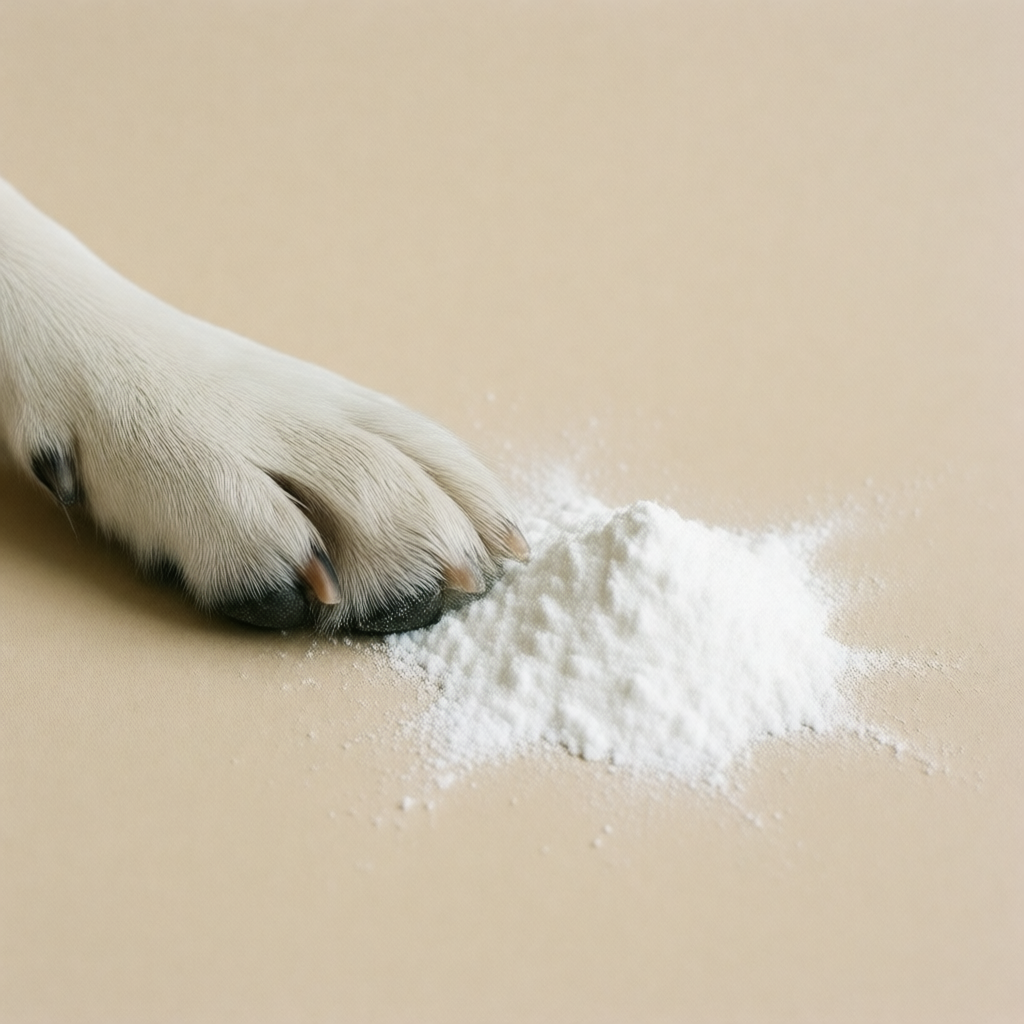
Safe Application Guide of Linear Diatomaceous Earth for Chicken Coops
Linear diatomaceous earth (linear DE) is a high-performance natural porous mineral that has become a premium choice for poultry farmers for long-lasting pest removal, humidity regulation and coop deodorization. This detailed guide elaborates on the application value, standardized operation methods and critical safety guidelines of linear diatomaceous earth in breeding chicken coops.
What is Diatomaceous Earth?
Linear diatomaceous earth is fine powder made from fossilized linear algae remains formed by ancient freshwater sedimentation. After millions of years of geological deposition, linear algae with long hollow cylindrical siliceous shells accumulated and mineralized into high-purity silicon-rich ore deposits. The ore is crushed, washed, graded and finely ground to form linear diatomaceous earth powder with unique chain-through pore channels.
There are two core grades of linear diatomaceous earth for market application: Food-Grade Linear DE: High-purity raw material with low iron oxide and few clay impurities, free of harmful chemical additives. It meets animal breeding and feed auxiliary standards, widely applied in coop deinsectization, moisture absorption and feed addition. Industrial Calcined Linear DE: Produced by high-temperature flux calcination, mainly used for industrial filtration, waste gas adsorption. It has sharpened shell fragments and excessive fine dust, forbidden to be used around poultry and livestock.
Only food-grade linear diatomaceous earth is suitable for chicken raising. Its regular long tubular pore structure brings stronger adsorption capacity than ordinary disk-type diatomite, with milder physical insecticidal effect and higher breeding safety.
Benefits of Using Diatomaceous Earth in Chicken Coops
Pest Control:
Linear DE powder acts as a physical natural insect repellent. The slender cylindrical algae shell has tiny sharp edges, which can scratch the outer cuticle of mites, chicken lice, fleas, ticks and other parasites, leading to rapid water loss and death of pests. The whole insect-killing process relies purely on physical friction, without chemical residues, and pests cannot produce drug resistance after long-term use.
Compared with ordinary diatomaceous earth, linear DE has longer continuous pore channels, which can attach to the surface of pests for a longer time, and the insect repellent durability is significantly improved.
Odor Control:
Chicken manure continuously releases ammonia gas to produce pungent odor. Linear diatomaceous earth has ultra-high pore volume and strong moisture absorption capacity, which can lock water in manure, inhibit ammonia volatilization, neutralize peculiar smell, reduce respiratory irritation of chickens and breeders, and optimize the air environment in the coop.
Moisture Control:
Wet padding is the hotbed for bacteria, fungi and parasitic oviposition. Linear DE quickly absorbs excess water in the padding, keeps the coop floor dry all the time, suppresses mold breeding, and cuts off the living environment of harmful microorganisms.
Improved Coop Hygiene:
Regular laying of linear diatomaceous earth can reduce the reproduction of parasites and harmful bacteria, lower the incidence of chicken skin diseases and respiratory diseases, simplify daily cleaning work of the coop, and realize long-term stable sanitation maintenance.
Parasite Prevention for Chickens
Mixed into dry sand to make chicken dust bath, chickens will take the initiative to roll and rub feathers. Linear DE adheres evenly to the feather roots and skin surface to repel external parasites and prevent large-scale mite infestation.
How to Apply Diatomaceous Earth in Chicken Coops
1.Preparation:
Completely clean the chicken coop before use. Remove old padding, accumulated manure and sundries. Scrub nesting boxes, perches and ground gaps thoroughly to clear existing pest populations and complete basic disinfection.
2.Application of DE Powder:
Bedding and Nesting Areas: Lightly sprinkle a thin layer of DE powder for chickens over the bedding and nesting boxes. Ensure that the layer is even but not excessive to avoid dust accumulation.
Dust Bath: Create a dust bath by mixing DE with dry sand, ash, or soil. This allows chickens to naturally dust themselves, which helps prevent mite and lice infestations. The dust bath should be located in a shaded, dry area of the coop.
Feather Application: Wearing a dust mask and gloves, gently dust the chickens’ feathers with DE, focusing on areas prone to parasites such as under the wings and around the vent. Avoid direct contact with the eyes, nose, and mouth of both chickens and handlers.
3.Reapplication:
Reapply DE every two to three weeks or after heavy cleaning. Monitor the coop for signs of pests, moisture buildup, or odor and adjust the application frequency accordingly.
Safety Precautions When Using Diatomaceous Earth
Use Food-Grade DE Only: Pool-grade DE is chemically treated and unsafe for animal use. Always verify the product label to ensure it is food-grade and safe for poultry.
Protective Gear: Wear a dust mask, gloves, and goggles when handling DE to prevent inhalation and eye irritation. DE particles are abrasive and can cause respiratory discomfort if inhaled in large quantities.
Ventilation: Apply DE in well-ventilated areas to reduce airborne dust particles and maintain air quality within the coop.
Avoid Overuse: While DE is effective, excessive application can lead to respiratory issues in chickens. Apply sparingly and avoid creating large dust clouds.
Common Questions About Diatomaceous Earth for Chickens
1. Can I mix DE with chicken feed?
Yes, food-grade DE can be mixed with chicken feed as a natural dewormer. However, consult with a veterinarian to determine the appropriate dosage and frequency to avoid potential health risks.
2. How often should I apply DE in the chicken coop?
The application frequency depends on pest activity, moisture levels, and coop conditions. As a general guideline, reapply DE every two to three weeks, especially after cleaning or heavy rain.
3. Is DE safe for baby chicks?
DE can be used around baby chicks, but caution is necessary to prevent respiratory irritation. Apply lightly to bedding and avoid direct contact with chicks’ skin. Monitor chicks closely for any signs of discomfort or respiratory distress.
4. Can DE be used in organic farming?
Yes, food-grade DE is permitted in organic farming as a natural pest control agent. It is a non-toxic alternative to synthetic pesticides and is widely used in organic poultry management.
Conclusion
Diatomaceous earth is a valuable addition to chicken coop maintenance, offering a natural, chemical-free way to control pests, reduce odor, and maintain a cleaner living environment. Its versatility in pest control, moisture management, and odor reduction makes it a must-have for poultry keepers. By following proper application methods and safety precautions, poultry owners can effectively use DE to protect their chickens while promoting overall coop health. As with any treatment, it is essential to use food-grade DE and monitor both the flock and coop environment to ensure safe and effective use.