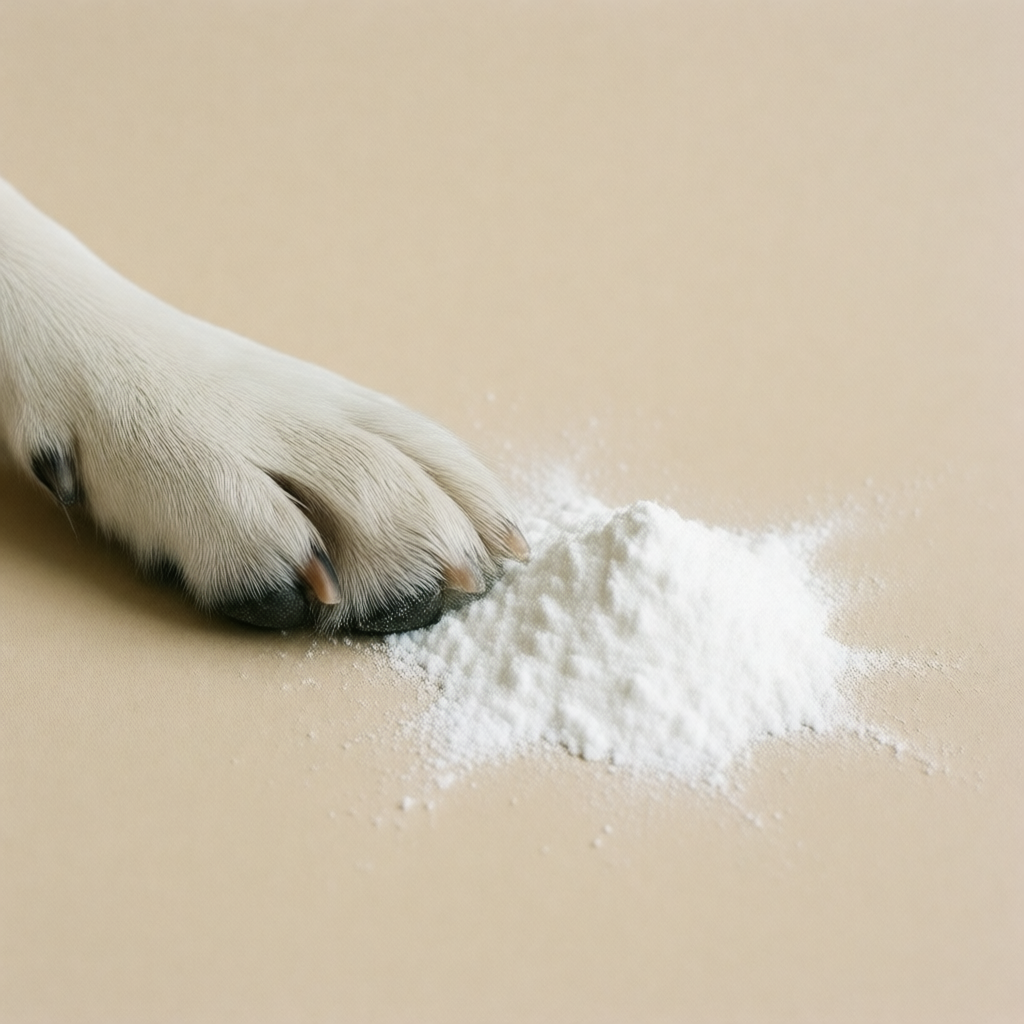
We stopped using flea chemicals after this discovery
What Happened With Our Flea Treatments?
You know that feeling? When something that used to work perfectly just... stops? That's exactly where we found ourselves last year with our pet's flea prevention.
At first, it seemed fine. We'd give the drops, do everything by the book, and our dog would stay protected. But here's what caught us off guard:
-
The products kept getting more expensive
-
Fleas started coming back sooner each time
-
Our pup had more skin irritation than before
We were spending hundreds every few months and somehow less effective at protecting him. It didn't make sense, did it?
Why Do These Products Lose Their Punch?
So we started asking questions. Really asked them, like you should when your wallet keeps bleeding money for the same problem. Turns out, there are a few things we hadn't considered.
Resistance builds up. Fleas aren't stupid, okay? They're tiny pests, but they multiply fast. And when you spray the same chemical over and over in your yard, treat your pet with the same formula month after month... guess what develops? Yep. Resistance.
It's kind of like antibiotics, right? You use the same one too much, your body fights back harder next time. Same goes for our furry friends' little uninvited guests.
The Chemical Trap We Fell Into
Here's what really stung us when we discovered it. Most of these commercial flea treatments rely on neurotoxins that wear down their effectiveness over time. We were paying full price for increasingly weak protection. That's a hard pill to swallow.
But also—our gut told us something felt off. Not just financially. Like, *personally* off. I mean, if we weren't comfortable enough letting it sit near our dog long-term, should we really be trusting it completely?
The Pivot That Changed Everything
That's when we stumbled onto diatomaceous earth. Natural. Non-toxic. And honestly? A bit messy at first application. But man, it worked differently.
Unlike chemicals that kill by attacking the nervous system, food-grade diatomaceous earth works physically. It dehydrates those little critters through micro-fractures on their bodies. Pretty genius, if you ask me.
And no, our dog doesn't hate us for it. He actually seems way calmer now that the constant scratching has mostly disappeared. Less irritation means better sleep for both of us, let me tell you that.
Should You Try This Too?
Look, I'm not telling everyone to ditch their vet immediately. Always consult professionals before switching approaches. But if you've been wondering if there's another way? Maybe you're ready to give natural options a shot?
If you're curious, buy diatomaceous earth for fleas and test it out slowly. Start small. See how your pet responds. Track how many fleas show up week to week. Honestly, seeing improvement without chemicals was worth the slight inconvenience for us.
The Bottom Line From Our Experience
Sometimes the solution isn't stronger—it's different. What works for one situation might not work forever. Fleas adapt. Markets change. And your wallet deserves a break from subscription-style pest problems.
For us, finding a treatment that actually stayed consistent, plus not worrying about harsh chemicals in our home? That's peace of mind worth exploring. Whether that's our choice or yours, hopefully you find something that lasts longer than a dollar store candle!
Where You'll Actually Find Real Diatomaceous Earth
I remember sitting on our porch last summer, watching those tiny black dots crawl all over the dog's fur. My heart sank. We'd been using the usual chemical flea treatments every month—expensive, smelly stuff that made me wonder if we were actually helping or just poisoning everything.
Then came the conversation
A friend mentioned something she'd heard online. Some kind of powder made from... shells? Fossilized algae? The name slipped my mind at first. But it sounded harmless. She said she'd stopped using chemicals after switching to it. I almost laughed. Another "miracle cure," I thought.
But here's the thing—we've wasted so much money on these chemical products already. Maybe there was something out there that actually worked without making us feel like guinea pigs.
The search turned up nothing obvious
First stop? The local pet store. "Diatomaceous earth?" they repeated. "Oh yeah, we sell that." And sure enough, there was a bag right there. But when I asked the employee what exactly it was, she shrugged. Turns out it wasn't food grade—it was pool-grade, full of chemicals themselves. That was our first real clue that maybe we couldn't trust just anywhere.
You'd be surprised where to look
After that, I started digging into forums and reading ingredient lists like a crazy person. What do you know? Real diatomaceous earth is food grade, and it's sold in surprising places. Garden stores (for pest control), health food shops (for digestion), even some agricultural supply companies.
Here's what I learned quickly: buy diatomaceous earth for fleas online has become super easy, but the label matters. Huge difference between "food grade" and other varieties. Don't skip reading the fine print.
Our results were honestly shocking
We tried it on the cat first—tiny amount on her collar area. No immediate change, but within three days the crawling slowed down. By week two? Barely any fleas showed up. We kept treating the bedding, the carpet corners—the usual flea hangouts. Nothing chemical, no scary fumes, just white powder doing its job.
Now both pets are clear. Not because I became an expert overnight, but because the product finally worked the way it should. No more monthly chemical battles, no more wondering if we're doing more harm than good.
What I wish I knew sooner
If you're reading this and considering switching too, here's my quick advice: check that it says "food grade" on the front. Ask at garden centers rather than pet stores. Read reviews from people who actually use it on animals. And don't expect overnight miracles—it works gradually.
Still curious? Look for reputable sellers online who specialize in natural pest control. The internet can actually help you find quality products when you know what you're looking for. Just don't buy the cheapest option available—sometimes cheap means cheap quality.
Bottom line? Sometimes the simplest solutions are the ones we overlook because they sound too good to be true. Now I'm the one telling friends about how we found our own peace—and got rid of the fleas along the way.
Our Flea-Fight Journey
I’ll never forget the night our dog came inside covered in red bumps after the yard walk. We’d been slathering on those store-bought flea products, right? But something felt… off. The labels always talked about “active ingredients” like they were doing us a favor. Turns out, we were poisoning ourselves for convenience.
My sister-in-law mentioned powders when we complained about pet skin reactions. “Just try buy diatomaceous earth for fleas,” she said. Skeptical? Absolutely. But desperate parents don’t stay that way long.
Why Chemicals Bothered Us
See, flea meds smell like chemicals hit the nose hard. They leave white residue on fur. And reading ingredient lists makes your brain hurt. One product said it contained something that killed adult fleas in minutes… by burning their exoskeletons. Was that gentle? Probably not.
The worst part? Watching our cat sniff around after treatment and cough afterward. No thanks. We wanted peace for her—and ourselves.
What Even Is This Powder?
Diatomaceous earth (DE) sounds scary but it’s basically fossilized algae. Think of tiny sharp shards that mess up insects’ bodies. But not mammals—our thick skin protects us. It’s physical pest control versus chemical warfare.
We got food-grade stuff because industrial DE has additives meant for pools. Big difference! The bag said:
Apply around bedding and carpets
Let sit overnight, vacuum next morning
Repeat weekly during infestations
Simple enough, right? But wait—the package warned about breathing dust. That caught us off guard. Masks became mandatory.
Does It Actually Work?
First week was rougher than expected. Fleas weren’t vanishing overnight. But by day ten? Progress! Fewer scratching episodes. By month two, zero visible fleas. Still, we stayed vigilant.
Neighbors asked what we tried. Now half the block uses DE. Funny how neighbors become allies over pest control struggles.
Where to Get Reliable DE
Online shopping helped, but check certifications! Food-grade, silica-free. Amazon had decent options, but local hardware stores sometimes carry bulk packs cheaper. Pro tip: Search “food grade” before adding to cart.
Price varies wildly. Cheap versions often contain impurities. Pay extra for purity when safety’s involved.
One Last Thing
Not perfect for everyone. Allergies happen. Dryness occurs if overused. But compared to synthetic poisons? We’re convinced now. If you’re reading this while researching, hope it helps save cash AND peace of mind.
Our Journey Away from Chemical Flea Treatments
Honestly, I never thought I'd ditch chemical flea products entirely. But after seeing my dog scratch so much even with monthly pills, I started digging deeper. Turns out, there's a safer option lurking in our garden sheds.
The Diatomaceous Earth Realization
That "aha!" moment came when I stumbled over diatomaceous earth (DE) while researching alternatives. It's basically fossilized algae ground into powder—natural, non-toxic, and works mechanically against fleas instead of poisoning them. At first, I wasn't sure: Could something so simple actually work?
-
Safe around kids and pets once applied correctly
-
Fleas can't develop resistance
-
Works on multiple pests (cockroaches, mites, too!)
The kicker? You can buy diatomaceous earth for fleas cheaply online now. I ordered food-grade DE (never industrial stuff!) and sprinkled it lightly on carpets before vacuuming. Within a week, the scratching reduced noticeably.
| Method | Pros | Cons |
|---|---|---|
| Flea Chemicals | Fast results | Potential allergies, toxic if ingested |
| Diatomaceous Earth | Natural, long-term control | Takes time, needs reapplication |
Tips That Actually Helped Us
We mix DE with baking soda for better coverage and leave it overnight. Pro tip: Wear a mask while applying—it's fine once settled, but breathing dust isn't fun. Also, wash pet bedding weekly in hot water to break the cycle.
Is it perfect? Not really. During heavy infestations, we still use spot treatments cautiously. But for maintenance? DE alone handles 90% of issues now. Plus, no more worries about chemical residue on their fur after baths.
Still hesitant? Try DE in low-traffic areas first. If your pup tolerates it, expand gradually. Remember: Less toxin exposure = happier dogs (and humans!). Now I tell everyone at the park to consider this switch.