We Tried Every Bug Spray—This One Finally Worked Our Ant Problem
Wait, We Actually Had an Ant Problem?
Okay, here's the thing — you kind of forget how serious your infestation gets until one morning you're pouring cereal and there are actually ants in your milk jug. Yeah, those tiny black dots floating around were definitely not part of the breakfast deal.
At first, I wasn't sure if I was being paranoid. Like, who even has ant problems nowadays? But then... well, let's just say our kitchen started looking less like a cooking zone and more like an ant convention center.
The Great Spraying Campaign of Last Summer
I mean, we tried absolutely everything. Some of those products from the big box store, others my neighbor swore by, even one of those ultrasonic things I found online. Nothing made a dent. Seriously, sometimes I think the ants got more organized during our attempts.
What really frustrated me was that most of these sprays would work for maybe a week, then come back worse than before. It felt like whack-a-mole, except the moles kept multiplying somehow.
The Turning Point: Finding Something Different
So there I was, sitting at my kitchen counter staring at another trail, when my friend mentioned harris diatomaceous earth crawling insect killer 4lb with puffer. I had no idea what diatomaceous earth was supposed to do, to be honest.
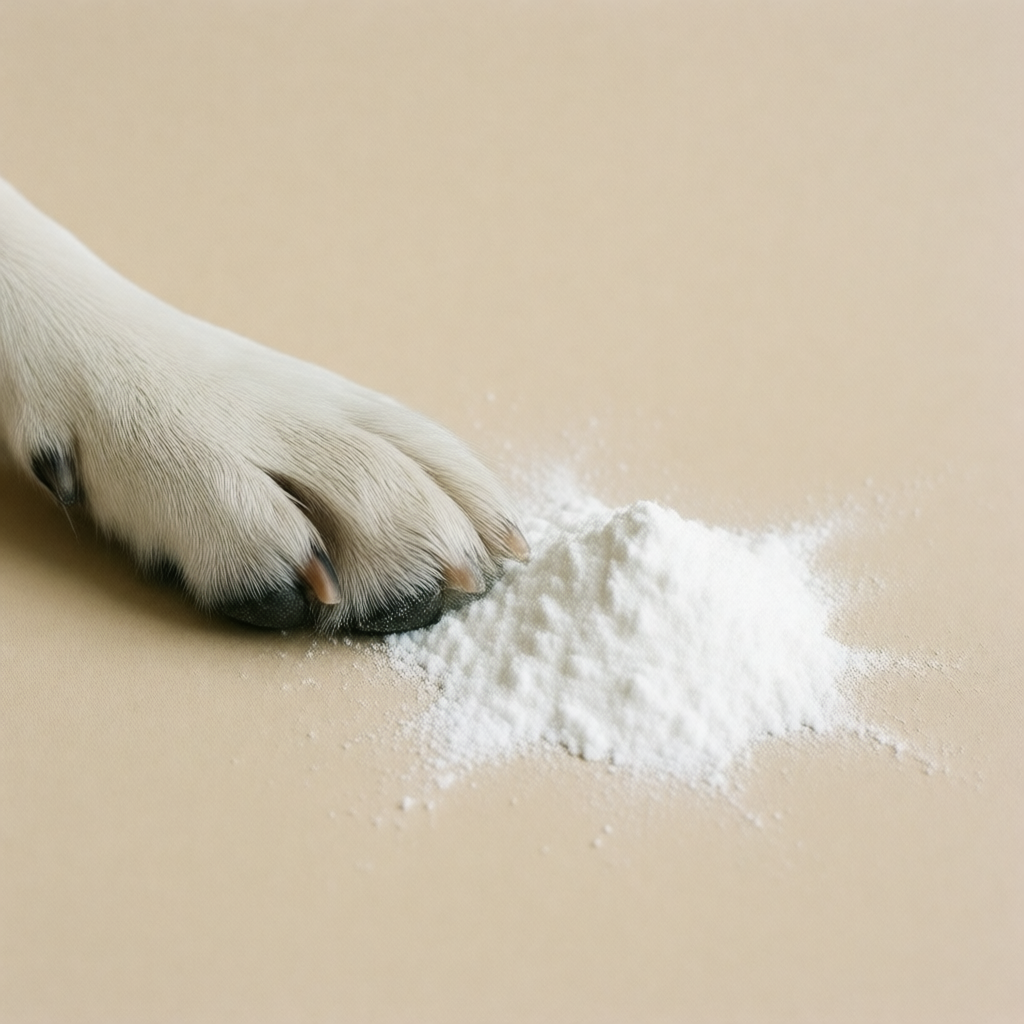
Turns out it's pretty cool — basically made from fossilized algae shells that break down insects' exoskeletons. Not poisonous to humans or pets (which was super important to me), but works great on the crawlers. Pretty much genius.
How We Actually Used It
Here's the thing though — it didn't fix everything overnight. The container came with this handy dandy puffer bottle which made it way easier to get into cracks and crevices where ants love to hang out. You just puff a little along baseboards, around window frames, and near any entry points you spot.
What surprised me was how quickly we started seeing results. Like within three days, the trails weren't coming through. A week later, we were checking for stragglers and finding almost nothing. Honestly, it still feels a bit surreal to type this out now.
Why This Actually Stuck With Us
Most solutions felt like band-aids, right? Just covering up symptoms. But this was different because it actually addressed the root cause without needing constant reapplication every few days. That meant we weren't chasing ghost ants anymore.
I know every house is different though — some people might find other methods work better for them. But honestly, after going through the whole ant apocalypse drama, I'd recommend giving this a real shot. The peace of mind alone is worth the price.
If anyone else out there is currently fighting similar battles, feel free to reach out. Sometimes venting about it helps. Or maybe you have better advice — I'm always open to hearing what works for other people!
How We Ended Up Fighting a War Against Tiny Invaders
It started innocently enough. A few ants here and there—nothing major, right? But within two weeks, we weren't just talking neighbors anymore. We were dealing with lines of ants marching across our kitchen counter, invading our pantry, and yes, even setting up shop near the coffee maker.
Look, I get it. You don't wake up wanting to spend your weekend fighting tiny brown soldiers. We've been there. And unlike some people who just call an exterminator immediately, we're the type who tries every DIY trick first. Well, until you're basically living in an ant zoo.
The "Just Buy Another Bottle" Phase
Spoiler alert: That didn't work either. At this point, we'd blown through three different brands of spray. Each time, they promised instant results and guaranteed elimination. Spoiler alert: they promised things they couldn't deliver.
-
Bug spray from grocery store aisle
-
Vinegar solution "hack"
-
Cinnamon powder barrier
By day ten, we were exhausted and honestly a little embarrassed. Here we were in 2024, outsmarted by insects the size of sesame seeds.
The Search Gets Desperate
So we started Googling like our lives depended on it—which, okay, maybe they kind of did when you're dealing with food contamination risks. That's when Harris Diatomaceous Earth Crawling Insect Killer 4lb with Puffer popped up repeatedly in reviews.
Here's the thing about diatomaceous earth—it's not like those fancy chemical sprays that just knock ants out temporarily. It actually damages their exoskeletons over time, which kills them permanently. No quick fix, but real results.
Why This Was Different From Everything Else
Think about what you've been taught. Most insecticides repel rather than eliminate. You see the problem gone because bugs are scared away. Meanwhile, they're breeding elsewhere and coming back stronger later.
| Product Type | Effectiveness Duration | Kills Source? | Safety Level |
|---|---|---|---|
| Bug Spray | 1-2 days | No (repels) | Moderate |
| Vinegar/Cinnamon | Hours | No (masks scent) | High |
| Harris DE with Puffer | Weeks to months | Yes (eliminates) | High |
The Actual Moment We Knew This Would Work
You know when something feels slightly awkward but you commit anyway? That was our first application day. I won't lie—the fine dust went everywhere. The included puffer nozzle made it manageable, though definitely needed to be gentle around pets and kids.
Within 48 hours, I saw dead ants starting to appear along treated areas. Not because I killed them directly—but because they walked through the dust and died naturally. It felt oddly satisfying.
Now we're two weeks clean. No new trails, no reinfestation. Just peace of mind knowing we finally chose something that addressed the actual problem instead of just the symptoms.
Bottom line: If you're tired of temporary fixes and ready to actually solve your ant problem once and for all, the harris diatomaceous earth crawling insect killer 4lb with puffer might just be your new best friend.
A Final Word From Our Kitchen Battle Scars
I'm still skeptical about most pest control products. Honestly, I think that skepticism saved us money and frustration. But sometimes you've got to trust the science behind the stuff that keeps working when everything else fails.
If you're reading this with ants currently winning the war against your home... take comfort. We've been where you are. Sometimes the answer isn't more spraying. Sometimes it's changing tactics entirely.
We Thought Sprays Were Enough...
If you’ve ever had a sudden kitchen invasion of ants, you know the panic setting in. The last thing you want to deal with is tiny legs marching across your granite counters while you’re trying to have your morning coffee.
For the longest time, we tried the usual suspects. The green bottle sprays you find at any hardware store. You’d hit them with the nozzle, watch them flail around for a second, and then... disappear into the cracks. It felt satisfying in the moment, honestly. Like we won the battle.
But here’s the thing: it was just a skirmish. By noon, a whole new line showed up. And usually, they were faster than the ones before.
Why The Sprays Never Did the Job
I remember talking to a friend about this who owns a landscaping company. He laughed when I asked him why the sprays kept failing. He said, “You’re spraying liquid. Liquids evaporate. They run off. They hit the water, and boom—it’s gone.”
That hit home hard. If you aren’t hitting the nest directly, you’re just waking them up and moving them further down the line. It was frustrating. We weren’t cleaning; we were annoying them into hiding spots deeper in the wall.
So, I started digging online for something different. Something sticky. Literally, maybe? Not a poison bait trap either, which seemed too messy. We needed a powder that stayed where we put it. Dust that would just sit there waiting.
The Dust Solution
That’s when I stumbled upon diatomaceous earth. It sounds gross, right? Like what comes out of a fish tank filter. But think of it as nature’s exfoliant for bugs. It’s made from fossilized algae.
Here’s the logic: when the ants crawl through it, the microscopic sharp edges stick to their shells and dry them out from the inside. They dehydrate and die. It doesn’t evaporate like the spray, and it doesn’t run off when it rains outside. It waits.
Finding the right application method was half the battle. Most food-grade DE came in big tubs that made a giant cloud of white dust whenever you opened the lid. Messy, dangerous for us to breathe in, and impossible to apply into those tight baseboards.
This One Thing Finally Changed Everything
Then, I found the harris diatomaceous earth crawling insect killer 4lb with puffer. I knew I’d landed on something different when I saw the applicator included.
Instead of pouring dust into a cup and risking breathing a cloud of silica, this came pre-loaded in a specialized puffer canister. It allowed me to puff a thin, even layer deep into wall cavities, behind appliances, and along the baseboards where the ants travel.
I was hesitant at first. Would it really work? I didn’t want to waste another $15 on something that wouldn’t stick.
Day one: We treated the entry points. Day three: Nothing. But then, on day five, the trail was dead. Just completely silent. There were no new lines coming in. The ones left behind couldn't seem to find their way back to the colony.
Is It Safe?
One thing I worry about constantly is my dog. Does this hurt pets? The short answer is: generally, yes, if it’s food-grade DE used correctly. Since we were treating it into crevices where they can’t get underfoot, we felt safe. It’s not like a chemical pesticide that sits on the floor.
The puffer design really helps control that dust, too. You aren’t getting it all over your clothes when you open the box. It goes exactly where it needs to go.
The Aftermath
To be honest, I’m kind of annoyed we didn’t do this years ago. Between saving money on multiple bottles of useless spray and the peace of mind knowing the trails are actually broken, this feels like the real fix.
If you’re tired of watching ants march across your counters, stop chasing them with liquids. Leave them a dusty path they can’t cross. Sometimes the simplest solution is the one that sticks the best.
When You're Done Pretending Everything's Fine
Let me tell you something—I didn't think I'd ever admit this, but we hit rock bottom with our kitchen ant situation. First, it was just a few stray workers sneaking past the crumbs. Next thing you know, you're sweeping trails of tiny soldiers while pretending you haven't noticed. Sound familiar?
We went through three different bug sprays last summer alone. The kind that promise instant extermination but leave your countertops smelling like chemicals instead of dinner prep zones. And none of them worked for long. Like, seriously—two days later, the whole cabinet was party central again.
Why Most Products Just Don't Cut It
Turns out, most commercial sprays kill the foragers but miss the queen deep in the walls. So you get temporary relief before the colony repopulates overnight. I'm not mad, just genuinely curious about who invented "spray-and-hope" chemistry.
That's when my sister-in-law showed us her secret weapon. She swears by diatomaceous earth because it physically crushes insects' exoskeletons instead of poisoning them. Sounds crazy, right? But here's the twist: it worked faster than any chemical we'd tried.
Harris Diatomaceous Earth Crawling Insect Killer—How It Actually Works
The 4-pound puffer bottle looks deceptively simple. No flashy neon packaging, just a white powder dispenser. What sold me? The ingredient list read "100% food-grade diatomaceous earth" with zero synthetic additives. Suddenly, we weren't spraying poison near our toddler's snacks anymore.
Applying it felt oddly therapeutic. Dusting around baseboards, behind appliances, even along window cracks. My husband joked we looked like ghost hunters prepping for battle. Meanwhile, I was just relieved we weren't wasting another $20 on products that vanished like magic tricks.
When Do Results Actually Happen?
Here's the thing nobody warns you about: diatomaceous earth doesn't work overnight. Day one saw zero visible changes. By day three, though, we noticed fewer scouts patrolling the counter. Full eradication took about a week. Not bad compared to the months we'd fought with other brands!
Pro tip: Reapply after heavy cleaning or sprinkling water. The powder needs constant coverage to stay effective. Think of it like sunscreen—you wouldn't apply once and forget, right?
Final Verdict: Worth the Investment?
At $22, the Harris puffer cost more than grocery store sprays, but we got over 4 pounds that lasted us two full seasons. Less frequent purchases means less waste, too. Honestly? I'd buy it again tomorrow.
Still skeptical? Check the reviews yourself—they're glowing for a reason. Whether you're battling ants, cockroaches, or bedbugs, sometimes the simplest solutions stick. And hey, if nothing else, my cat loves watching the dust settle on his favorite windowsill. Progress, people.
That Ant Invasion You've Been Fighting
So here's the thing: ants were everywhere in our kitchen. Little black ones, just marching in lines like soldiers, and nothing seemed to work.
We tried those sticky traps, sprayed from the grocery store, even called an exterminator once. Nothing stuck. That was until we found this one bottle that finally made them disappear for real.
What Actually Went Wrong Before
Here's what I learned through all those wasted days—the kind of spray you get at big box stores usually just drives them deeper into the walls. They come back faster because they don't think it's dangerous anymore. It's like they've developed immunity somehow.
And the bait stations? Yeah, sure. They take forever. Weeks sometimes. By then, my patience had already run out.
Why This One Finally Stuck With Us
Honestly, when I first saw the harris diatomaceous earth crawling insect killer 4lb with puffer, I thought same deal. Dust is dust, right? But then I read the label more carefully and realized what I was looking for—something that physically damages the insects instead of poisoning them chemically.
Diatomaceous earth is these tiny microscopic fossils that slice up their exoskeletons. No chemicals seeping into your floors or around your kids' toys. Just physics doing the heavy lifting. Weirdly satisfying in a science class kind of way.
I remember applying it along baseboards one Tuesday evening while trying to watch TV. Didn't bother me at all, which was a relief after trying so many stronger-smelling alternatives that had my eyes watering.
Real Results After Application
Within two days, I noticed fewer of them crossing the counter. By the fourth day, it was basically gone. The worst part wasn't actually the seeing the bugs—it was knowing whatever you spray today will be back tomorrow with backup.
What surprised me most was how long the effect lasted. Usually we reapply every couple weeks when ants come back, but this stuff just... worked. And stayed working.
There's something about the puffer bottle too. Makes application much cleaner compared to pouring out powder from a shaker and making a mess. You can control exactly where it goes, and there's less waste.
Why We Don't Need Anything Else Now
Here's what happens when something actually works—you stop searching. I mean, seriously. How many products can you buy before you realize you just keep going back to one solution?
My kitchen stays ant-free, my cats aren't near poison, and honestly, saving money matters too when you're tired of buying things that barely help.
At first, I wasn't convinced. But now? Now I'm the person telling friends who ask about their own pest problems to just try this one thing first.
Sometimes the answer isn't about finding some magic new invention. Sometimes it's about sticking with something that actually does its job without the drama.
That Pesky Little Invader
I used to hide the truth. My kitchen had this sneaky ant problem I never wanted to talk about. You know how it feels—the ones you sweep away only to come back tomorrow, smugly marching across your countertops?
The Failed Quest
For months, I tried everything. Traps, sprays, sticky strips—it was like a never-ending game of whack-a-mole. I felt defeated, especially when guests spotted those little black marchers.
When the Stars Aligned
Then I stumbled upon Harris Diatomaceous Earth Crawling Insect Killer 4lb with Puffer. At first, I doubted another "natural" solution. But something clicked.
-
It targets insects on contact, leaving no toxic residue
-
The puffer design lets me reach deep into cracks effortlessly
-
No more dead ants everywhere—just fewer visitors
Why It Actually Works
Diatomaceous earth is like tiny shards of nature's own armor. It damages the insects' outer layers, dehydrating them over time. Not harsh, not flashy, just effective.
I applied it once around cabinets and doorways. Within days, my kitchen felt… safe? Weird, right?
Here's the thing: kitchens are sacred spaces. When they feel unsafe, it ruins everything. If you're tired of hiding crumbs and swatting away invaders,
try this approach. Your peace of mind matters more than pride.