Diatomaceous Earth: Which Pests Does It Actually Kill?
What Bugs Does Diatomaceous Earth Actually Kill?
So you've heard about diatomaceous earth killing bugs, right? I've been there—you're scrolling through pest control options, and suddenly DE is everywhere. But let me tell you, before I really understood how it worked, I was just following trends.
Turns out, this stuff isn't magic dust—it actually has a pretty cool mechanism behind it. And honestly? It's one of those things that makes sense once you know the science, even if it doesn't sound appealing at first.
How Diatomaceous Earth Works (No Jargon, Promise)
Here's the thing—at first, I wasn't sure DE would work at all. It sounds too simple: powder vs. bugs, right? But the real reason what bugs are killed by diatomaceous earth comes down to physics, not poison.
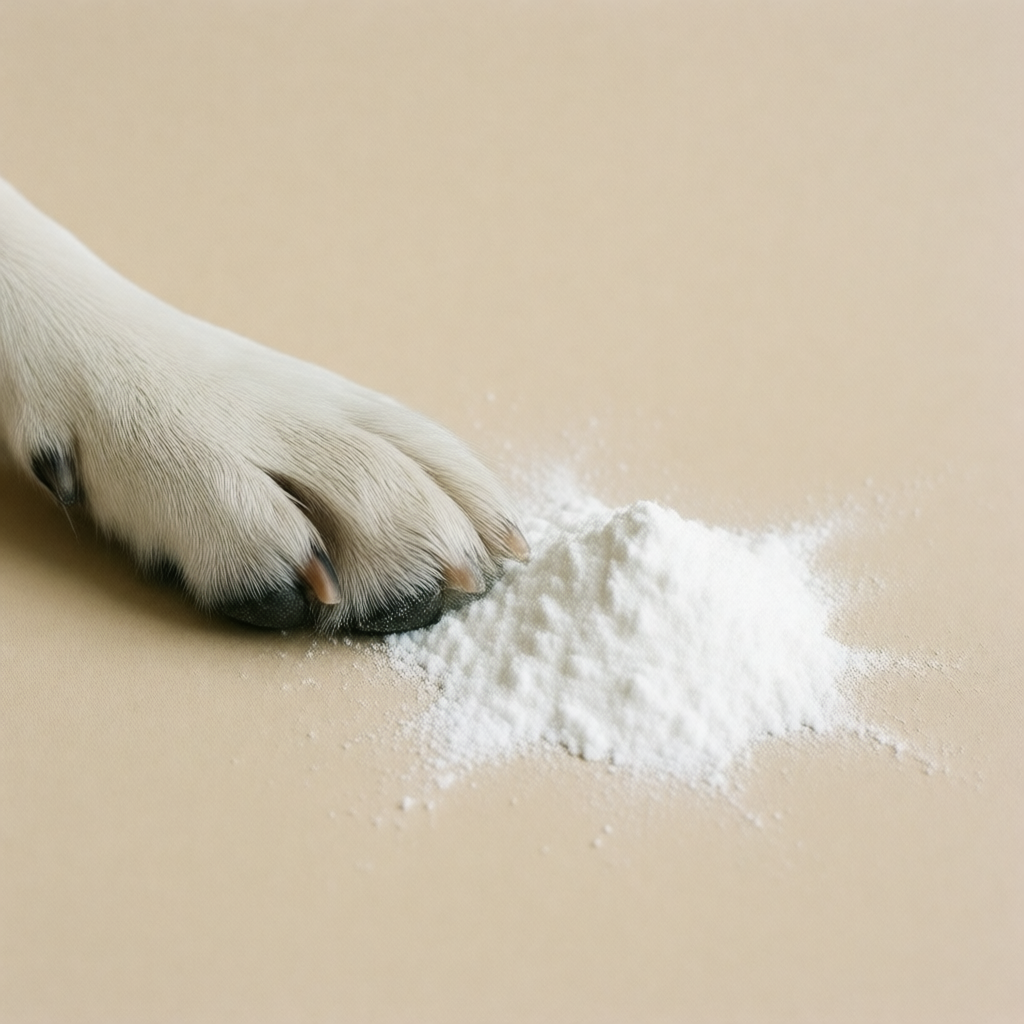
Diatomaceous earth is made from fossilized algae—tiny organisms called diatoms. Their shells are super microscopically sharp, kind of like razor blades under a microscope. When insects walk across the powder, those tiny shards scratch their protective outer layer. And just when you think insects are invincible, they dehydrate and die from water loss.
Which Pests Actually Fall For This Trap?
Alright, so which creatures does this powder actually work on? From my experience testing different scenarios, here's what I found:
Ants: These were my first test subjects. Yes, it works—but only if they walk directly across it. Sprinkle it along their trails!
Cockroaches: Another classic target. They love hiding in corners where you put DE, so they get exposed naturally.
Flea beetles & bed bugs: Fleas especially hate this stuff. I noticed a big drop after treating my dog's bedding area.
Termites: Works over time, though it takes patience compared to other methods.
Spider mites & aphids: Gardeners swear by this organic option for plant pests.
When It Doesn't Work So Well
And honestly? Not every bug gets caught in this web. Here's where DE struggles:
Mosquitoes: DE needs them to crawl across it. If they fly over without landing, they're safe.
Birds & pets: While generally safe for mammals, breathing in DE powder isn't great for anyone with respiratory issues.
Bugs that don't touch surfaces: Some pests stay hidden and never cross the treated areas.
My Honest Take After Trying Everything
I'll be real with you—I tried sprays, traps, chemicals, everything. DE became my go-to because it's non-toxic and keeps working without resistance building up like pesticides.
But don't expect overnight miracles. You need to apply it properly—thin layers, high-traffic areas, and most importantly, keep it dry. Once moisture hits the powder, poof! Game over.
If you're dealing with an infestation, consider combining DE with other methods. Sometimes multiple approaches win the battle instead of one silver bullet.
Bottom line? DE kills crawling insects effectively, but it's part of a bigger pest management strategy. Worth trying, absolutely—but go in with realistic expectations!
Diatomaceous Earth: Which Pests Does It Actually Kill?
Hey! Let’s chat about diatomaceous earth (DE). If you’re like me, you probably found it while trying to keep pests away without toxic sprays. But here’s the kicker—it’s not magic dust for every bug.
Breaking Down What Bugs Are Killed by Diatomaceous Earth
DE works best on soft-skinned invaders. Think aphids, thrips, and those pesky pantry moths hiding in your grain bins. Ants? Sure, but only if they walk through it. Beetles too—especially in crawl spaces. Fleas love lounging on carpets, which is why sprinkling DE there helps.
Now, does it handle hardier pests? Bedbugs, surprisingly, respond slowly. Cockroaches might dodge it unless applied heavily. And don’t expect miracles on flying insects like flies; their wings resist dehydration longer. Remember, DE only works when dry. Rain washes it away—so timing your application matters!
Safety First: Things Everyone Overlooks
Okay, here’s where things get tricky. Most guides skip these, but I’ve learned the hard way:
- Food-grade vs. Industrial: Only food-grade DE is safe for home use. Industrial versions can contain silica dust—bad news for your lungs and skin.
- Mask Up: Even “natural” powders cause irritation. I ignored this once and ended up with scratchy throats. Worth it? Nope.
- Storage Matters: Keep it sealed tightly. Moisture turns it inactive. I once left it open near the sink—ruined an entire bag.
And oh! Avoid applying it near children’s play areas. Tiny hands = accidental ingestion risk. Also, ventilate well when treating indoors. Stale air + dust = headache city.
Bottom line: DE’s handy but needs respect. Treat it like any chemical—understand its limits and handle carefully. After all, safety trumps saving a few bucks on pesticides!
Have you tried DE? Share your horror or success stories below!