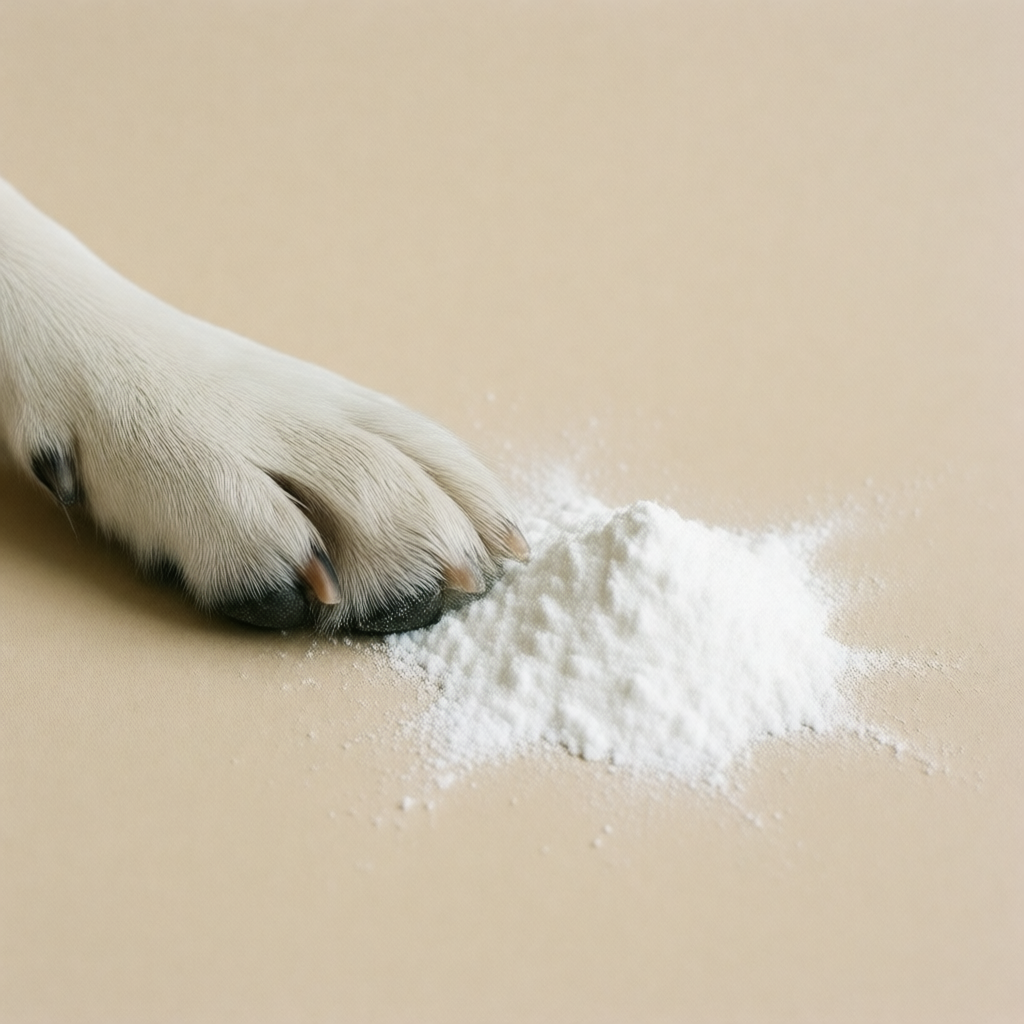
The Dirt on Diatomaceous Earth: What Actually Works Against Pests
What Are You Really Buying?
Hey, so you picked up a bag of diatomaceous earth for your garden, right? Cool. But wait—did you check if it's actually food grade? Because not all DE is created equal, and trust me, this stuff can backfire if you get the wrong type. I learned this the hard way when a mix-up sent my cat to the vet. Oops!
Why Food Grade Matters Here
Food-grade DE is super safe for humans and pets. The other kinds? Industrial DE often has silica additives that might irritate lungs or harm soil life. Look for certifications—if it's food grade, it'll usually say so. No weird chemicals, just fossilized algae shells ground into powder.
How does it work? DE's microscopic sharp edges scratch insects' exoskeletons, dehydrating them. But only when it's pure. Impure powders lose that punch, wasting money AND your time. When using diatomaceous earth pest control solutions, purity matters more than price.
Common Mistakes People Make
- Applying thick layers—it clumps and stops working.
- Ignoring moisture. Rain washes it away! Reapply after storms.
- Skipping masks. Inhaling fine dust isn't fun.
I skipped a label once—used pool-grade DE thinking "same thing." Big mistake. My dog ate his nose off trying to lick the floor. Lesson learned: double-check packaging before sprinkling anything!
Safe Application Tips
Think of it as a low-key superhero. Minimal effort pays off! Apply thin layers in dry corners—under sinks, near baseboards. Avoid direct contact with pets while it settles. Once dry, it's harmless to cuddles.
Bottom line: always grab food-grade for pest control. It's costlier sometimes, but worth it for safety. Plus, reading labels saves headaches. Stay smart out there—your future self will thank you!
So You Want to Try Diatomaceous Earth?
Okay, let's be real for a minute. You've probably heard the buzz about diatomaceous earth pest control. It's been everywhere—gardening forums, homestead blogs, even your neighbor's Instagram stories telling you how they saved their tomatoes from aphids with nothing but some dusty powder.
And yeah, it really does work sometimes
At first, I wasn't sure either. That fine white powder sitting in my garage didn't seem like much. But then I noticed something weird happened after I dusted it around my garden beds. The slugs? Gone. The ants marching through my kitchen corner? Also gone. There's something genuinely satisfying about using something so simple that actually works.
But Here's Where Things Get Complicated
Here's what nobody really talks about though. This stuff isn't magic, and it definitely won't fix every pest problem you throw at it. In fact, if you're expecting miracles overnight, you're gonna have some frustrations waiting for you.
The Moisture Problem Nobody Mentions
See, here's where diatomaceous earth starts losing its edge. When rain comes through? Poof. The stuff gets wet and stops working. I learned this the hard way one spring when I spent a weekend treating my whole backyard, then woke up to steady drizzle all Saturday. Come Monday, half the bugs were back like nothing ever happened.
Some Bugs Just Don't Care About It
Not all pests die from being coated in DE. Cockroaches? Sometimes yes. But fleas in heavy infestations? My neighbor told me she went through three bottles before her dog finally stopped scratching. And termites? Honestly, don't bother trying. By the time you finish reading this sentence, those guys are already inside your walls doing damage that DE can't touch.
When Should You Actually Use It?
Here's what I've figured out after messing around with different approaches. If you need something for preventive maintenance in dry conditions, DE is solid. For occasional light infestations? Also works great. Think of it more as part of your toolkit rather than your only solution.
What I Actually Keep in My Shed Now
These days, I mix a few different strategies. Outdoor gardens get regular DE dusting during dry spells. Indoor problems get targeted treatments plus some sticky traps thrown in. And for serious infestations? I call the pros instead of arguing with biology over YouTube videos.
Bottom line: DE has earned its place in my arsenal, but I keep expectations realistic. It's not going to solve everything, and that's okay. Most tools aren't supposed to. What matters is knowing when to grab it and when to look elsewhere.
Your Turn—What's Your Experience Been?
I'm curious now. Have you tried using diatomaceous earth pest control methods yourself? Did they work as advertised, or did things go differently? Drop a note below—I'm always swapping war stories about what actually works versus what sounds good on paper.
What Am I Talking About?
I remember the first time I tried diatomaceous earth pest control—I was desperate to stop ants in my kitchen. Bought a shiny bottle labeled "natural," sprayed it liberally, and ended up sneezing for hours. Yeah, not great. Turns out, handling DE wrong turns it into a dusty nightmare. But done right? It's a game-changer.
So… What Even Is This Stuff?
Food-grade diatomaceous earth is basically pulverized fossilized algae. Think microscopic razor-sharp edges that dehydrate bugs when they crawl through it. It's non-toxic to humans and pets (phew!), but don't breathe it directly—no one likes a dust storm indoors.
Why People Freak Out About White Clouds
See, DE is light as air. If you dump it from height or shake it wildly, poof—cloud of gray mist that coats your curtains. Worse, inhaling it irritates lungs. My neighbor once tried "liberal sprinkling" and spent days coughing. Not ideal for anyone's health or sanity.
How to Apply Without Chaos
-
Use a hand duster or squeeze applicator. Aim for baseboards and cracks—no need to blanket everything.
-
Wear a mask. Even food-grade DE is gritty stuff; nobody wants lung-full of fossilized algae.
-
Tap off excess after a day. Pest-killed debris falls away naturally, and too much layering attracts pet hair.
Where Does It Actually Work?
DE crushes crawling insects—cockroaches, ants, fleas—but won't fix flying pests or rodents. It's a slow killer too. Expect 4-7 days for results. Patience pays off, unlike those chemical sprays that smell like regret.
Pro Tip: Stay Dry!
Humidity kills DE's power. Rain washes it away, humidity clumps it. Keep it in dry areas like attics or under sinks. Reapply monthly outdoors after storms. Trust me, your garden bed will thank you later.
Is It Worth the Fuss?
Absolutely—if you play it smart. No more toxic fumes, no dead bugs stuck to ceilings. Just clean, effective pest control. But respect the dust, protect your lungs, and apply like you're painting a tiny mural, not building a snowman.
Oh, and buy food-grade! Pool-grade DE is nasty business. Label it clearly, store it far from curious pets. Your future self will high-five you when the pantry stays ant-free for months.
What's the Big Deal About Pest Control?
Diatomaceous earth pest control has been buzzing lately, but honestly, I used to roll my eyes at the hype. Like everyone else, I wanted a magic fix for ants in the kitchen or spiders in the garage. Turns out, there's real science behind this dusty stuff.
Wait, Isn't This Just Silica Sand?
-
It's fossilized algae—kinda gross, but harmless to mammals!
-
Microscopic jagged edges slice through bug exoskeletons
Here's where it gets tricky: while safe for pets once settled, breathing it in feels like inhaling tiny glass shards. That's why wearing a dust mask during application matters more than most people realize.
Does It Actually Work?
Short answer: yes—but only if you use it right. My backyard garden had aphids last summer, and I tried everything. Food grade diatomaceous earth worked like a charm, but only after I sprinkled it sparingly near plants instead of blanket-dumping it everywhere.
Safety Tips You'll Thank Me For
Don't skip the mask! Even "food grade" can irritate lungs. Pair it with gloves and eye protection—it's worth the effort. And remember: keep it away from kids/pets until it settles, ideally overnight. Patience prevents regret.
Bottom line: diatomaceous earth pest control isn't perfect, but it's one of those rare eco-friendly solutions that actually delivers. Just respect the material, wear your gear, and maybe invest in a really good vacuum afterward. 🌿✨