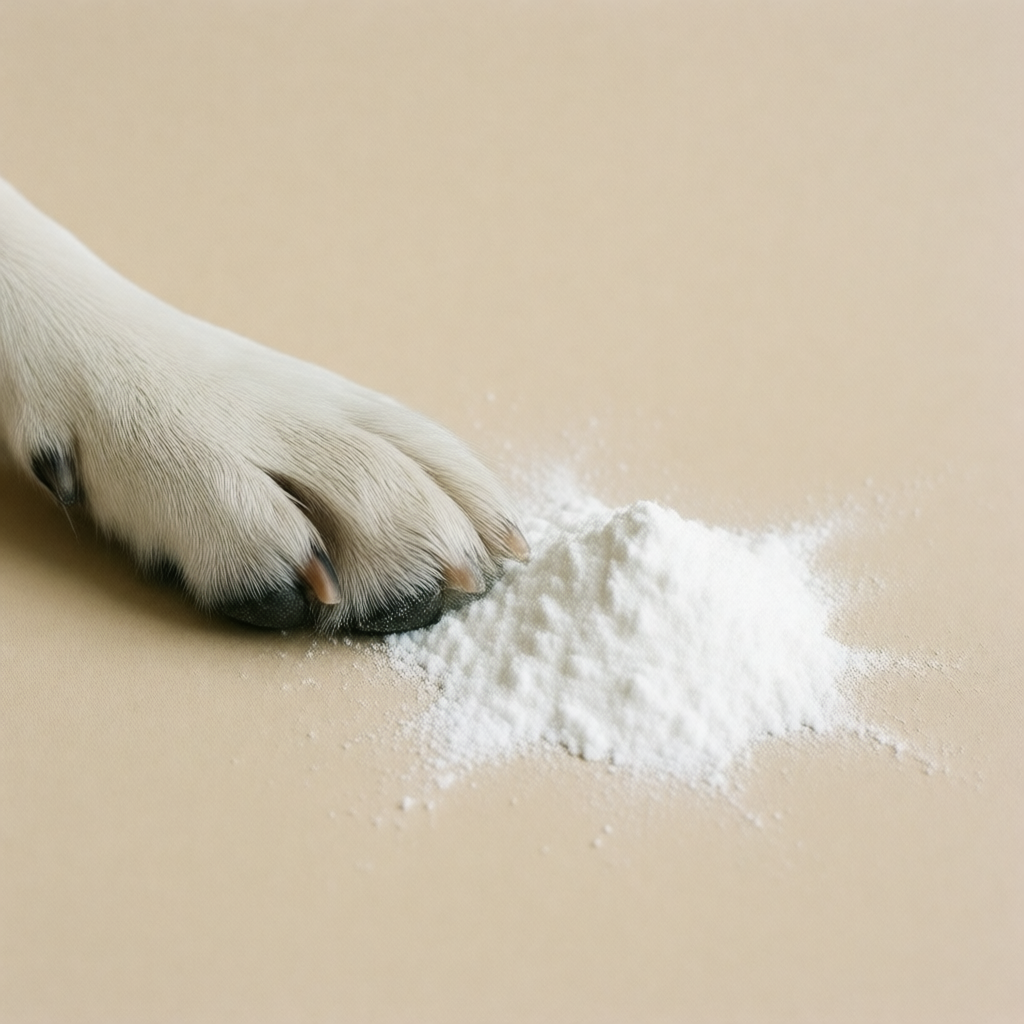
Finally figured out how to keep my yard flea-free without chemicals—here's what worked
So, You Think Pesticides Are Necessary?
Be honest with yourself for a second. When you bought that big green spray bottle last month, did you really read the warnings? Probably not. I didn't either. I just wanted my backyard safe.
But then you realize something scary. The things you sprinkle down to kill bugs might be doing a number on your pup's health. Dogs sniff everything. They lick their paws. If they walk through treated grass, that residue sticks around longer than you think.
- Neurotoxins: Some chemicals affect the nervous system of small animals differently than humans.
- Residue Time: Rain doesn't always wash it all away immediately.
- Inhalation Risk: Dust particles floating in the air are dangerous if your dog sniffs deeply.
The Safe Alternative I Found
Here's the thing I wish someone told me earlier. You don't need poison gas to fix a flea problem. I stumbled across a simple mineral powder that does the job without the burn smell. It's called diatomaceous earth.
(Pro-tip: Make sure it's labeled "Food Grade". Industrial DE is bad news for lungs, yours and the dog's.)
How to use diatomaceous earth for fleas outdoor
Okay, so you've got the bag. What now? I tried a few methods before I finally stopped ruining my lawn care routine. Here is the process that actually stuck.
Step 1: Pick Your Moment
You can't just dump it whenever. Windy days mean the dust goes everywhere—in your eyes, in your plants. Look for a calm morning. A dry day works best too, obviously.
Step 2: Prep the Gear
I used a cheap flour sifter or a garden duster tool. Putting on a mask feels smart just in case. It's fine for dogs, but we don't want breathing it in ourselves.
Step 3: Application Zones
Focus on where the fleas hide. Under bushes, along the fence line, shady corners of the patio. Don't cover the whole yard thickly; it just wastes product.
Step 4: The Waiting Game
This isn't instant magic like the chemical stuff claims. It takes time for the powder to dehydrate the pests. Wait about three weeks before re-applying if you see activity coming back.
- Test a small patch first.
Make sure it doesn't harm your favorite flowers. - Keep pets off wetted soil until it dries fully.
- Reapply after heavy rains.
A Peace of Mind Worth It
I know it sounds tedious compared to spraying a can. Honestly, at first, I wasn't sure it would work. But watching my dog roll in the grass without getting bitten? Totally worth the effort.
If you are looking for how to use diatomaceous earth for fleas outdoor, the key is patience and consistency. You aren't killing the ecosystem, you're making life harder for the parasites. Much better way to run a household.
Give it a try this weekend. Your furry friend will thank you.
So You're Dealing With Fleas Outside? Here's What Actually Works
At first, I wasn't sure whether anything could really help with fleas in the yard. I mean, these little pests can show up anywhere—from your porch to your garden bed. But after trying everything, I finally found something that actually makes a difference.
Diatomaceous earth is the answer—but not just any kind. And let me tell you, the wrong type won't work at all.
Step 1: Make Sure You're Getting Food Grade Only!
This is where most people mess up. There are different types of diatomaceous earth out there, and food grade DE is the only safe option for your yard and pets. Don't be tempted by the pool filter version—that's industrial stuff meant for water filtration, not gardens.
-
Look for "food grade" on the label
-
Should be 100% pure silica dioxide
-
No added chemicals or additives
Step 2: Apply It Where Fleas Hang Out
You might think you should spray it everywhere, but that's not necessary—and it would be wasteful. Focus on the areas where fleas actually live:
High-Traffic Zones:
-
Underneath decks and patios
-
Along fence lines
-
Around pet resting spots
Moist Areas:
Fleas love damp places, so give extra attention to:
-
Near bird baths or water features
-
In shaded corners of the yard
-
Where grass meets soil
Step 3: Application Technique That Actually Helps
Here's what I learned through trial and error: you want to get it into the soil, not just leave it floating on top. Think of it like dandruff—you need to reach the skin, not the hair.
For best results when you're figuring out how to use diatomaceous earth for fleas outdoor, try this method:
-
Use a bulb sprinkler or hand shaker
-
Apply lightly—thin layers work better
-
Water it in slightly so it sticks
Step 4: Safety First (Even Though It's Safe)
Just because food grade DE is natural doesn't mean you can ignore safety completely. Yes, it's safe for pets once applied, but while you're spreading it around, wear a mask and try not to breathe in the dust. I know that sounds contradictory, but it makes sense when you think about it—you don't want particles in your lungs even from harmless things.
Keep kids and pets off treated areas until it settles. I usually wait a few hours before letting them back in the yard, which isn't hard to plan around.
What to Expect Over Time
Don't expect miracles overnight. In my experience, you'll see improvement within a week, but full results take maybe two weeks depending on the infestation level. The key is consistency—reapply every few weeks during flea season.
Looking back, I wish someone had told me about food grade diatomaceous earth earlier. Your yard can be flea-free without harsh chemicals, and honestly, once you figure it out, it becomes pretty easy maintenance.
Give it a try—you might surprise yourself with how well it works compared to those expensive chemical products.
I Was Making These Mistakes With Flea Control
Before I discovered a safer way, I thought chemicals were the only answer. My yard looked fine, but fleas kept jumping onto my dog every afternoon. At first, I sprayed toxic products everywhere, but the fleas came back—and my dog’s skin got irritated.
What went wrong?
Applying chemicals unevenly—fleas hide in shady, moist spots
- Using sprays too close to flowering plants, killing bees and butterflies
- Not protecting myself during application (hello, coughing for hours!)
Diatomaceous Earth Changed Everything
Diatomaceous earth (DE) is a fine powder made from fossilized algae. It kills fleas by dehydrating their exoskeletons but won't harm pets or plants once settled. Here's how I learned how to use diatomaceous earth for fleas outdoor effectively.
Your Step-by-Step Guide
Step 1: Pick the Right DE
Food-grade DE only—industrial versions can be dangerous. Look for "silica" or "amorphous silica" labels.
Step 2: Find Flea Hotspots
Mysparky tip: Watch where your dog lounges. Fleas love shaded areas under shrubs, woodpiles, or damp soil.
Step 3: Apply Lightly
Sprinkle DE in thin layers. Too much? It clumps and becomes ineffective. Think of dusting flour on a counter—not dumping.
Step 4: Stay Safe During Application
Wear a mask and gloves. DE particles can irritate lungs. Work on dry days to avoid wash-off.
Step 5: Wait for Results
Fleas die within 48–72 hours. Reapply weekly during peak season, especially after rain.
What I Wish I Knew Earlier
Myth: DE disappears fast.
Truth: It lasts until disturbed. Watering the area activates it temporarily—let soil dry first.
Common mistake: Spraying near water sources.
Fix: Avoid puddles or ponds. Fleas stay away from wet zones anyway.
Final Tips for Success
Combine DE with regular vacuuming of indoor carpets and grooming. If your neighbor treats their yard too, ask them to avoid pesticides—DE protects everyone!
Pro move: Test a small patch first. Not all soil types react the same. In sandy soil, DE disperses faster than clay-heavy ground.
Remember: Natural solutions take patience. But watching your dog run free without itching? Worth every minute.
What Are We Actually Dealing With?
Outdoor fleas can absolutely drive you crazy. At first, I wasn't sure why my backyard kept getting covered in tiny jumping pests even after treating my dog. Turns out, the grass and soil were the real culprits.
That's when I discovered diatomaceous earth. It's been game-changing for my yard health without exposing anyone to harsh chemicals.
Step 1: Choose Your Type
Not all diatomaceous earth is created equal. For outdoor flea control, you want food-grade diatomaceous earth (DE). Here's the breakdown:
-
Food-grade: Safe for pets, humans, and plants
-
Pool-grade: Contains silica—DO NOT USE around living things
-
Powder form: Works best for spraying across yard areas
It depends on what you buy at your local hardware or garden center. Take photos of the label before purchasing!
Step 2: When to Apply
Timing matters more than you might think. I wasted money spraying right before rainstorms because DE washes away easily. The sweet spots are:
| Condition | Best Option | Why |
|---|---|---|
| Dry weather | Apply immediately | No rain risk |
| Morning application | Perfect timing | Less dew interference |
| Windy day | Wait it out | Product blows away |
I made the mistake of applying during a breezy afternoon—half of my powder ended up on my neighbor's fence instead! 😅
Step 3: How You Actually Use It
Here's the practical stuff. I tested different methods until finding what stuck:
- Put on a dust mask—this isn't optional, friend
- Use a bulb duster for targeted application around kennels
- Sprinkle lightly under bushes and along fences
- Reapply every 7 days or after rainfall
Pro tip: Mix DE with diatomaceous earth + essential oils (like lavender) for added repelling power without harming beneficial insects like bees.
How Long Until Results?
Be patient here. I wanted instant answers but learned patience pays off. Here's what happened on my timeline:
- Day 1–3: Noticed less crawling activity
- Week 1: Flea count dropped dramatically
- Week 2: Near-zero infestations in treated zones
The question becomes how to use diatomaceous earth for fleas outdoor—it's really about consistency, not just one application.
Common Mistakes I Made
Don't repeat my errors! Learning from others saves time and frustration:
- Applying too thickly—thin layers work better
- Forgetting moist areas get washed away faster
- Skipping reapplication schedule entirely
- Using wrong type of DE for pet safety
At first I thought more powder meant more protection. Nope—lightly covering problem areas is smarter.
Final Thoughts That Helped Me Win
Look, keeping your yard flea-free without chemicals is possible once you know how. Diatomaceous earth works mechanically—not chemically—meaning it physically damages flea exoskeletons so they dry out and die. Simple science!
Start small, track what works, and adjust based on your yard's layout. Whether you're dealing with shade gardens or sunny patios, the principles stay the same. Now go tackle those little jumpers!
Have questions? Drop them below—I'm happy to share what worked (and what didn't!) in my flea battle journey.
What Are Face Cleansing Wipes?
Face cleansing wipes are pre-moistened disposable cloths formulated to clean the skin by removing impurities such as makeup residue, sweat, sunscreen, and environmental pollutants.
Common benefits include:
-
Quick removal of makeup and dirt
Because of their ease of use, face cleansing wipes have become a common part of many people&rsquos daily skincare routines.
Finally figured out how to keep my yard flea-free without chemicals—here's what worked
So you're tired of those pesky fleas invading your backyard every summer? You've tried everything—chemical sprays, foggers, you name it—but nothing seems to work long-term. Trust me, I was right there with you until I discovered how to use diatomaceous earth for fleas outdoor.
At first, I wasn't sure if this natural approach would actually do anything. I mean, why would powdered rock stop tiny jumping insects? But after two summers of trial and error, I can honestly say this method changed everything.
Step 1: Gather Your Materials
Before you start, make sure you have these items ready:
Food-grade diatomaceous earth (NOT pool filter grade!)
A mask and gloves for protection
A garden duster or flour sifter
Water spray bottle for moistening soil
The food-grade stuff is crucial here. Anything else could harm pets or plants. I learned this the hard way when my neighbor gave me the wrong type initially.
Step 2: Find Your Flea Hotspots
You can't treat everywhere equally. Fleas love shady, moist areas near trees, bushes, and under decks. In my yard, they concentrated along the fence line and beneath our shade tree. Walk around and look for where your pets hang out most.
Step 3: Apply Diatomaceous Earth
Here's where the actual work begins. Put on your mask—it's really important. Then sprinkle DE lightly over problem areas. Don't go crazy with it; a thin dusting works best. The goal is to coat surfaces, not create a thick layer.
Pro tip: Lightly mist treated areas with water afterward. This helps the powder stick and activates its effectiveness. Dry DE loses potency when it blows away or gets washed off.
Step 4: Repeat and Maintain
This isn't a one-and-done solution. Reapply every 1-2 weeks during peak flea season, or after heavy rain. Yes, it takes commitment, but seeing your backyard flea-free is worth it. Our kids finally play outside without jumping at grass!
Some Areas Where This Won't Work
Look, I'm being honest with you—this method has limitations. If you have a massive infestation already, you might need professional help first. Deep cracks in concrete, heavily shaded damp basements, and indoor pet areas outside the scope of outdoor treatment. Sometimes the fleas are just too entrenched.
Also, don't expect overnight miracles. Even after the first application, you'll still see some fleas for days as they're dying off. Give it 2-3 weeks before judging results.
Final Thoughts
Using how to use diatomaceous earth for fleas outdoor methods took patience, but it's saved my family from chemical exposure and kept our outdoor space healthy. Start small, be consistent, and adjust based on what you observe in your specific yard.
Have questions? Drop them below. We're all learning together, and nobody fails at protecting their pets—and themselves—from fleas alone.