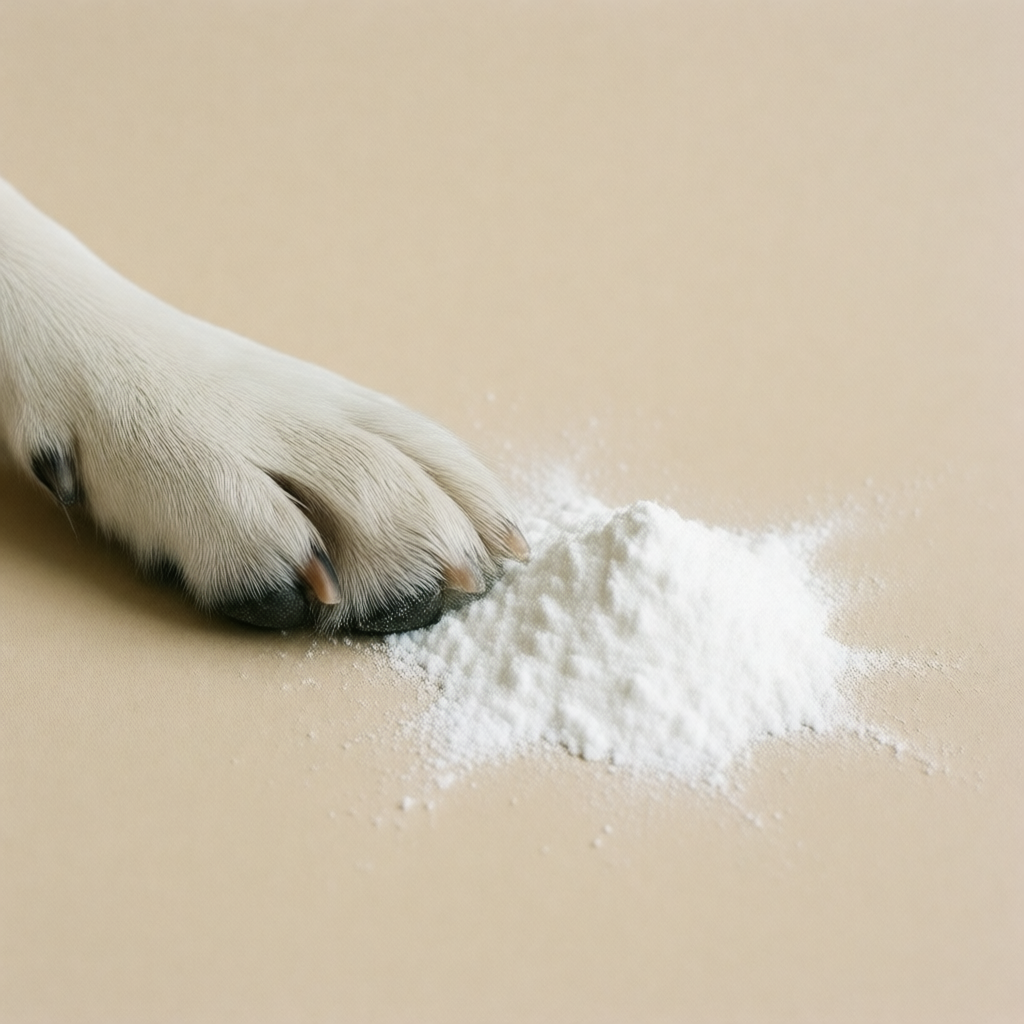
Is Diatomaceous Earth Really Worth the Hype? A Real Talk Guide
Okay, So What Is This Thing Everyone's Talking About?
Lately, I've been seeing diatomaceous earth everywhere—Pinterest pins, TikTok videos, my cousin's Instagram story you know, that weird powder everyone suddenly can't stop mentioning. At first, I was rolling my eyes. Another internet trend, right?
But then my neighbor actually showed it to me. She uses it in her garden AND for some weird bug thing in her kitchen. I had questions. Lots of them.
Wait, Is It Actually From Dinosaurs?
Okay, maybe not DINOSAURS specifically, but hear me out. This stuff is made from ancient fossilized algae called diatoms. Yeah, those tiny microscopic creatures that lived millions of years ago and... well, now we're using their dead bodies. It sounds kinda gross when you think about it that way.
The cool part is they have these super sharp micro-structures. When insects crawl through it, the powder clings to them and... yeah, let's just say bugs aren't huge fans. Hence, why people are buying buckets of what basically feels like really fine gravel.
So How Do People Actually Use It?
Here's where it gets interesting because the applications are... well, everywhere.
| Use Case | How It Works |
|---|---|
| Garden Pests | Sprinkle around plants to deter crawling insects |
| Home Insects | Dust near cracks/crevices for ants, roaches, etc. |
| Pet Care | Sometimes added to pet bedding for fleas |
| Food Preservation | Keeps stored grains pest-free |
See? That's why it went viral. One product, SO many uses. Plus, it's supposedly non-toxic compared to chemical pesticides. My grandma would approve, honestly.
The Real Talk Part—Does It Even Work?
At first, I wasn't sure. But here's what I learned: food grade diatomaceous earth works best. The pool filter kind? Nope. Don't even go there. Different grades for different purposes.
My husband tried it for our garage spiders last month. Not magic, not instant, but he noticed fewer visitors after a week or two. It's not going to solve everything overnight, but neither does regular vacuuming.
Some things take time. Like relationships. Or pest control.
Should You Jump On This Bandwagon?
Honestly? Only if you need something safe and eco-friendly. If you're dealing with a serious infestation, you might still need professional help. But for prevention? For maintaining a clean home without harsh chemicals? It checks most boxes.
I've got a half-empty bag gathering dust on my shelf now. Sometimes you try the hype, sometimes you don't. Either way, at least you gave it an honest shot.
What do YOU think? Are you team diatomaceous earth, or just another skeptical millennial scrolling past another trend? Drop your thoughts below—real talk, no judgment here.
Note: Always wear a mask when handling any powder products and keep away from pets' faces. Just being cautious doesn't hurt anyone.
What's This Buzz About Diatomaceous Earth Anyway?
Alright, let's get real. You've seen it everywhere—the jars, the online ads, your cousin swearing by it for gut health and pests. diatomaceous earth is having a moment, but is it actually worth the trouble? I used to roll my eyes at the hype until I stumbled down this rabbit hole myself.
Picture this: It's fossilized algae, basically. Crushed into powder, it's been used for decades in farms and gardens. Suddenly, everyone's sprinkling it in their kitchen, taking supplements, and claiming it's a miracle cure. Cool story, but where's the line between useful tool and marketing magic?
The Pest Control Angle
-
It works against insects like a physical barrier
-
Not a chemical poison—but is it safe around pets?
Here's what I found: Food-grade DE does crush tiny bug exoskeletons. Great for ant trails or flea infestations. But inhaling it? Yikes. If you've ever sneezed while dusting flour, imagine that with microscopic sharp edges. Wear a mask, folks. And keep it away from cats—they're drama queens when it comes to respiratory issues.
Health Supplements: Magic Pill or Money Pit?
This one got me thinking. People swear by drinking it for detox or digestion. Honestly? My stomach churned reading testimonies. There's zero solid evidence it cleanses toxins—your liver does that job way better. Still, some claim it boosts immunity. I mean, chalky powder going in... sounds less like wellness, more like a punishment challenge.
-
Potential calcium boost? Maybe.
-
Side effects include constipation or irritation.
Bottom line: If you've heard "drink a spoonful every morning," skip it unless your doctor nods. Unless you're trying to prove a point during a fitness trend experiment, saving money on greens or probiotics feels smarter.
Garden Hero or Overrated Tool?
Sprinkle it on soil, supposedly improves drainage. Gardeners love DIY hacks, right? I tried it once on tomato plants. Crop yield didn't skyrocket, but bugs did slow down. Not bad for a non-chemical option, though rain washes it off quickly. Might need regular reapplication depending on your climate.
And let's talk about cost. Buying in bulk saves cash, but shipping heavy powders adds up. Compare prices with other organic methods before committing. Sometimes a simple compost tea works just as well without the fuss.
Your Turn—What's Your Take?
At the end of the day, diatomaceous earth isn't evil. It's just overhyped. Use it where it makes sense—like garden pest control—with caution. Ignore the detox trends unless science backs them up (spoiler: it doesn't). Always ask questions before buying. Got experiences to share? Drop them below—we could all learn from each other.
Where It Actually Shines (Gardeners Will Love This Part)
Okay, let's get real here. I know the internet is full of crazy claims about diatomaceous earth being some kind of miracle powder—like it cures everything from bad breath to bedbugs. But honestly? My take has shifted over time. There are definitely spots where it just... works.
Gardening Is Where It Finds Its Sweet Spot
If you're into gardening, trust me, this stuff is worth your attention. I've been using diatomaceous earth in my vegetable patch for about two seasons now, and the results speak for themselves. It's not magic—it's just practical pest control that doesn't involve spraying chemicals all over things you plan to eat.
-
Soft-bodied insects (aphids, slugs, beetles) hate crawling through it
-
Food grade means your veggies stay safe when dusted lightly around plants
Here's what I discovered after some trial and error: you don't need to drench your whole garden. A light dusting along the base of affected plants goes a long way. Morning application works best because the powder sticks better before dew dries off. And no, it doesn't harm beneficial bugs unless they're walking directly through it—which most pollinators do anyway without incident.
One thing I wasn't expecting was how much easier companion planting became. When I combined certain herbs with vegetables treated with diatomaceous earth, the insect pressure dropped significantly. Basil near tomatoes, mint around beans, and suddenly fewer aphids showing up on leafy greens. Not perfect—nothing is—but definitely noticeable improvement.
At first, I wasn't sure how to handle rain wash-off issues. Turns out, reapply after watering or heavy rain. Simple enough! It also smells nothing like industrial chemicals, which matters when you're standing knee-deep in dirt mixing potting soil. Just wear a mask during application—you'd be surprised how much airborne particles bother your lungs even with food-grade powder.
Bottom line: If you're looking for one product that genuinely delivers on its promise without making you feel guilty about poisoning your garden ecosystem, diatomaceous earth earns its place on your shelf. It won't solve every single problem, but for targeted pest management? Yeah, it's legit. Worth trying if you haven't already.
What's All the Fuss About Diatomaceous Earth?
You've probably seen ads popping up left and right—diatomaceous earth as a miracle powder for everything from pest control to detox drinks. I get it. It's tempting to grab the bottle after seeing influencers swear by it. But here's the thing: I nearly made a costly mistake myself.
Before I started trusting this stuff, I didn't know the *huge* difference between food-grade and non-food-grade varieties. Spoiler: One won't hurt you, the other could end your weekend BBQ party permanently.
Three Things I Wish I Checked Before Buying
Let me save you some stress. Here's what I'd tell my younger self:
-
Always confirm it's labeled "food-grade."
-
Check the particle size—fine dust irritates lungs!
-
Read reviews. Seriously. Some brands cut corners.
That last one hit me hard. I ordered a cheap brand once, and turns out it had high heavy metal levels. Oops.
The Dirty Truth About "Natural" Labels
Just because something's called "all-natural" doesn't mean it's safe for indoor use. I saw a DIY YouTube tutorial once where someone sprinkled it indoors and ended up hacking up their lungs. Not glamorous. Do your research—look for ASTM F2018 certification if you're buying for home use.
And packaging matters! DE absorbs moisture like crazy. I wasted two bags when I stored mine in a plastic tub without sealing it. Trust me, buy breathable bags or opaque containers.
Final Thought: Save Your Wallet (and Sanity)
Diatomaceous earth works—if you pick the right kind. Don't rush the purchase. Spend 15 minutes reading labels and reviews instead of impulse-buying the cheapest option. Your nose (and budget) will thank you later.
P.S. Tried it yet? Share your horror stories—or wins—in the comments. We've all got lessons to learn here.