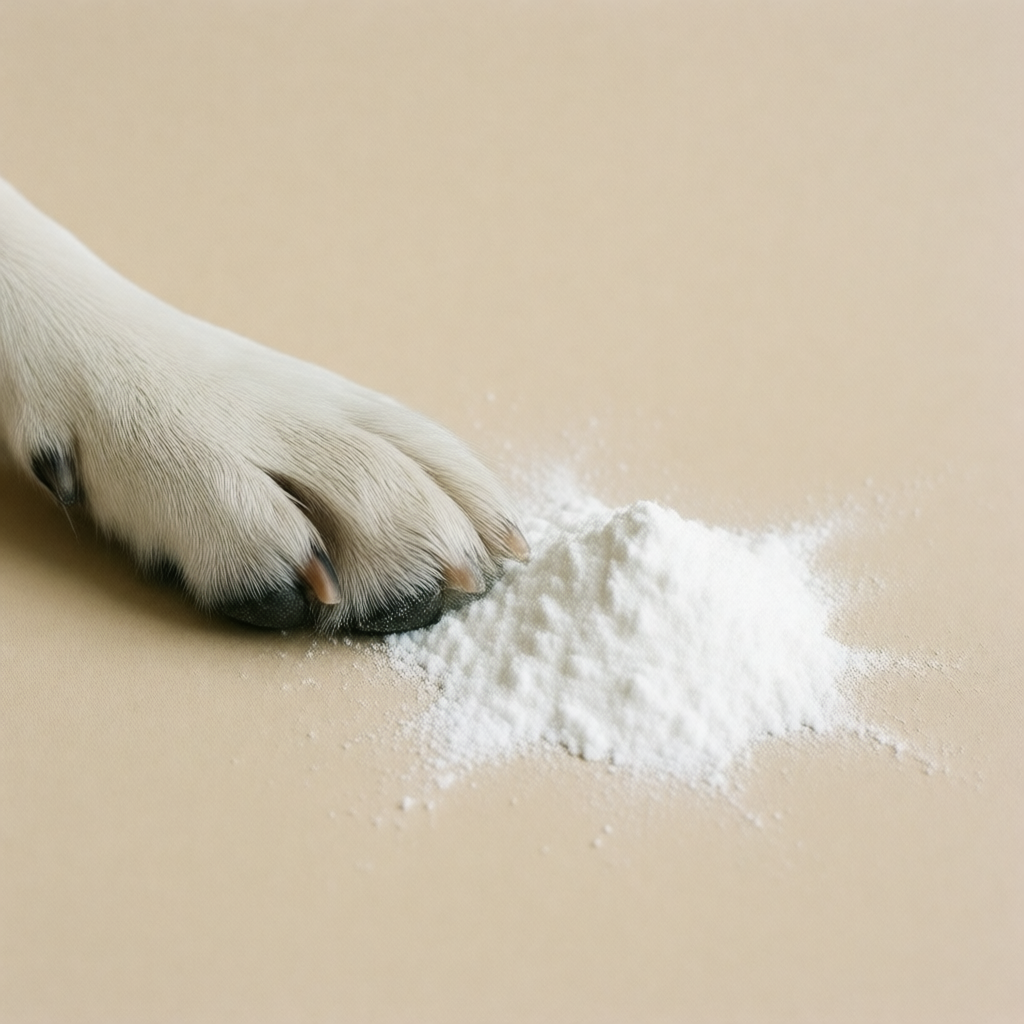
Stop Chasing Thrips: Real Talk on Using Diatomaceous Earth
So You've Got Thrips (Again?)
Look, I get it. We all buy that bag of white powder expecting a miracle cure, right? Then you see those silvery trails on your basil leaves or the bent, twisted stems on your roses. It's frustrating. But honestly, if you've been applying diatomaceous earth and the bugs are still hanging around, you're probably doing something wrong. And no, I don't mean buying fake stuff (though that happens too). I mean the actual mechanics of it.
Wait, Is It Wet Out There?
Here is the biggest mistake I see—wet surfaces. DE works because it's basically microscopic razor blades. It dries out the insects. But? If the plant leaves are damp from rain or overhead watering, the powder turns into clumps. Suddenly, instead of dust, you've got mud sitting on your foliage. The thrips crawl right over it. You need bone-dry conditions.
Now, when should you hit it? Not during midday sun, definitely not while you were just spraying water. Best time is early morning or late evening when dew has evaporated but the air isn't humid yet. I learned this the hard way after wasting three pounds of food-grade powder in a single season. It really depends on the situation outside your window.
Are You Dusting or Swatting?
And here is where people mess up the coverage. You can't just do a light swipe on top of the leaves. Thrips like it cozy. They hang out under the leaves, hidden in flowers, tucked into the flower heads themselves. If you want to know how to use diatomaceous earth for thrips, you have to think about their hiding spots. Flip the leaves. Dab the calyxes.
-
Cover the undersides thoroughly
-
Don't ignore the soil surface
-
Repeat every few days initially
It's tempting to apply once and walk away. That's the trap. Thrips have life cycles. What you killed today won't touch the eggs hatching tomorrow. You need persistence. It's less about a big splash and more about patience. Think of it as setting traps rather than calling a cleanup crew.
Safety and Sensitivity
Also, wear a mask. Seriously. It's fine powders that can irritate lungs, and you don't want that dust floating back down on your face. Just take a breath. Plus, bees! If you spray directly on open blooms during bee hours, you might hurt the good guys along with the bad ones. Wait until pollinators are done buzzing for the day. Sometimes you gotta sacrifice immediate gratification for long-term garden health.
Honestly, managing pests is mostly about messing fewer things up than last year. If you dry out your surfaces, cover the undersides, and come back next week, you'll see a difference. It's not magic, but it beats watching your harvest vanish week after week. Give it a shot!
Wait, Are You Doing This Wrong?
\nYou know that feeling when you spray everything and the thrips just keep coming back? I\u0027ve been there. We all chase these tiny pests, hoping our solutions actually work. But here\u0027s the thing—most of us are making the same mistake when trying to figure out how to use diatomaceous earth for thrips.
\nThe Dust Isn\u0027t Instant Magic
\nDiatomaceous earth (DE) isn\u0027t a chemical poison that wipes out life on contact. It works physically. Imagine microscopic glass shards. When those critters crawl over it, their exoskeletons crack and dry out. Simple, right? Well, yes and no.
\n- \n
- \n
It needs to stay dry
\n \n - \n
It needs direct contact
\n \n
The big blunder? Sprinkling it on damp leaves. If the dust gets wet immediately, it loses its cutting power. You might as well be watering your plant with talcum powder. Trust me, I learned this the hard way. It wasn\u0027t until the infestation got worse that I realized I was fighting the wrong battle.
\n\n
Where They Actually Hide
\nThrips don\u0027t just sit on top of leaves. They tuck themselves away near the roots or under curled petals. If you\u0027re treating this like a surface dust job, they\u0027ll just come back tomorrow. I used to miss the undersides entirely. That\u0027s the secret spot.
\nSo, what\u0027s the fix? Apply thin layers in the early morning when things are driest. Reapply after you water the garden. And honestly, check the soil around the base; they love hiding there too. It takes patience, but once you get it right, you\u0027ll see the difference without needing harsh chemicals.
\nWhen You're Tired of Watching Those Tiny Pests Win
Ever notice those tiny specks dancing around your leaves? Yeah, those are thrips—those annoying little bugs that can turn your garden into a losing battle pretty fast. I've been there, staring at damaged foliage and feeling completely defeated.
So... How Long Does It Actually Take?
Here's the thing nobody tells you upfront: diatomaceous earth isn't a magic wand. When I first tried it, I expected instant results. Spoiler alert: that doesn't happen. With proper application, you typically start seeing improvements within 7 to 10 days, but complete elimination might take 3-4 weeks depending on how bad the infestation was.
The reason for this timeline is simple. Diatomaceous earth works by dehydrating these pests as they crawl through the powder. They don't die instantly—they wander off eventually when they realize their new environment is deadly. At first, I wasn't sure if it even worked because I saw more of them on my plants the first few days!
Real Tips for Application Success
When learning how to use diatomaceous earth for thrips, timing matters more than most people realize. Early morning or evening gives the best results since the powder stays put longer without getting blown away by wind or washed off by watering.
I learned this lesson the hard way. Applied my first batch during midday, came back two hours later—barely anything left. That stuff moves faster than you think! Also, don't forget to treat both sides of leaves and get down near soil where they hide during daylight hours.
What Won't Work (Trust Me)
Sprinkle-and-forget won't cut it. Here's what killed me: assuming one application solves everything. You have to stay consistent for a while. If conditions change (rain, irrigation), you may need to reapply within a week. Plus, food-grade DE is non-negotiable—industrial versions are dangerous.
And maybe stop watering from above if possible. Thrips love moisture for hiding. Keeping things dry around plant bases makes the DE much more effective. It's like setting up traps and closing doors simultaneously.
Patience Is Actually Your Friend
Look, I know waiting feels frustrating when you want immediate relief. But honestly, rushing applications often backfires. Give it time. Watch the plants respond gradually. The damage won't reverse overnight, but new growth starting to look healthy tells you everything works.
Sometimes you'll still spot a few stragglers after 3 weeks. Don't panic—that's normal. Just keep monitoring. Once the population drops below damaging levels, maintenance becomes easier. Now I just check every couple weeks instead of daily.
Final Thoughts Before You Start
If you're ready to fight back against thrips, diatomaceous earth deserves serious consideration. It's affordable, widely available, and environmentally friendly compared to chemical pesticides. But go in expecting to invest effort over time, not minutes.
Your garden will thank you. Seriously, once I stopped chasing those tiny pests and started working smarter, life got so much better. Hope this helps you avoid my mistakes along the way!