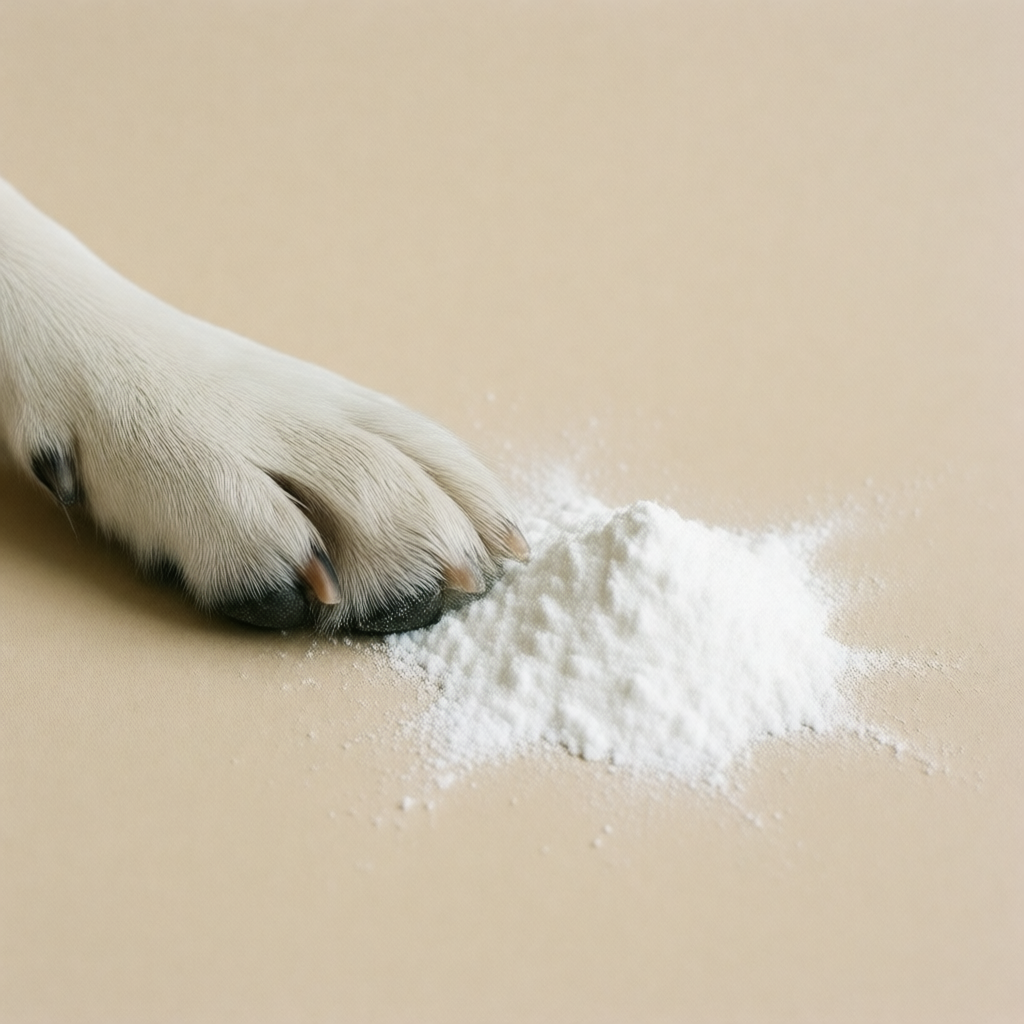
When Diatomaceous Earth Actually Works (and When It Doesn't) Against Insects
Ever Had a Bug Problem You Just Couldn’t Crack?
Diatomaceous earth got a lot of buzz online lately, but let’s be real: sometimes it feels like it does more talking than working. I remember one summer I threw bags of it around my porch like confetti, convinced it’d banish ants forever. Spoiler: They were back the next week.
Maybe It Wasn’t the Fault of DE Alone
Here’s the thing—diatomaceous earth for insects isn’t magic dust. It’s a fossilized algae powder that dehydrates bugs with jagged microscopic edges. But it needs help doing its job. Think of it like salt on a winter road: useful, but only when conditions are right.
When It Actually Works:
-
Indoor use – Dry, still air helps DE cling to crawling bugs. Good for pantry moths or silverfish hiding in cupboards.
-
Food-grade only – Pool-grade DE is toxic to humans/pets. Food-grade stays gentle while killing pests. Always check labels!
-
Outdoor dry zones – Around foundations or gardens after rain clears, leaving crusts untouched.
Where It Fails Spectacularly:
-
Humid environments – DE clumps when damp. No drying effect = no bug control.
-
Flying pests – Mosquitoes or flies won’t crawl long enough over DE to be affected.
Real Talk: How I Fixed My Mistakes
| Scenario | Outcome |
| Pantry moth infestation | DE wiped them out |
| Rain-soaked garden beds | DE washed away |
Once I stopped treating it like a spray-and-forget solution, things changed. Now I reapply DE after rain, focus on dry cracks and crevices, and pair it with sealing entry points. Combo attacks work better than relying on one method alone.
Still Skeptical? Try This First
Before blaming DE, ask yourself: Is the bug type even vulnerable? Does my environment keep it dry? Are we talking static trails of DE or a thorough cleanup? Small tweaks turn DE from “meh” to MVP in pest control.
Bottom line: diatomaceous earth for insects has its place—but knowing when to toss it in your toolkit matters more than slapping it everywhere. Happy hunting (or hiding)! 🐞
What’s All the Buzz About Diatomaceous Earth?
You’ve probably heard neighbors bragging about using diatomaceous earth for insects, right? Maybe you even bought a bag last summer because your porch was overrun with ants. I did too. Honestly, I expected it to work like bug spray magic, but… well, let’s just say my experience was mixed.
First, What Even Is This Stuff?
It’s basically pulverized fossilized algae. Super fine powder, harmless to pets (mostly!), and kills pests through sheer abrasion. Imagine tiny glass shards slicing up bug exoskeletons—they dehydrate and die. No toxic chemicals needed!
When DE Actually Saves Your Bacon
Crawling insects like ants, roaches, or bed bugs struggle on rough surfaces.
Dry conditions are key. Rain or humidity washes away its magic.
It’s most effective when bugs crawl *through* it repeatedly.
My balcony ant problem? Gone after three weeks. The powder made their trails slippery death zones. But here’s the catch—you gotta reapply after rain. Once. That’s why I stopped relying solely on it for outdoor use.
Where DE Just Can’t Cut It
Flying insects? Nah. A moth flying overhead doesn’t care if your ceiling has dust particles. Same with wood-boring beetles—they’re buried inside furniture. DE won’t reach them.
And don’t expect instant results. It’s a slow poison. If you need bugs dead tonight, skip to chemical sprays. DE works over days. Patience is mandatory.
How I Made It Actually Work for Me
Two things changed my game: location and consistency. I applied DE behind baseboards (where ants hide), not on open floors. And I vacuumed it up weekly, then reapplied. Like gardening—keep tending it.
Wear a mask! Inhalation = yikes. Also, only use food-grade DE. Some products have additives harmful to humans.
TL;DR: DE works great for crawling pests in dry spaces, but treat it as a long-term strategy. Combine with good sanitation, and you’ll win most battles. Fail-safe? Not really. Frustration-free? Almost!
diatomaceous earth for insects is one of those things everyone swears by, right? Like it's this magical powder that fixes every pest problem overnight. But honestly, I've learned the hard way that it isn't quite that simple. Sometimes you pour it out, wait a week, and boom—still seeing movement. So, where are they actually hiding when you think the war is won?
Where They Vanish To
First off, let's talk about their secret lives. You never see them during the day because they've got a better plan than us. They are master hiders. If you're spraying surface stuff, you're mostly killing whoever wanders across the floor. But the rest? They're tucked away where you can't easily sweep.
The Gap Behind Baseboards
Ever lifted up the plastic strip along your floor and seen darkness? That's prime real estate for cockroaches and silverfish. The space behind that trim is cool, dark, and rarely disturbed. If you sprinkle DE there, it stays put longer than it does on a busy hallway. But here's the kicker—if the gap is dusty already, the DE just disappears into the mix and stops working.
Deep Behind Fridge Coils
I remember trying to tackle ants once near the kitchen sink. I kept finding them going back under the stove. Then I pulled the unit out and saw the coil dusted with grease. Diatomaceous earth for insects needs dry contact to work its wick against the shell of the bug. Dust and grime? That's a barrier. The bugs walk through and leave immediately.
When The Powder Just Doesn't Stick
So, you find the spot. Great. But why didn't it kill them on the second try? It comes down to how they interact with the powder.
Moisture kills the edge. It clumps and gets wet.
Shadows are too dark. Light exposure helps.
They just avoid it entirely.
Basically, nature is tricky. If the humidity is high in your basement or bathroom, forget about it staying powdery. It turns into mud almost instantly, and nobody wants to crawl through that. Plus, some of these bugs are smart enough to avoid piles of white dust entirely.
How To Actually Win The Fight
Here is the part that saved me. Instead of dumping a whole bag everywhere, I started focusing on the paths. The trail. Where they cross over to get food. That thin line of dust along the wall? That's where the magic happens.
Also, you have to keep coming back. One time doesn't do it. Think of it like cleaning a leaky faucet; you fix it, but sometimes water drips again. Consistency beats volume every time.
At first, I wasn't sure if I was doing it wrong. I felt bad buying expensive solutions that didn't work. But understanding diatomaceous earth for insects mechanics changed everything. It's not a poison bomb; it's a mechanical trap. They need to walk through it, get coated, and dry out slowly.
If you are struggling, stop looking for invisible bugs and start checking the obvious hiding spots I mentioned above. Clean the dust first, then apply the powder, then wait. It really is that simple, even if it feels like a lot of work sometimes.
Just keep at it. The bugs hate losing their homes just as much as we do, but persistence wins.
Wait, So DE Just Dusts Around?
Okay, let's be real here. I used to think diatomaceous earth was some kind of magical bug spray that you could just sprinkle anywhere and boom—problem solved.
That… wasn't quite right. Not by a long shot. I wasted probably two jars trying to force DE to do things it simply wasn't meant to do before I actually stopped and did some homework.
The thing is, diatomaceous earth for insects isn't a magic wand. It's more like… well, tiny sharp pieces of fossilized algae that do their job only under the right conditions. And if you're not paying attention to those conditions? You're just wasting time and money.
Where DE Actually Delivers Results
Here's the part most blogs skip—they don't want you to know there are rules, apparently. But trust me, once you understand these, you'll stop feeling frustrated when bugs refuse to cooperate.
-
Dry Environments—DE literally dehydrates bugs over time. Moisture is the enemy here. If your area is humid or damp, the powder clumps up and becomes useless.
-
Slow-Moving Pests—Fleas, cockroaches, ants—they move through treated areas slowly enough that the dust gets stuck to them. Fast movers might bypass it entirely.
It sounds simple, but I learned this the hard way after sprinkling DE near my pet's litter box and wondering why nothing died. Turns out, humidity does something weird to it there.
The Places Where DE Basically Does Nothing
And now for the uncomfortable truths nobody likes to admit because they've invested so much in DE already.
-
Flying Insects—DE can't really catch flying mosquitoes or flies mid-air. The powder has to physically contact their exoskeletons somehow.
-
Outdoor Gardens—Rain washes it away almost immediately unless you keep reapplying daily. And even then, nature finds a way.
At first, I wasn't sure either when my neighbor told me she had zero luck with DE outdoors. Now I get it completely. Some problems need different solutions.
The Mistake Everyone Makes (Including Me)
You know what drove me crazy at first? Expecting immediate results. I'd sprinkle DE around the kitchen one evening and wake up expecting dead roaches by morning.
Spoiler alert: it just didn't happen. DE doesn't kill instantly. It takes days—sometimes weeks—for pests to come in contact with enough dust that they actually die from dehydration.
So yeah, maybe stop checking every hour to see if anything's fallen over dead. Let the stuff do its slow work.
Quick Tips That Actually Help
Since we're being honest with each other, here's what I've learned works better than most of the YouTube hacks out there:
-
Reapply After Rain—Obviously, outdoor applications need constant maintenance.
-
Thin Layers Work Better—Thick clumps = ineffective dust. Less is more here.
Look, diatomaceous earth isn't perfect. But when used right? It's genuinely impressive how something so simple and natural can handle certain pest problems without chemicals.
Just go in with realistic expectations, pay attention to where it works best, and maybe save yourself the frustration of learning everything through painful trial and error.
Let's Talk About Diatomaceous Earth For Insects
Diatomaceous earth gets a lot of hype online. People swear by it. You see forums full of testimonials, DIY pest control videos with thousands of views, and before-and-after pictures that look almost too good.
But here's the thing—I've used DE multiple times, and honestly? Sometimes it's magical. Other times... not so much. Let me tell you when it actually works and when it's pretty much a waste.
Here's How It's Supposed to Work
Okay, quick science lesson (short, I promise). Diatomaceous earth is made from fossilized algae. These microscopic shells are razor-sharp under a microscope. When crawling bugs walk across it, the sharp edges cut through their exoskeletons. Moisture leaves their bodies. Bug dies.
Simple, right? Physical damage, not poison. That's why some people love it—no chemicals, just physics.
When DE Actually Works Well
At first, I wasn't sure either. But after several seasons experimenting in my garden, certain patterns emerged:
-
Dry conditions are perfect
-
Fresh dust equals better results
-
Direct contact does most of the work
The Humidity Problem
This is where most people get frustrated. I live somewhere humid, and watching that fine white dust turn into clumps isn't fun. Once moisture hits DE, it basically stops working. The sharp edges can't penetrate if the powder is wet or muddy.
So if your area has frequent rain or high humidity, you're going to need to reapply often. Maybe even daily during peak bug season. Not practical for everyone.
Where Most People Mess Up
Here's something nobody really tells you upfront—you need to apply it where bugs actually travel, not just anywhere you think they might be. My first attempts failed because I scattered it randomly around flower beds. Ants were still winning.
After watching trails, I learned to dust specifically along their paths and entry points. Much better results.
My Bottom Line After Trying Everything
Is diatomaceous earth for insects worth it? Sometimes yes, sometimes no. If you need a long-term solution and live somewhere damp, maybe consider other methods alongside DE. But for quick interventions, dry areas, or targeted spot treatments? It does what it promises.
Just go in with realistic expectations. Read labels carefully, check expiration dates, and remember—patience matters more than miracles.
So, Should You Even Bother Trying This First?
Alright, let’s cut to the chase. If you’ve Googled diatomaceous earth for insects, you’re probably scratching your head. Is it magic powder or just another overhyped solution? I tried it last summer after reading forum posts rave about it. Spoiler: it wasn’t a universal fix.
Here’s what happened. I spread it around my garden bed, thinking cockroaches and ants would vanish overnight. Nope. They were still chilling under the porch steps the next morning. Frustrating? Yes. Did it mean DE was useless? Not quite—it just depends on who’s attacking your space.
When It Actually Shines
For crawling pests like ants, fleas, or silverfish? DE can work wonders. Think of it like microscopic glass shards—when bugs walk across it, their outer shells get scratched, and dehydration does the rest. I’ve used it successfully in dry corners of my shed where dust mites were causing trouble. Just remember: moisture kills its superpower.
If you apply it in cracks and crevices—those hidden bug highways—it creates a temporary “no-go zone.” I once sprinkled a thin layer under a pet’s collar after flea season, and it kept new infestations away for weeks. But don’t expect miracles if the air’s humid or the area’s wet.
When It Falls Flat
Flying pests? Forget it. Mosquitoes and flies won’t care if DE covers their landing spots—they just won’t touch it. Same with beetles munching on leaves. These aren’t the crawling types DE targets. I wasted a bottle once trying to stop aphids on my roses until a neighbor suggested neem oil. Lesson learned!
Heavy infestations overwhelm DE too. If your garage’s swarming with moths or your basement’s got a centipede party, you’ll need traps or stronger pesticides. DE’s best for maintenance, not battlefield cleanup. Plus, breathing in that fine powder? Yikes. Always wear a mask, especially indoors.
Bottom line: diatomaceous earth for insects isn’t a silver bullet. Use it strategically for crawling critters in dry zones, skip it for flyers or chewers, and always pair it with sanitation. I still keep a bag handy, now that I know its sweet spot. Worth testing in low-risk areas before committing—just don’t blame me when your spiderweb survives unharmed.
P.S. If you try it, check food-grade labels. Industrial versions can irritate lungs. And yes, I learned that the hard way… cough.