Diatomaceous Earth for Bugs: What the Label Doesn’t Tell You
Why Everyone’s Talking About Diatomaceous Earth
So you’ve seen those viral posts about food grade diatomaceous earth bugs solutions, right? I’ll admit, I was skeptical at first—another “miracle” product? But then I dug deeper.
What’s Actually Inside This Powder?
Despite the name, this stuff isn’t edible. It’s fossilized algae ground into a fine powder. The real hero is its silica-based composition, which becomes razor-sharp under a microscope. Yep, no laughing—the tiny insects literally get sliced up when they crawl through it. Sounds harsh, but nature works in mysterious ways.
Does It Really Work Against Bugs?
Here’s the deal: it’s more effective against crawling pests like ants or roaches than flying ones. The powder adheres to their exoskeletons, causing dehydration over time. But dry application matters—you need a thin layer where bugs travel. Wet environments? Forget it; the DE clumps and stops working.
Is It Safe for Pets and Kids?
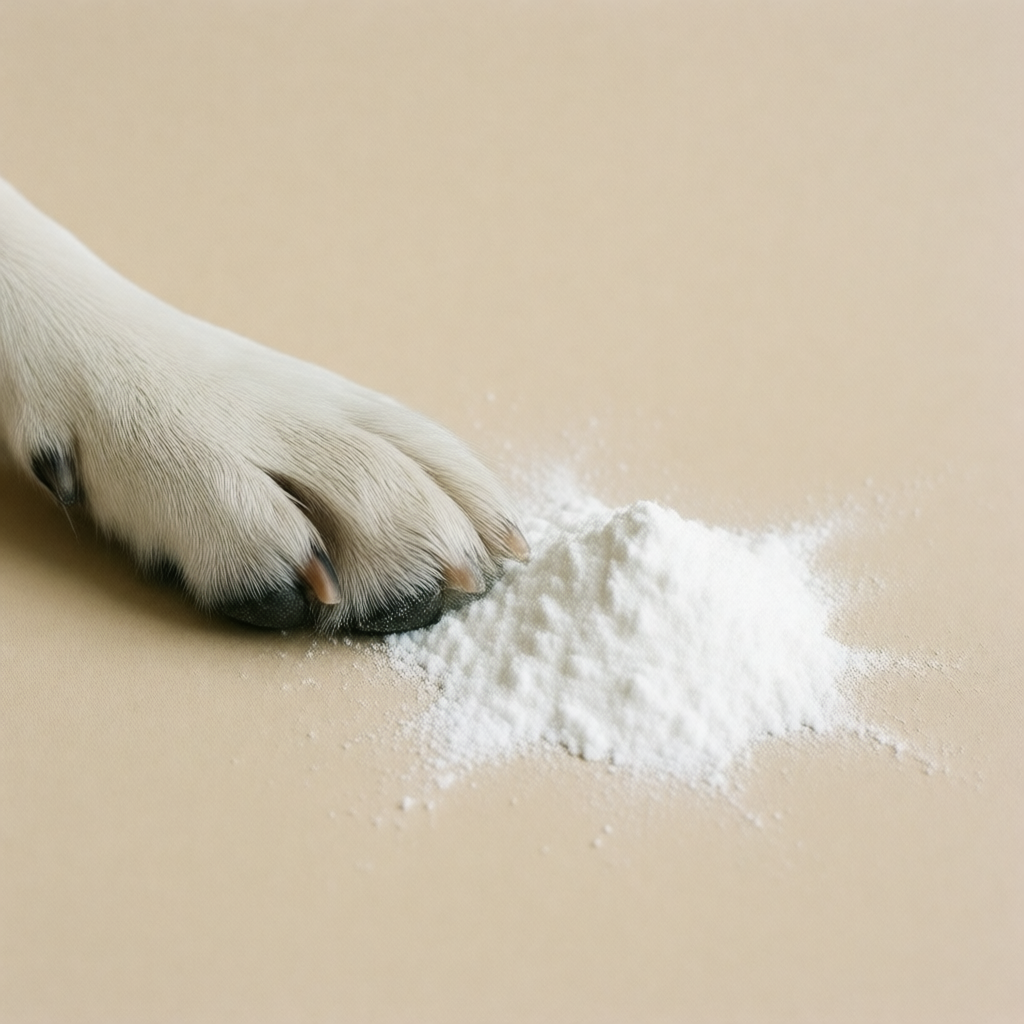
Good news: non-toxic when used correctly. Just avoid inhaling the dust—it’s still irritating to lungs. Apply it in cracks and crevices pets can’t reach, or use protective gear during treatment. One vet even told me, “If your dog eats a pinch, he’ll be fine. Breathe in too much? That’s a different story.”
How to Apply Without the Mess
-
Wear a mask—seriously, don’t skip this.
-
Focus on baseboards, window sills, and pet bedding areas.
-
Reapply after cleaning or rain—DE loses effectiveness when damp.
Is It Worth the Hype? My Take
It’s not a silver bullet, but a solid piece of the puzzle. If you’re eco-conscious and dealing with pests using food grade diatomaceous earth bugs control, pairing it with sealing entry points and cleaning habits helps. Think of it as part of a bigger strategy, not the whole army.
Bottom line: Research matters before buying. Not all powders are created equal—stick to reputable sources labeled “food grade.” And remember, patience pays off here. You won’t see instant results, but steady improvement? That’s the game.
[HTML content with proper tags, data attributes, and styles]Okay, Let’s Talk About That Bag of Dust
So you’ve probably seen it sitting there—maybe you even bought some already. That big bag labeled food grade diatomaceous earth bugs. It promises peace of mind, right? Natural, non-toxic, effective. But honestly, here’s the thing that nobody really puts front and center on the packaging.
When I first tried this stuff, I expected miracles. One sprinkle and boom, gone pests. But my experience wasn’t quite like the brochure. Some days it felt like witchcraft, other times it was total gibberish. And I realized it comes down to understanding exactly what’s happening on a microscopic level.
The Real Talk on When It Works
First off, you need to respect the mechanics of the bug. DE isn't poison in the traditional sense. It’s basically silica shells ground so fine they scratch away at the waxy coating of an insect’s exoskeleton. It dries them out from the inside.
This works great for crawling things that wander through the powder consistently. Think ants marching back and forth over a threshold or cockroaches scurrying across the floorboards at night. If they walk through it and groom themselves, that’s where the magic happens. The key here is dryness. Moisture is the enemy because once the powder clumps together, it loses its texture, and those tiny sharp edges dull instantly.
Also, the type matters. Make sure you’re getting the food grade stuff if you’re using it anywhere near pets or humans. The filter grade is toxic to inhale, which is a whole other nightmare story I’ll save for another day.
And Honestly, Where It Just Fails
If you’re dealing with something that never touches the floor, good luck. Flying insects are basically invisible to DE. Plus, if you’re trying to treat a damp basement corner or a wet potted plant area, forget it. The humidity makes the powder cakey, and suddenly your pest problem doesn't care anymore.
There’s also the misconception that it’s an instant kill. It takes time. We’re talking hours, sometimes days. So if you’re expecting the couch to be dead ants-free after an afternoon dusting, you might get frustrated quickly.
| Scenario | Verdict |
|---|---|
| Dry cracks & crevices | Effective |
| Humid outdoor areas | Ineffective |
| Flying moths | Won't work |
| Carpet beetles (killing larvae) | Works well |
See that table? It sums up my trial-and-error phase perfectly. There were definitely moments I wasted money spraying DE on the wrong surfaces. Once I stopped panicking and started observing where the bugs actually moved, things clicked.
What the Label Ignores
Labels love to boast about "all-natural" solutions, but they gloss over the patience required. You can’t just puff it up and walk away. You have to create a barrier. They won’t tell you that in high-traffic areas, you need to reapply often because vacuuming or foot traffic removes the layer too fast.
It’s a management tool, not a one-time nuke. I prefer thinking of it like setting traps rather than buying poison sprays. Slower, messier, maybe less glamorous, but safer for your family.
Bottom line? Don’t toss everything at the wall hoping it sticks. Use food grade diatomaceous earth bugs for the right job, keep it dry, and give it time. Then you’ll know exactly why some folks swear by it while others think it’s useless.