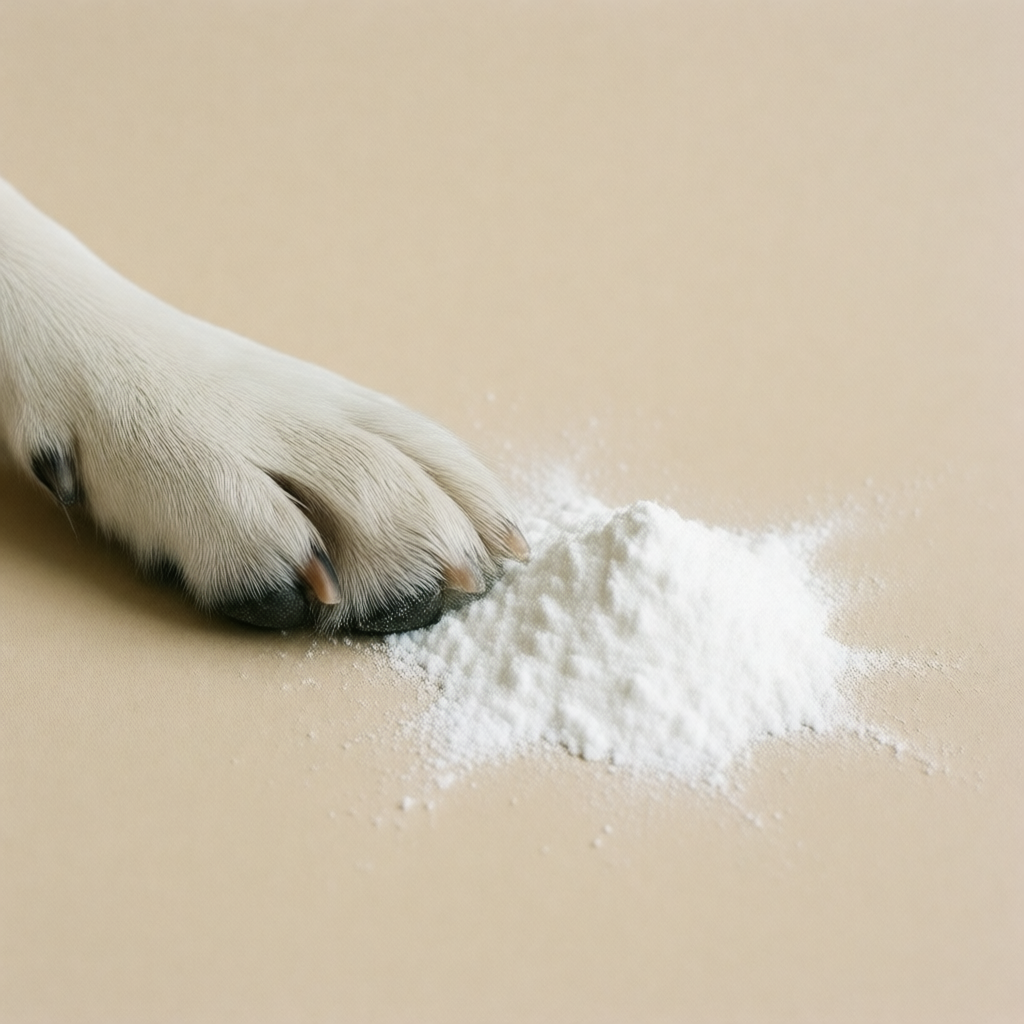
The Dirt on Diatomaceous Earth (Yes, Really)
What Actually Happens When You Apply Diatomaceous Earth in the Coop?
So you've heard about diatomaceous earth powder for chickens, and you're wondering what really happens when you dust it around your coop. Honestly, when I first started doing it, I wasn't sure what to expect either. Let me walk you through what actually goes down.
The Initial Dust Cloud Moment
First things first—be prepared for a bit of a cloud! When you start sprinkling that powdery substance around, it floats everywhere. I had to hold my breath during the first application. My chickens weren't thrilled about it either; they'd squawk and scatter until the dust settled. Worth it? Absolutely. Your future self will thank you once those mites are gone.
What It Does Inside the Coop Walls
Here's where it gets interesting. DE works mechanically, not chemically. Those microscopic fossilized algae particles have sharp edges that cut through the exoskeletons of bugs. So pests like mites, lice, and even some beetles dry out and die. It's kind of gross when you think about it, but nature can be pretty brutal sometimes!
What Changed After I Started Using It
After my first month of treating my coop regularly, the difference was real. Less scratching from my hens. They seemed calmer overall. And honestly, fewer dead birds being pulled out of the dirt after dark is always a good thing. I don't know if DE keeps predators away entirely, but it definitely helps keep their environment less hospitable.
| Application Area | How Often | What to Watch For |
|---|---|---|
| Litter/Bedding | Monthly or when wet | Dust levels, smell |
| Nesting Boxes | Weekly | Buildup, clumping |
| Corners/Walls | Every 2 weeks | Movement near walls |
| Around Coop Perimeter | Once per season | Pest sightings |
One thing I'll warn you about: overuse isn't great either. I made the mistake of covering too much ground at first, and then I realized I was basically turning my whole yard into a whiteout zone. Now I focus on high-risk areas—where the birds roost, nest, and hang out most. That's usually enough.
Is It Safe for the Birds Themselves?
This question comes up a lot. The answer is generally yes—if you're using food-grade diatomaceous earth. Don't use pool-grade DE; that stuff has added chemicals that make it unsafe. Make sure the package says "food grade" before you buy. And yeah, wear a mask yourself so you don't breathe it all in while applying.
At first, I wasn't sure if I should apply it directly on the birds too. Turns out, a little dusting on their feathers won't hurt, especially around the neck and under wings where mites love to hide. But don't go overboard—you don't want a feathered snowman.
So here's the bottom line: diatomaceous earth is one of those low-maintenance, cost-effective solutions that actually does work. It's not magic, but it's close. If you're going to invest time in keeping your flock healthy, this should be part of your regular coop maintenance routine. Just remember—less is more, and safety first.
The Lice Question Nobody Wants to Admit They're Asking
Let's be real: every chicken keeper knows that dread in their gut when they spot something moving near the hen's vent. You want to ignore it, hope it goes away—but let's talk about it. Yes, lice. And yes, there's a natural fix people keep whispering about.
I remember my first panic over red mites. I was convinced my birds were doomed until I stumbled upon diatomaceous earth powder for chickens. Not the fancy garden stuff either—the food-grade kind. Here's what I learned the hard way:
Why Lice Are a Big Deal (And When to Worry)
Those little buggers suck blood and leave feathers ruffled. If your hens aren't laying or seem lethargic, trust your gut. Lice thrive in damp coops, so dry bedding and regular dust baths are your first line of defense.
How DE Actually Works (It's Weirdly Cool)
It scratches their exoskeletons—no chemicals needed.
Safely applied, it won't hurt your flock or soil.
Works best as a prevention, not a cure-all emergency kit.
Here's where I messed up: I sprinkled it haphazardly and got a cloud of dust that made me cough. Lesson? Apply it lightly during coop cleaning. Focus on nesting boxes and roosts where lice hide. A little goes a long way!
What People Don't Tell You
DE isn't magic. If an infestation's severe, you'll still need vet meds. But combined with hygiene, it slashes the problem significantly. My friend once said, "Just buy more chickens!" No thanks—I'm sticking with prevention. Oh, and always wear a mask. Those fine particles aren't great for lungs, yours or theirs.
Bottom line: Lice suck, but knowledge is power. Whether you're a newbie or a backyard veteran, having tools like diatomaceous earth powder for chickens keeps things simple. No drama, no harsh chemicals—just smart care.
What Are Face Cleansing Wipes?
Face cleansing wipes are pre-moistened disposable cloths formulated to clean the skin by removing impurities such as makeup residue, sweat, sunscreen, and environmental pollutants.
...Do Chickens Even Notice?
It's a question I've heard more often than you'd think. People ask if their feathered friends even care when sprinkled with this dusty stuff. Honestly, at first, I wasn't convinced either. Like, do chickens sit there scratching their heads wondering why there's gray dust in their bedding?
What Is This Weird Powder, Anyway?
Diatomaceous earth (DE) isn't magic—it's just ground-up fossilized algae. Super tiny, sharp particles that mess with bugs but won't hurt your birds *if* you use food-grade stuff. I remember my grandma swore by it for mites, and honestly? It worked wonders. But here's the thing: chickens aren't exactly complaining about it.
Safety First, Always
Not all DE is created equal. Industrial-grade? Nope. Food-grade is your go-to—it's clean enough that accidental ingestion won't turn your coop into a health crisis. Wear a mask when handling it too; inhaling dust irritates lungs, mine included. Once? I sneezed so hard I scared three hens off their roost.
How Do People Actually Use It?
Mix it lightly into litter boxes, dust baths, or even feed. Some scatter it around nesting areas to keep pests away. Just don't overdo it—you're aiming for a light coating, not turning your run into a construction site. My buddy Dave spreads it under his trees to stop ants; chickens seem fine with it too.
Do Your Birds Even Care?
Here's the real tea: most chickens don't flinch. They scratch, peck, and move on like nothing happened. I've seen flocks roll through DE-dusted soil and keep acting like normal cluckers. But if they're new to it? Watch for hesitation. A few stopped mid-peck once, shook their heads, then got back to business.
Pro tip: Apply it when they're not nearby. Let them investigate later, curious little detectives.
At the end of the day, diatomaceous earth powder for chickens is a practical tool—not a miracle. Used wisely, it's a solid ally against pesky critters without stressing out your flock. And hey, if they notice it at all? Well, let them stay curious. We're not hiding anything from our birds, are we?