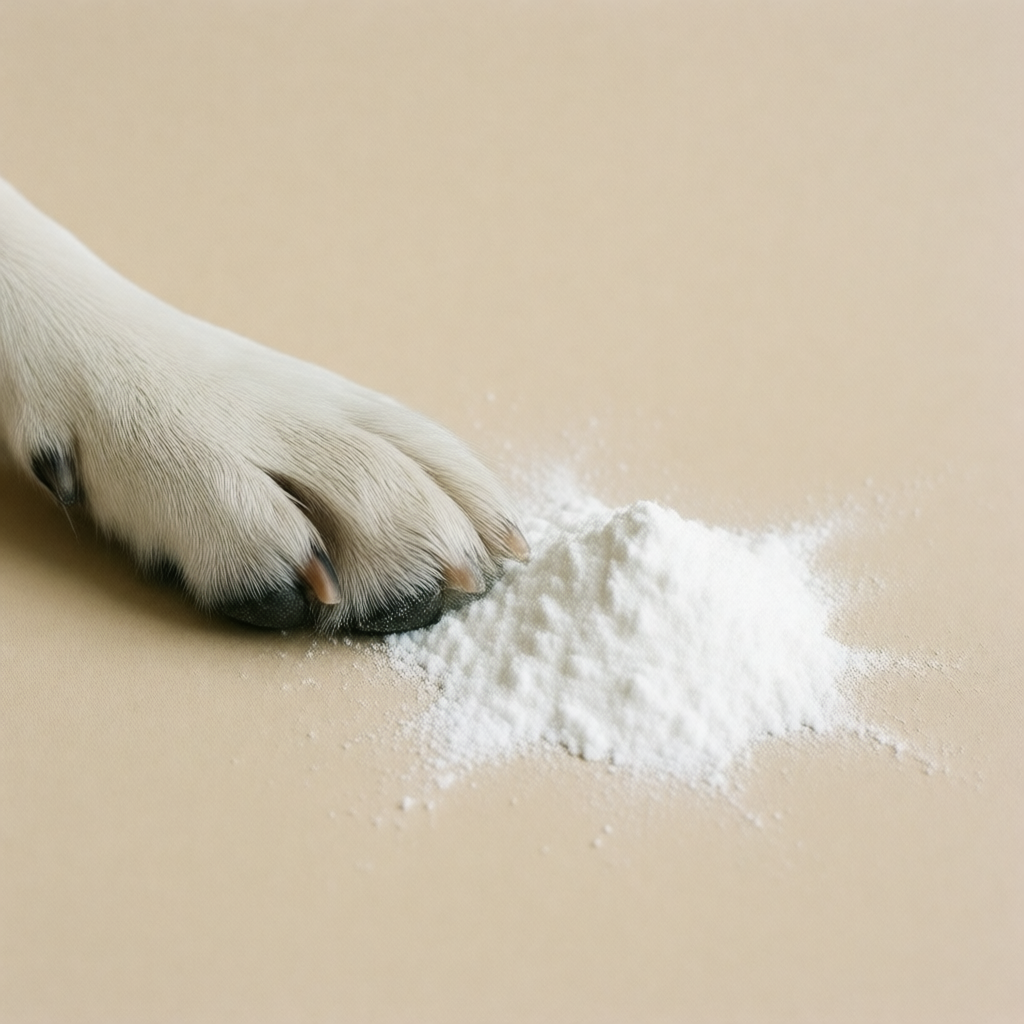
What Everyone Gets Wrong About Diatomaceous Earth and Cats
So, You Want to Use DE Around Your Kitty?
I get it. You’ve probably heard that diatomaceous earth is this amazing natural bug zapper. Maybe your neighbor used it on their dog, or you saw a TikTok video claiming it cures everything from fleas to mold. But here’s the thing—I used to think it was completely harmless too. Until I started digging deeper into whether is food grade diatomaceous earth safe for cats specifically.
There are so many mixed opinions out there. Some people swear by it; others say it's a respiratory nightmare. And honestly? They aren't entirely wrong either. It really comes down to how you handle it. Let’s chat through the basics so you don’t end up making the same mistakes I almost did.
The "Food Grade" Confusion
First off, not all dust is created equal. You absolutely need to stick with "food grade." Yeah, it sounds weird, but industrial DE is basically glass dust designed to scratch surfaces. Eating or breathing that? Bad news. Food grade is gentler because it’s processed differently.
But even if it says food grade, I learned quickly that "safe to eat" doesn't mean "safe to inhale in bulk." When you’re thinking about pets, especially our fluffy friends who groom themselves constantly, we have to consider that paw-to-mouth journey.
Dust Clouds Are the Enemy
Here’s where I messed up initially. I sprinkled some powder directly and instantly created a little cloud. That’s when the coughing started for my own cat. DE works by drying out the exoskeletons of insects, which means it dries out tissues, too. Cat lungs are way more sensitive than mine, and theirs definitely not built for silica clouds.
If you do apply it, do it in a super light layer and avoid windy days outdoors. Better yet, dampen it slightly so it sticks immediately. Think of it as a treatment for carpets, not a shower for your pet. If you can see the powder floating in a sunbeam, you’ve put too much there.
Is it Actually Safe Then?
To answer the big question—is food grade diatomaceous earth safe for cats?—my answer is: mostly, if you're careful. Small amounts on bedding or rugs that dry out are generally fine. They might lick a tiny bit off their fur while cleaning, and that’s usually okay. It’s the constant exposure that causes problems.
Just keep an eye on them. If they start sneezing or acting lethargic after application, wash them off right away. Patience is key. Some vets suggest skipping DE altogether if your cat has asthma or chronic breathing issues. I’d rather be safe than sorry, wouldn’t you?
At the end of the day, nature is powerful, but it’s not magic. Using it responsibly means keeping it away from faces and limiting the dust. Your feline friend will thank you for being cautious!
The Diatomaceous Earth Confusion
Diatomaceous earth (DE) gets thrown around in pet care conversations a lot, especially when someone mentions flea control. But here’s the thing: food grade vs. pool grade DE? Those terms actually mean something important—something you’d never want to mix up with your cat.
I remember panicking once when a “natural” flea powder arrived at my door, only to realize later it wasn’t meant for furry friends. Turns out, not all DE is created equal—and that distinction matters more than you’d think.
Food Grade vs. Pool Grade: Why It Matters
Food grade diatomaceous earth is made from fossilized algae and meets strict safety standards for ingestion. Pool grade DE, though? It’s been heat-treated and chemically altered for filtering systems. Think of it like mixing table salt with rock salt—one’s fine for snacks, the other’s strictly for… well, pools.
Here’s where folks slip up: Some DIY enthusiasts use the same product on humans, animals, and surfaces without checking labels. Bad move. For us asking is food grade diatomaceous earth safe for cats? Yes—but with caveats. Not because DE itself is toxic, but because improper use causes issues.
What Pet Owners Should Know
-
Always check the label. If it doesn’t say food grade, don’t touch it.
-
Apply lightly. A thick cloud = respiratory trouble for whiskered noses.
-
Avoid inhaling dust—even food grade irritates lungs in high concentrations.
Cats groom themselves obsessively, so anything on their fur could get swallowed. While food grade DE won’t poison them in small amounts, chronic exposure or heavy application creates real risks. I’ve seen cases of dry coughing after neighbors used pool-grade DE near pet zones. Yikes.
Bottom line? DE isn’t a magic bullet, and treating all DE the same is a shortcut to mistakes. Stick to food grade, apply cautiously, and watch how your cat reacts. Your vet can always offer tailored advice too!
What Everyone Gets Wrong About Diatomaceous Earth and Cats
I'll be honest — when I first heard someone mention using diatomaceous earth (DE) on their cat for fleas, I did a double-take. Like many of you, I have that moment where my brain goes "Wait, really? Is that safe?"
Today, let's chat about what everyone gets wrong about this product and why is food grade diatomaceous earth safe for cats isn't quite as straightforward as some influencers want us to believe.
First, Let's Talk About What We're Actually Using
Diatomaceous earth is basically fossilized algae. It looks like fine powder, almost like talcum powder. When it touches insects, it dehydrates them. That's how it kills fleas and other pests.
But here's the thing — if it can dehydrate bugs, could it also irritate your cat's lungs? My vet actually raised an eyebrow when I asked this question back in 2021.
The Two Types You Need to Know About
Not all DE is created equal. Here's what matters:
| Type | Best For | Safe for Cats? |
| Food Grade | Occasional pest control | Generally yes, with caution |
| Industrial Grade | Pool filters, construction | Absolutely not |
The Inhalation Risk Nobody Mentions
Cats groom themselves constantly. Apply DE to fur, they lick it off... but during application, that dust clouds up and lands straight into tiny noses and lungs.
I remember watching my own kitty sneeze repeatedly after I tried dusting a small patch near the kitchen floor. Was it permanent damage? Probably not. But was it worth the stress? Definitely not.
When It Might Actually Be Worth Considering
There are situations where DE becomes less risky — like applying it around their bedding or litter area rather than directly on their coat. Even then, I'd still wear a mask myself.
Here's what I tell pet parents: If your cat has allergies, asthma, or breathing issues, skip the DE entirely. Their respiratory systems are way more delicate than we realize.
Alternatives That Work Better Anyway
Modern flea prevention is actually pretty good these days. Many vets will recommend products that are safer and far more effective than powders that make us nervous.
At the end of the day, do your research before applying anything to your furry family member. And honestly? When in doubt, just ask your vet who knows YOUR cat best.
What works for someone else's cat might not work for yours. Trust your instincts, trust your vet, and don't be afraid to say no to trendy solutions that feel sketchy. ❤️
Let's Talk About DE and Your Feline Friend
So you're looking into diatomaceous earth (DE) for your cat, huh? Yeah, I get it. There's been all kinds of buzz about using DE as a natural way to handle fleas, ticks, and other pests. But here's the thing—I've seen so many pet owners make mistakes that honestly make me nervous when I see them online.
I mean, before I really dove into this, is food grade diatomaceous earth safe for cats? That was my question too. Honestly, the internet gives us mixed signals, which isn't helping anyone figure out what's actually right for our fuzzy companions.
Okay, So What Exactly Is This Stuff?
Diatomaceous earth comes from these tiny fossilized aquatic organisms—think microscopic algae shells. It's ground up into a fine powder. Natural, chemical-free... or so they tell you. And yeah, if you buy food grade, not industrial grade stuff (big difference!), then generally speaking, it's considered non-toxic.
But—and here's where things get tricky—that doesn't mean it's automatically safe to just dust everywhere around your kitty without thinking.
When You Should Use It
Alright, let me walk you through when DE actually works in your favor:
-
Outdoor spaces—like garden beds where fleas hang out
Carpet areas your cat rarely touches
Short-term applications away from direct contact
See? There's definitely room for it when you're being thoughtful about how and where you use it. Just keep it away from their breathing zones and faces. Nobody wants powdery eyes, am I right?
Why Do People Love It Anyway?
Honestly, I think folks turn to DE because they want something natural. No harsh chemicals, no scary side effects—or so the marketing tells you. And while food grade diatomaceous earth does check those boxes compared to synthetic pesticides, we can't ignore the practical realities.
My biggest worry? Respiratory issues. Cats have sensitive lungs, and inhaling fine particles? Not great. Also, dryness—if it gets on their skin and fur too much, it could cause irritation. I learned this the hard way watching a friend's cat scratch constantly after trying DE on bedding.
When You Should Definitely Run Away
Here's when I'd tell you to skip the whole experiment altogether:
-
If your cat has respiratory conditions already
Indoor areas with poor ventilation
Direct application on or near your cat
For long-term continuous use
At first, I wasn't sure if I was being overly cautious either. But then I realized—I'm talking about a living creature that relies completely on me to do what's best for them. Guessing isn't gonna cut it.
What I Actually Recommend Instead
Before throwing caution to the wind with any treatment method, consider these options first:
Talk to your vet! Yeah, yeah, I know that sounds obvious—but seriously. Most vets are happy to discuss natural alternatives if you ask nicely. Plus, some medications work better and safer than DIY approaches ever could.
Also, prevention beats reaction every time. Regular grooming, keeping living spaces clean, and knowing when those pesky fleas are most active will save you more headache than any powder ever could.
Bottom Line Thoughts
Look, is food grade diatomaceous earth safe for cats? Sometimes, yes. But only with careful thought, smart placement, and good judgment about when to hold off. Don't let someone else's success story convince you it's perfect for your situation.
Your cat's health matters more than saving a few dollars or having a quick fix solution. If something feels off, trust your gut. And if you're ever unsure? There's absolutely no shame in asking a professional who cares about your pet.
After all, nobody loves their furbaby quite like you do. Let's keep that love backed by solid choices.
Why Am I Hearing So Much About Diatomaceous Earth?
Honestly, when I first started seeing pet owners talk about diatomaceous earth (DE) for fleas and pests, I was curious too. But then came the whispers: "Is food grade diatomaceous earth safe for cats?" Turns out, most folks miss the fine print.
The "Safe" Label Trap
Food grade DE gets its name because it's meant for human consumption in small amounts—think grain storage or supplements. But apply it carelessly around your furry friend, and you've got airborne dust clouds. Even "safe" powders become hazards when inhaled repeatedly. That silicate dust? It's rough on tiny lungs.
A Real-Life Wake-Up Call
I once watched my cousin sprinkle DE near her cat's bedding. Within days, her tabby developed sneezing fits. Vet visit later, we learned it wasn't DE itself—it was the *method*. Spraying dry powder creates invisible particles that stick to whiskers and get breathed in. Oops!
Simple Fixes That Matter
Here's what worked for us: Apply DE with a brush directly to carpet fibers, not the air. Wear a mask during application. Keep cats away until vacuumed thoroughly. And always choose food grade—but remember, "food grade" isn't a free pass to sprinkle freely. Context matters more than labels.
At the end of the day, diatomaceous earth can work for homes with cats. Just treat it like cleaning bleach: useful, but respect the dangers. Your pet's health isn't worth risking over convenience.