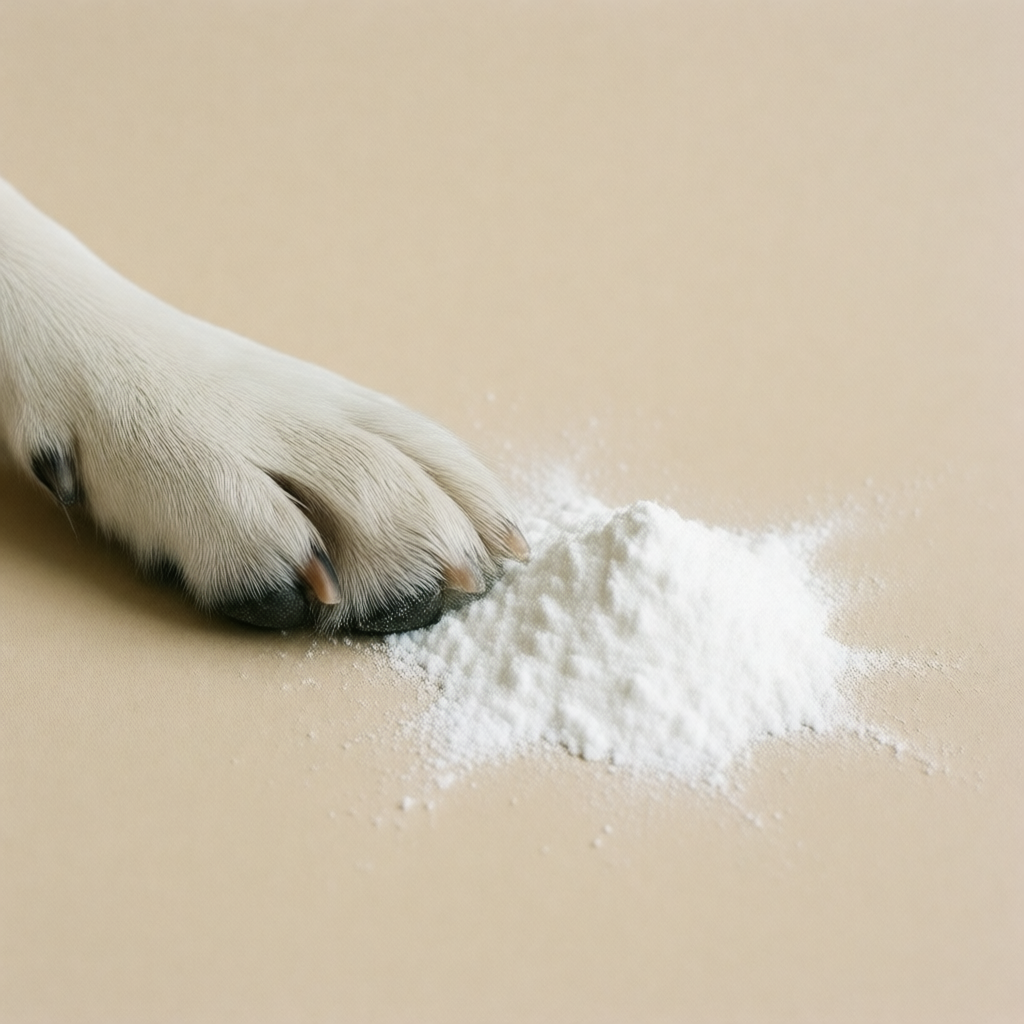
Diatomaceous Earth for Ticks and Fleas: Does It Really Work (Or Just Hype)?
So, You’re Curious About Diatomaceous Earth?
If you’ve been searching for natural ways to handle ticks and fleas, chances are you’ve stumbled across diatomaceous earth. But here’s the kicker: not all powders are created equal. When I first read about its pest-fighting powers, I was skeptical. After all, how does something so… dusty actually kill bugs?
The Nitty-Gritty: What Makes DE Different?
Diatomaceous earth isn’t just another name-brand product. It’s made from fossilized algae, basically tiny microscopic shells. But here’s where things get tricky: there’s food-grade DE and regular DE. Food-grade? That’s the one safe enough to eat (technically). Regular DE? Industrial grade, meant for filters or pool cleaners. Using the wrong kind could put you or your pets at risk.
How Does It Actually Kill Bugs?
Picture this: when pests walk through DE, the fine powder clings to their exoskeletons. Over time, it absorbs oils and dehydrates them. Slow death, no poison involved. But wait—does it work on *all* stages of ticks and fleas? Not exactly. Eggs often survive, so consistency matters more than magic dust.
Sprinkle With Caution: Safety First
I once tried spreading DE in my garden without realizing how pervasive the cloud was. Coughing fit to bust ribs later, I learned my lesson. Wear masks around kids or pets who’d inhale it. And never apply it near water sources—DE clogs aquatic life’s gills. Oops. Oh, and double-check “food-grade” labels. Some cheap brands cut corners!
Does It Outshine Other Methods?
For light infestations, DE + good hygiene (like vacuuming floors) works wonders. But heavy flea/tick trouble? Might need stronger solutions. One friend swore by it until her dog developed irritated paws. Turns out, overuse was the culprit. Moderation is key.
The Verdict: Worth the Effort?
If you want eco-friendly, non-toxic options for mild cases, yes! But don’t expect overnight miracles. Test small areas first. Read labels. Pair it with cleaning routines. And if things worsen? Call a pro. Because honestly? Peace of mind beats saving a few bucks.
What's the Deal With Diatomaceous Earth?
So you've heard folks raving about diatomaceous earth for ticks and fleas, right? I was in the same boat last summer when my dog kept shaking off creepy crawlies in the yard. At first, I wasn't convinced—sounds almost too good to be true. But after digging into it, here's what I found out. It's not magic dust, but it's got some serious potential if used right.
How Does It Actually Work?
Think of diatomaceous earth like microscopic glass shards. When bugs like ticks and fleas walk over it, those tiny particles scratch their protective outer layers. Eventually, they dehydrate and, well… don't bother us anymore. Simple stuff! But here's the catch: it has to be the *right kind*. Food-grade only—no pool filter junk. I learned this the hard way when my cat started sneezing near a garden pile I bought online.
Where to Sprinkle It Liberally
Your backyard is where this stuff shines. Dust it along fence lines, under decks, or in shady spots where pests love lounging. If you get ticks in your grass, sprinkle thin layers in high-risk zones every few weeks. For fleas, hit pet bedding, carpets, even baseboards—but keep pets away until it settles. One neighbor told me she mixed it with water and sprayed it around her flower beds. Not sure I'd recommend that, though; wet DE loses its bite fast.
Where to Skip It Completely
Indoors? Proceed with caution. Breathing it in isn't great for anyone—humans or pets alike. Don't sprinkle it near their food bowls either; accidental ingestion could irritate their stomachs. And forget using it directly on furry friends. Some holistic vets say yes, others scream no. I let my pup lick his paws once after applying it to the couch, and he ended up with a tummy ache. Yikes!
Does It Outperform Other Methods?
Honestly? Not alone. After two months of regular DE use, my flea counts dropped but didn't vanish. I switched to combining it with a vet-approved collar instead. Think of it as a backup plan, not a silver bullet. The big plus? It's chemical-free and budget-friendly compared to monthly preventatives. Still, don't expect instant results. This stuff works slowly, like a patient gardener weeding the plot week by week.
Bottom line: Diatomaceous earth ticks and fleas treatment is legit for outdoor control, but patience and smart placement matter. Always prioritize safety around your pets and test small areas first. Maybe try a patch of lawn before dumping it everywhere—if your green thumb survives, so will your yard pest situation.
So... Does It Actually Work?
Let's cut to the chase: diatomaceous earth can work against ticks and fleas, but it's not a magic wand. I tried it after my dog got infested last summer, and honestly? Mixed results.
Slow but steady action
Works best in dry conditions
Needs direct contact with pests
Here's the thing: food-grade DE kills insects by drying them out on contact. No chemicals, just microscopic sharp particles. Pretty cool nature hack, right?
When Will I See Results?
I wish I could promise you overnight miracles, but real talk: expect 2-3 days before any noticeable drop in flea numbers. For ticks? Might take up to a week. Here's why:
| Treatment Area | Expected Timeline |
| Indoor carpets | 3-5 days |
| Outdoor pets | Up to 7 days |
| Yard treatment | 5-10 days |
Things That Affect Speed
Humidity killed my DE treatment faster than I wanted - turned into clumpy dust that barely stuck to anything. Wind? Nope. And forget trying this during rain. Dry weather = your best friend here.
Also, don't skimp on coverage. I missed a patch behind the couch once and guess what? Those sneaky fleas came back doubled down next week.
Safety First!
Only use FOOD-GRADE DE around pets/kids. Regular pool-grade stuff? Yikes - way too harsh. Wear a mask when applying, trust me. Dust in lungs ain't nobody's idea of fun.
My cat sneezed after her blanket got dusty once. She's fine now, but that scared straight! Never skip precautions.
When to Call Pros
If you've tried DE twice with zero progress, maybe it's time to call pest control heavy hitters. Some infestations need stronger ammo. Don't waste months hoping something mild will work wonders.
My Honest Take
Is DE perfect? Nah. Is it worth trying? Absolutely. Just manage expectations. It's a slow burn, not fireworks. Pair it with regular washing of pet bedding and vacuuming, and you're golden.
Why Are You Even Asking About Diatomaceous Earth?
Alright, let’s cut to the chase. If you’re here, you’ve probably got ticks or fleas crawling around your yard—or worse, on your pup. And somewhere along the way, you heard that diatomaceous earth (DE) might be a solution. But here’s the thing: does it actually work, or is it just another trendy fix?
What Even *Is* Diatomaceous Earth?
Picture this: tiny, ancient algae fossils. That’s basically what DE is—powdered up fossilized plankton. Food-grade DE (and only that!) is safe for humans and pets when used right. Industrial DE? Not so much. Don’t go sprinkling the wrong stuff near your dog’s bowl.
How Does It Kill Ticks and Fleas?
Here’s where it gets cool. DE doesn’t poison bugs. It’s physical, baby! When critters walk through it, the powder scrapes their waxy coating, drying them out. No moisture = no bug. Kinda like nature’s desiccant. But here’s the catch: it only works on contact. No magic barrier.
-
Non-toxic once settled
-
No chemical residues
Does It Actually Work?
Short answer: yes, but... 🤷♂️. Studies show it kills ticks and fleas over time, but it’s slow. Unlike sprays that zap bugs in minutes, DE takes days. And rain washes it away instantly. So timing and placement matter big time.
Is DE Safe Around Pets?
Food-grade DE is low-risk, but wear a mask when applying. Dust inhalation = cough city. Keep animals off wet areas until dry. Oh, and never use crystalline silica—stick to amorphous, food-grade stuff.
How to Apply Without Wasting Your Time
Lightly dust yards, baseboards, pet bedding—but avoid blowing clouds of dust. A duster works better than pouring it. Reapply after rain. Think of it as a long-term strategy, not a miracle spray.
Final Thoughts
So, DE for ticks and fleas? It’s legit, but not a silver bullet. Best combined with regular vet checks, flea collars, and yard maintenance. Use wisely, and you’ll thank yourself later. No hype, just real talk!