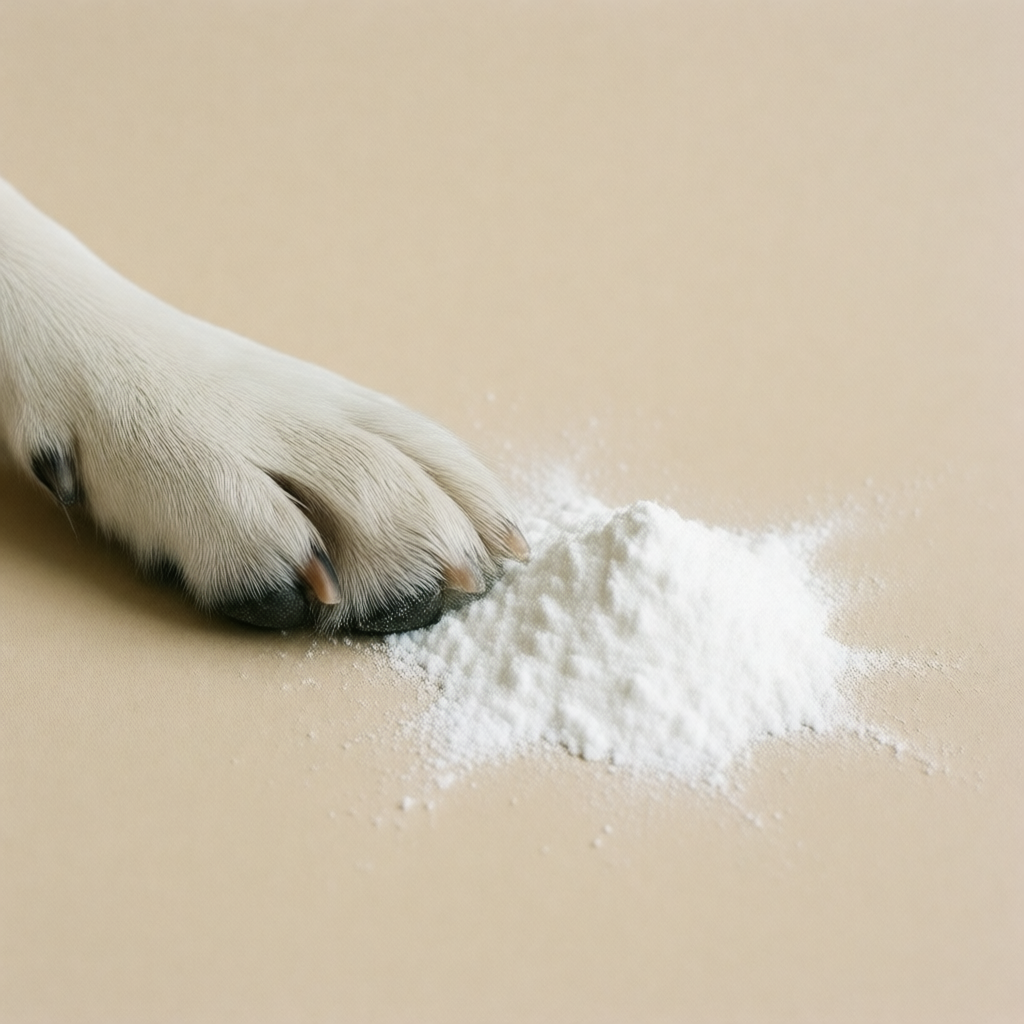
My First Mistake With DE: Why I Thought It Was Magic (and Wasn’t)
My DE Journey: From Excitement to Realization
I still remember finding that little bottle of diatomaceous earth online late one night, buzzing with excitement. I'd heard whispers about its "magic" properties—from pest control to detoxifying my gut. Naturally, I dove in headfirst, convinced I'd stumbled onto some kind of health hack. Turns out, I was mixing up some serious stuff.
What Even Is Diatomaceous Earth?
Diatomaceous earth (DE) is basically crushed fossilized algae. Super fine powder, right? People use it for all sorts of things—gardening, cleaning, even adding to smoothies. But here's where I went wrong: I didn't realize there are different types, and not all of them are safe for eating. Oh boy.
The Food Grade vs. Non-Food Grade Mix-Up
I thought any DE was good stuff. Nope! The stuff you sprinkle around your garden? Not the same as food grade diatomaceous earth for humans. Mine had chemicals added to make it stickier for pests, and yeah… ingesting that was a bad call. Learned that lesson quickly when I felt weird afterward. Whoops.
Why It Feels Magical (At First)
Here's the thing: people talk about DE curing everything from parasites to allergies. I tried it in water, brushed my teeth with it—nothing crazy happened. No glowing skin, no sudden weight loss. Just a gritty texture and a slightly bitter taste. The hype was real, but the results weren't. At least not for me anyway.
Where I Got Confused
Some influencers swear by DE for gut health. But wait—if you're not using food-grade, you could irritate your throat or stomach lining. And even with food-grade? It's not a miracle worker. My digestion stayed exactly the same. It works wonders in the garden, sure, but inside the body? Meh.
Lessons I Wish I Knew Earlier
If you're reading this, please read labels. Seriously. Look for the "food grade" tag and buy from trusted sources. And for the love of coffee, skip the experiment-with-your-digestion thing unless you've talked to a doctor first. I'm okay now, but my poor tummy suffered through a week of awkward questions.
DIY fixes sound tempting, but some things shouldn't be DIY-ed. DE has uses—just not the ones I thought. Stick to the basics: treat your body kindly, do your research, and don't trust a stranger's TikTok bio over a pharmacist's advice. Been there, did that. You're welcome.
So, What Even Is This Diatomaceous Earth Stuff?
Okay, real talk here—I went down a rabbit hole about three years ago when everyone online was swearing by food grade diatomaceous earth for humans. And honestly? At first, I believed every bit of it.
The claims were wild:
-
Clears your parasites overnight
-
Boosts hair growth
-
Detoxes everything from your gut
Sounds like magic, right? But let me tell you how quickly reality hit.
The Moment I Bought It Like A Fool
I remember the day clearly—scrolling through forums late at night, convinced I had finally found THE answer. No more supplements, no more prescriptions... just this powder.
Here's the thing nobody really tells you: there's a difference between industrial-grade DE and the stuff meant for human consumption. Industrial stuff has chemicals added, silica treated... not something you want eating daily.
What Actually Happened When I Took It
First week? Nothing. Second week? Still nothing exciting, except some weird digestive rumbling. By week three, I was starting to wonder if all those testimonials were genuine.
Then I started digging into research myself. Turns out, food grade diatomaceous earth for humans does have legitimate uses, but it's not quite the miracle product I'd imagined.
So Where Does The Truth Lie?
Look, I'm not here to trash the whole concept. DE can be useful—parasite support, gut health help, things like that. But the key is understanding what it actually does versus what influencers claim.
The magic isn't in the powder itself. It's in consistency, proper sourcing, and most importantly—managing expectations.
What I Learned From My Mess-Up
After all this, I still believe there's value in food grade diatomaceous earth for humans, but only when you approach it the right way. Here's what I wish I knew back then:
-
Check the label carefully
-
Start with small doses
-
Consult with healthcare providers
-
Don't expect overnight miracles
And please—for the love of sanity—don't eat it dry. Mix it with water, juice, or smoothie. I learned that the hard way too.
Final Thoughts From Someone Who Fell For It
Was my mistake stupid? In hindsight, maybe. But it taught me something valuable: always question the hype and do your own research before buying into trends.
Food grade diatomaceous earth for humans can work—if used correctly. But don't let anyone convince you it's a cure-all solution. Your body deserves nuance, not shortcuts.
Hope this saves someone else the trip down the same path. Cheers! 🥂
The Allure of the Dust That Bites Back
Let’s be honest for a second. A couple of years ago, I found myself scrolling through wellness forums late at night, and I saw it everywhere. People raving about this powder called diatomaceous earth. They said it could detox your gut, help with digestion, and even clear up skin issues just by mixing a spoonful into your morning smoothie. I mean, really? It sounded too good to be true, but honestly? I wanted it to be true.
So, I bought some. You know the stuff—the bag labeled food grade diatomaceous earth for humans. I started taking it religiously. For weeks, I felt great. Not necessarily better, just... doing something. Then I hit a wall.
What Real Studies Actually Say
When I finally stopped googling random testimonials and looked at peer-reviewed science, things got complicated. The data isn't exactly screaming for "magic cures." There are some interesting findings, mostly involving pests and agriculture, but when we talk about us drinking the powder?
Studies show that DE works wonders as an abrasive against certain parasites in livestock. It damages the exoskeletons of bugs. That part is physical fact. Some small-scale human trials suggested potential benefits for cholesterol levels, but these were tiny groups and short durations. And here’s the kicker—it doesn't just kill bugs. It can irritate lungs if you inhale it, and it absorbs water. So, yes, it can absorb things in your digestive tract too.
It works mechanically, not magically.
Short-term use looks okay, maybe even helpful.
There is absolutely no massive clinical trial proving long-term human health benefits.
At first, I wasn't sure how to feel. It made me think I hadn't just wasted money, but potentially ignored a subtle risk. If it strips lipids to fight bugs, does it mess with your nutrient absorption over time?
Where the Data Goes Missing
This is the part that kept me up more than the initial marketing hype ever did. When you dig into the research archives, there are huge holes. We see studies on soil treatment, studies on bug control in grain storage, and some pilot programs on horses. But rigorous, decades-long human consumption studies? Those numbers are basically non-existent.
Without that long-term data, everything relies on anecdote. And if you've been around the internet long enough, you know anecdotes are slippery fish. I remember thinking, "Well, it's in our ancestors' diet historically," but then again, they weren't drinking a daily dose of concentrated silica powder every single morning for thirty years.
Is it toxic? Probably not immediately. Is it benign? Maybe. But the silence on the medical community's official stance for high-dose supplementation is pretty loud.
Taking It Home (Literally)
Now, I don't expect everyone to listen to me, especially since I'm just a regular person who learned the hard way. But if you're curious about jumping onto the food grade diatomaceous earth for humans train, maybe pause. Look beyond the shiny labels.
It's okay to enjoy healthy habits, but sometimes we buy into narratives faster than the evidence supports them. If you do try it, start slow. Pay attention to your body. And most importantly, keep an eye out for new info.
Sometimes, realizing something isn't magic is the first step toward finding what actually works for you.
Okay, Let Me Start With This
So here I am, holding this big can of white powder, and I thought I'd stumbled onto something magical. Spoiler alert: I was way off. But hey, at least I learned the hard way instead of wasting my time and money like so many others probably did.
What Actually Made Me Buy It?
I had just moved into a place with a few too many bugs crawling around. My roommate swore by this stuff called diatomaceous earth, and honestly, desperation made me open-minded. Everyone kept saying it worked wonders, so naturally, I bought one can expecting miracles.
Here's what nobody tells you when you're reading those glowing reviews: there are different grades. And boy, does that matter.
The Type of DE You're Looking For
Food grade diatomaceous earth for humans is the kind you actually want. If you buy the wrong type—like the pool-grade version—you might end up with some serious health risks. I didn't realize this until after I'd already spent my money, and let me tell you, that stung more than a bug bite ever could.
When I went back to read labels, I found out that industrial or pool-grade DE contains crystalline silica, which you really don't want breathing in or putting around your food prep areas. Yikes. I'm glad I checked eventually.
How Much Do You Really Need?
Speaking of learning things the hard way—I bought way too much. Like, seriously. One can doesn't last forever. And I didn't know whether I needed a pound or five pounds for my little apartment. Turned out I used most of it within two months, and now I'm sitting on leftover DE that I'm not even sure how to store anymore.
If you're dealing with a small infestation, maybe start with half a bag and see how it goes. Don't feel pressured to stockpile unless you've been doing pest control for a while.
What DE Actually Does (And Doesn't)
This stuff isn't poison, and it doesn't work overnight like some pesticides. It physically damages the outer shells of insects. So if you put it down today, you won't wake up tomorrow with zero ants marching across your counter.
Give it at least a week or two. Be patient. That's where people get frustrated—they expect instant results and then blame the product when nothing happens immediately. Not fair to DE, honestly.
Where I Used It Wrong
I threw it everywhere because I wanted maximum coverage. Dusting cabinets, floors, baseboards—the whole kitchen seemed fair game. But then I realized I had a tiny bit everywhere that wasn't helping. Sometimes less is more.
Focus on entry points and high-traffic pest zones. Don't go sprinkling all over every surface just because you think it can't hurt. Even though it's supposed to be safe, unnecessary exposure to any powder isn't something I'd recommend.
Would I do it differently next time? Absolutely. I'd research more thoroughly, ask questions before buying, and maybe test a smaller amount first. Those simple steps would have saved me a lot of frustration.
If you're thinking about trying food grade diatomaceous earth for humans, take my advice from someone who messed up: read labels carefully, don't rush, and manage your expectations. It works, just not quite like magic.
My Dream Became Reality… Until It Didn’t
I’ll admit it—I stumbled hard. Like most people, I heard diatomaceous earth was some kind of natural miracle worker. I convinced myself it’d replace every toxic chemical in my cleaning cabinet. Spoiler alert: that was the moment I skipped the fine print. Turns out, not all DE is created equal.
The Day I Bought “Magic Dust”
Picture this: Me, browsing Etsy late at night, mesmerized by videos showing DE killing pests instantly. I ordered a big bag labeled “organic.” No questions asked. When I sprinkled it around my kitchen to repel ants, nothing happened. Then I tried mixing it with water to drink for digestion (yes, yes—naive). Result? Dry coughs and regret. Whoops.
Why “Natural” Doesn’t Always Mean Safe
Here’s the thing nobody warned me about: DE comes in grades. The stuff meant for swimming pools? Industrial. Toxic if ingested. What I needed was food grade diatomaceous earth for humans—cleaned, tested, and safe. Mixing them up? Yeah, that was a rookie move.
Pesticide-treated DE = dangerous
Food grade = non-toxic when used properly
Breathing dust can irritate lungs even with food-grade
| DE Grades Compared | |
|---|---|
| Type | Human Safety |
| Food Grade | Safe in moderation |
| Industrial | Toxic if inhaled/eaten |
Lessons Learned the Hard Way
If you’re reading this after making the same error, please don’t panic. I still use food grade diatomaceous earth for humans now—but cautiously. Read labels like a detective. Wear masks when handling powder. And never assume “natural” equals harmless. Some things still require science-backed research, even over a midnight snack run.