Stuck with Gnats? Diatomaceous Earth Can Help—Here’s How to Use It Right
Wait—Why Are Gnats Still Here?
You know that feeling? You've cleaned up, you've set out traps, maybe even used some spray, and yet... those tiny buzzers are still there. It's like they're laughing at you. I was there last summer, honestly wondering if I was losing my mind.
Here's the thing I learned the hard way: gnats are sneaky. They don't just appear—they breed fast. And unless you hit their source, no amount of surface cleaning is going to cut it.
Where Are They Actually Hiding?
Most people think cleaning visible areas is enough. But gnats love moisture. Think overwatered plants, drains, damp soil, fruit bowls left out too long. Their eggs are microscopic, which means even a quick glance won't catch them.
At first, I wasn't sure what was happening. Then someone mentioned diatomaceous earth. I'd heard the term but had no idea how it worked—or if it was worth trying.
Diatomaceous Earth: What Is It Anyway?
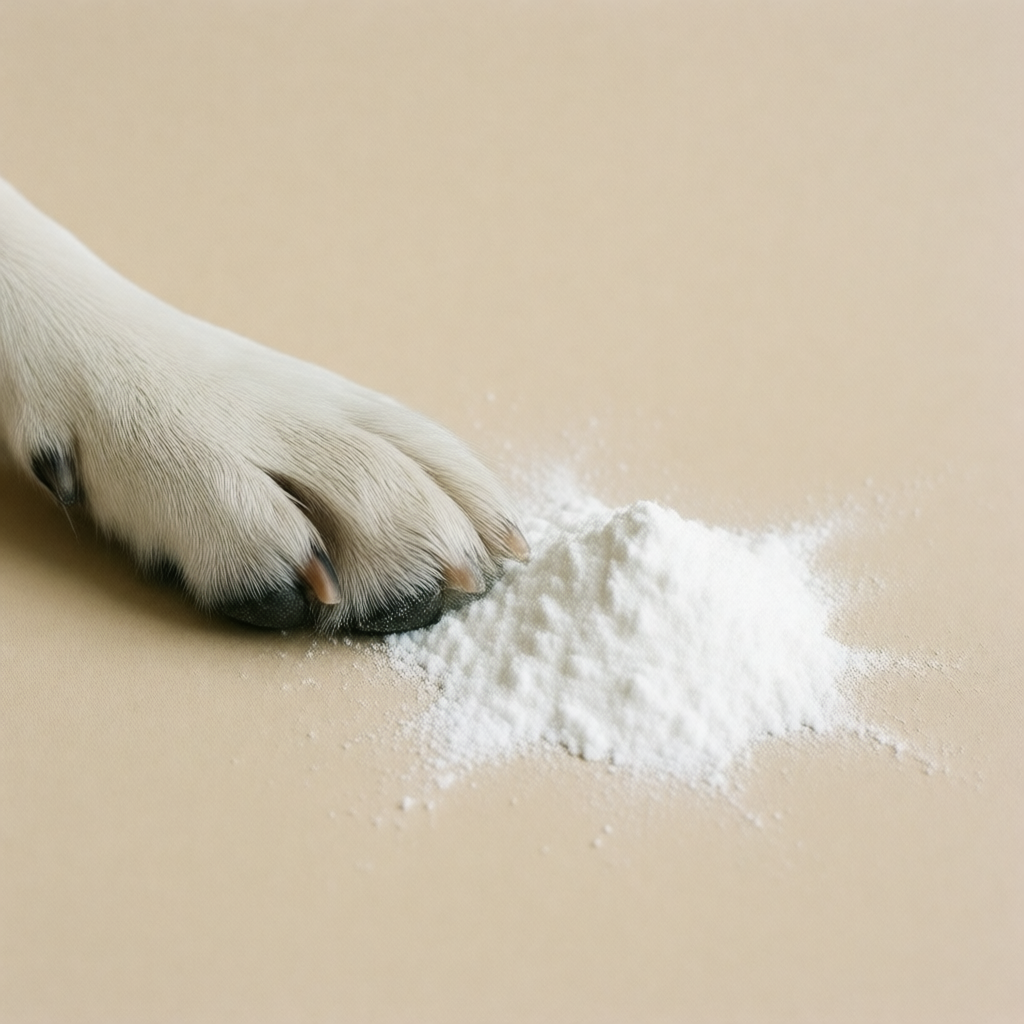
So here's what clicked for me: diatomaceous earth (DE) isn't some harsh chemical spray. It's actually fossilized algae. When gnats step on it, the powder damages their outer shell, and they dehydrate. Simple stuff, really—but super effective.
I got a little nervous at first. I wondered if it was safe around pets and kids. Turns out, food-grade DE is totally fine. Just keep it away from your face when applying—that dusty powder can be annoying if you breathe it in.
How to Get Rid of Gnats With Diatomaceous Earth
Okay, let's talk about how to get rid of gnats with diatomaceous earth. First, you want to find where they're breeding. Check your potted plants—moist soil is basically an open invitation for gnats to hang out.
-
Step 1: Let the soil dry out a bit between watering.
-
Step 2: Sprinkle a thin layer of DE on top of the soil.
-
Step 3: Reapply after rain or heavy watering—it gets washed away easily.
This is where timing matters. If you're dealing with adult gnats, you might also want to set some yellow sticky traps nearby. Those things will catch anything flying around while the DE does its work down below.
What Happened After I Tried This?
Honestly, I didn't expect miracles overnight. Day one: same gnats buzzing around. Day three: noticeably fewer. By day seven, I barely saw any. My housemate actually said, "Did you do something different?" That's when I knew it was working.
The key is patience and consistency. Gnats have short life cycles, so breaking their cycle early makes all the difference. Once you see fewer adults, keep treating for another week or two just to be sure you caught the next generation.
Bottom Line: Prevention Is Key
Look, gnats aren't going anywhere completely. You can minimize them pretty well with good habits—don't leave wet dishes out, fix leaky faucets, maybe even run a fan near entry points when doors are open.
But if they do show up again, now you know the drill. Food-grade diatomaceous earth, applied right, works better than most sprays without all the toxic fumes. Plus, it's cheap and easy to find at any gardening store.
I wish someone told me this sooner. Maybe you'll save yourself a week or two of frustration. Either way, feel free to drop a comment if you have other tricks that worked for you—I'm always looking for new ideas!
What’s Bugging You?
Let’s be real—nothing ruins a picnic or ruins your peace of mind like tiny flying pests. When my kitchen got infested last summer, I panicked. Bought every spray and trap, but how to get rid of gnats with diatomaceous earth? I stumbled onto this trick after a neighbor’s advice. Turns out, it’s way simpler than buying another plastic trap.
Why DE Works Wonders
Diatomaceous earth isn’t magic—it’s science. Those fine white powders? Made from ancient algae skeletons. When gnats walk through it, the microscopic edges shred their waxy outer layer. Dehydration happens fast. They’ll shrivel up within hours. No toxins, no fuss. Just nature’s version of Velcro for bugs.
Food Grade Only
Wait—don’t grab industrial-grade dust! Always pick food grade. It’s safe around pets and plants. Industrial versions have sharp additives that could harm your skin or lungs. Stick to labels that say “for home use.” Trust me, I learned this the hard way after a sneezing fit.
Step-by-Step Application
Sprinkle lightly. Yes, light. Think “powdered sugar” consistency over problem spots—near trash cans, plant saucers, window sills. For floor cracks, press the powder in gently. It sticks better there. Avoid misting or shaking clouds into the air. We want minimal inhalation risk.
-
Use gloves for messy areas
-
Vacuum residue weekly
-
Reapply after rain or mopping
Don’t forget hidden spots: under fridge coils, drain traps, even pet bowls. Gnats breed in moisture—dry out surfaces first. Combine DE with vinegar traps for stubborn cases. It’s like setting both alarms and deadbolts.
Safety First, Always
Wear masks if spreading large amounts. Keep kids/pets away during initial application. Once settled, they’re mostly safe. One time, my dog licked a patch near his bed—he was fine, but still, caution wins. And never confuse DE with baking soda! Different purposes.
When to Call Pros
If infestations persist beyond 2 weeks, something’s wrong. Could be stagnant water, rotting fruit you missed, or drainage issues. DE treats symptoms, not root causes. Sometimes, a leaky faucet invites more trouble than any bug spray ever could.
Honestly, I doubted DE at first. Thought it’d be ineffective compared to chemicals. But watching those gnats drop off one by one? Priceless. Try it once—you might become a believer. Let me know how it goes!
Why Gnats Are So Frustrating (and Why DE Works)
Let’s cut to the chase: if you’re here because you’re tired of pesky gnats taking over your space, I’ve got you covered. And yes, diatomaceous earth (DE) is a solid option—but using it without creating a dusty cloud is the real trick.
Those little flies love damp soil and rotting fruit, multiplying faster than you can swat them. DE works by clinging to their exoskeletons and drying them out over time. It’s non-toxic, pet-safe once settled, and leaves no chemical residue. The catch? Improper application turns your space into a desert landscape of powder.
Prep Like a Pro (Skip the Dust Storm)
I once applied DE in haste and regretted it immediately. A thick fog of powder drifted everywhere, settling on my cat’s fur and my coffee mug. Before starting, wear a mask (yes, really) and open windows for airflow. Cover nearby furniture with a drop cloth—even a single speck on dark fabric is noticeable.
-
Food-grade DE powder
-
Dust-applicator bottle
-
Soft brush for corners
Application: The Light Touch Matters
Think whisper-light coverage. Sprinkle DE thinly across soil surfaces or along baseboards. A squeeze bottle gives you control—I use mine for window sills where gnats hang out. Never blast the stuff directly; a gentle hand prevents unnecessary clouds and keeps the powder targeted.
Avoid windy outdoor days and humidity. Moisture clumps DE, rendering it useless. After treatment, wait 24–48 hours before reapplying. If gnats persist, repeat weekly until activity fades. One-time use rarely solves everything—they’re persistent!
Safety & Cleanup Tips Nobody Tells You
Keep kids and pets away while applying. DE is safe once settled, but breathing fresh dust irritates lungs. Vacuum residual powder after a week, especially from carpets. I used a vacuum last year and nearly clogged it—always use a disposable filter bag!
One last lesson: don’t confuse food-grade DE with pool-grade. The latter contains additives harmful to humans and animals. Always read labels twice—learned that the hard way when I mistook a bag meant for concrete. Oops.
Gnats are annoying, but DE offers a clean, eco-conscious solution—if done mindfully. Start small, observe results, and adjust. Got a trick that works for you? Share below! 😊
Dealing with Gnats? Here's How Diatomaceous Earth Can Help
If you've ever opened your fridge and seen tiny black specks buzzing around, you know exactly why you're here. Those pesky gnats can be incredibly annoying, right? When I first noticed them, my immediate thought was, "What even are these things?" Turns out, they're just fruit flies or fungus gnats. Either way, they're hard to shake off.
I started searching for solutions and landed on diatomaceous earth (DE). If you've heard of it, great! If not, it's a powder made from fossilized algae. It works by dehydrating insects' exoskeletons over time. Now, here's the question: should you mix DE with other methods to get rid of gnats? Or does it stand strong on its own?
Can DE Handle Gnats All by Itself?
My first instinct was to trust DE completely. It's all-natural, non-toxic, and supposedly safe around pets once settled. So I sprinkled it around plant pots, near drains, wherever gnats were hiding. And guess what? Within days, I noticed fewer of them. But here's the catch—it only works if applied correctly.
Needs to stay dry to work effectively
Takes days, not instant fixes
Best for preventing new infestations
For example, moisture is a big factor. DE loses effectiveness when wet. So if you're dealing with fungus gnats in garden soil, you might need to combine drying strategies. That's where things get tricky. Just relying on DE alone might leave gaps.
Mixing DE with Other Strategies: Smart Move or Overkill?
Now, should you pair DE with sticky traps, vinegar bowls, or other insecticides? There's merit to both sides. Some people swear by combining approaches for faster results. For instance, using traps to catch flying adults while DE handles larvae in the soil. That makes sense, right?
But here's where caution kicks in. Not all methods play well together. Applying chemical pesticides alongside DE could wash away the powder before it works. Or worse, harm beneficial bugs you want to keep. I learned this the hard way—my tomato plants suffered more from mixed methods than any gnat infestation.
When to Mix, When to Hold Back
Ultimately, it depends on your situation. If gnats are just a minor nuisance, try DE alone. Be patient; it might take weeks. For stubborn cases, layer methods thoughtfully. Monitor everything closely—more isn't always better.
At the end of the day, finding how to get rid of gnats with diatomaceous earth is about balance. Test small areas first, observe results, and adjust. Oh, and vacuum regularly! Debris left behind might bring gnats back anyway.
The Gnat Problem You Can’t Ignore
Gnats are the little demons that turn your cozy porch into a bug-ridden nightmare. They swarm over your drinks, dive into your hair, and somehow multiply overnight. At first, I thought they were just a seasonal annoyance—but then my basil plant became a breeding ground (yes, it was gross). That’s when I heard about diatomaceous earth (DE) for how to get rid of gnats with diatomaceous earth. But here’s the thing: most people use it wrong.
The One Mistake That Ruins Everything
I made this mistake too. See, DE only works when it’s dry and powdery. You want to sprinkle it like salt on a steak—lightly. But what happened with me? I went heavy-handed, thinking more powder = more magic. Spoiler: It clumped, got messy, and did zero harm to the gnats. Lesson learned the hard way after staring at dead bugs floating in puddles of sticky sludge.
Too thick = less surface contact
Wet conditions = useless dust
Direct sunlight breaks down effectiveness
How to Actually Use Diatomaceous Earth Right
So here’s what works now. First, grab food-grade diatomaceous earth—not the pool-filter kind! Mix a teaspoon with a pinch of sugar to attract them. Dust it thinly around drains, potted plants, and trash cans. Let it sit for 24 hours. Reapply weekly until the swarm vanishes. Pro tip: Use a shaker bottle for even distribution.
| Method | Effectiveness | Best For |
|---|---|---|
| Sprinkling directly | High | Dry areas, potted soil |
| Mixing with bait | Very High | Indoor infestations |
| Spraying liquid form | Low | Not recommended |
Why This Works Better Than Sprays
Chemical sprays might zap gnats faster, but they leave behind toxins. DE attacks their outer shell physically. Imagine tiny glass shards cutting through their armor—it dehydrates them. Plus, it’s safe around kids and pets (but don’t let them eat the stuff!). If you’ve ever tried lemon juice or vinegar traps, DE stays effective longer without needing constant resets.
Bottom line: Gnats are frustrating, but with the right technique, diatomaceous earth can save your sanity. Just remember: less is more. Don’t overthink it—keep it light, keep it dry, and watch those pests disappear. Trust me, once you master this trick, you’ll never fear another buzzing summer night again.