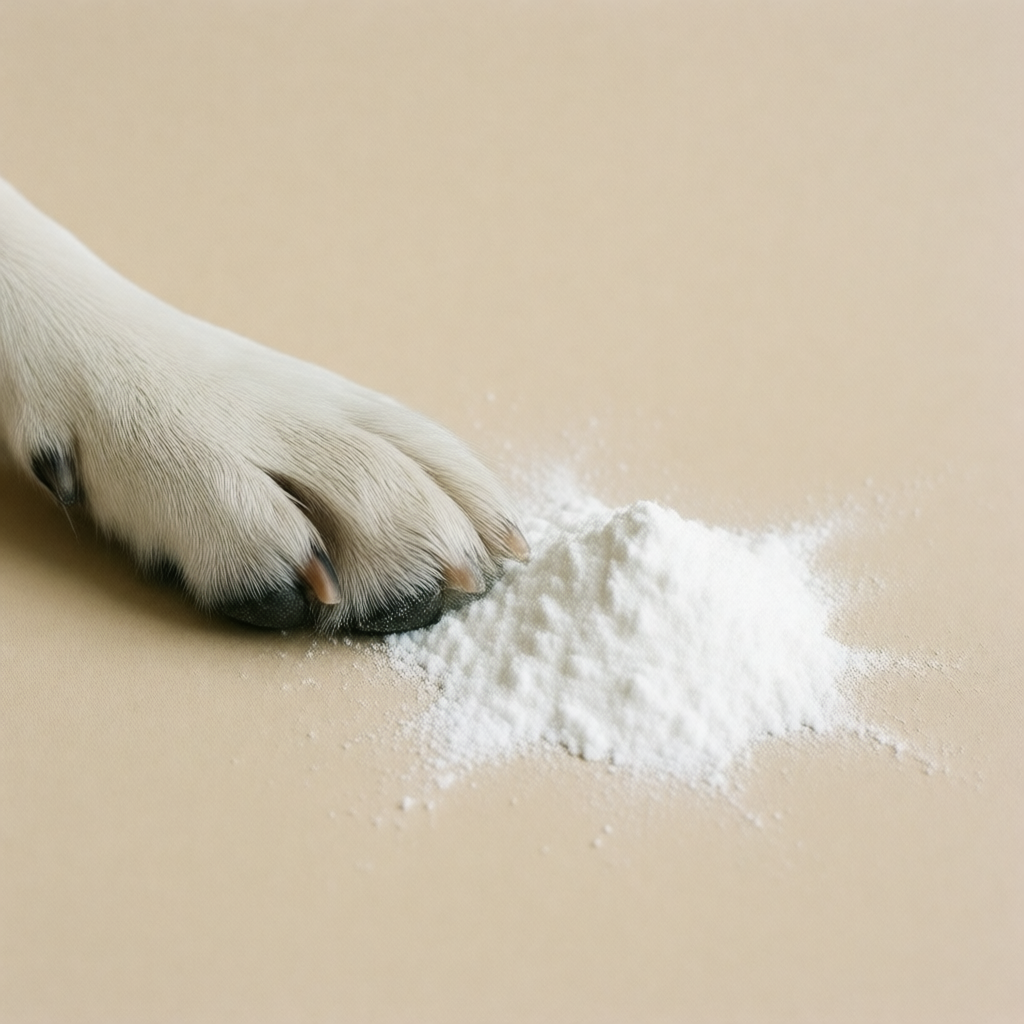
Using Diatomaceous Earth Powder for Dogs: Is It Worth the Hype?
Let's Talk About That Doggie Dilemma
So you've been seeing these little packets of diatomaceous earth powder for dogs everywhere online, right? The kind of stuff that promises to solve everything from fleas to digestive issues. I get it—it's tempting when your pup seems uncomfortable.
But then maybe you mentioned this to your vet, and suddenly you're getting some of those polite-but-clearly-wondering looks. You know the ones. And honestly? I think there's actually a good reason behind their hesitation. Let's unpack this together without making anything sound overly complicated.
Why Do Vets Get Skeptical?
Here's what's going through a veterinarian's head when you mention diatomaceous earth powder for dogs: first off, not enough solid research backing it up. We're talking about studies, not just testimonials from happy pet parents. And as much as we'd love things to be simpler, our profession is built on evidence—and the evidence here is... thin.
Then there's the inhalation concern. This stuff IS dust, you know? Even food-grade DE can irritate lungs if your dog's breathing it in during application. I remember my own dog sneezing like crazy once when I tried sprinkling it—poor thing looked genuinely confused. Not something you want to encourage regularly.
And let's talk about expectations, because here's where things can go sideways fast. Some folks expect this one product to fix fleas AND ticks AND worms. Newsflash: even prescription medications don't hit every parasite with 100% effectiveness. So when people come expecting miracles, disappointments happen.
When Do Vets Actually Support Using It?
Now I'm not saying throw away any and all hopes. Sometimes circumstances shift, and vets actually do warm up to certain uses of diatomaceous earth powder for dogs. Here's when you'll hear less resistance:
-
As a supplemental treatment alongside conventional products, not instead of them
-
When chemical flea treatments aren't an option due to specific health conditions
-
With proper application methods that minimize dust inhalation risks
-
For external coat cleaning rather than internal ingestion scenarios
What Changed My Perspective (And Maybe Yours)
I won't lie—at first I was pretty ready to dismiss this whole trend too. Then I met another dog owner who had a special situation: her puppy couldn't tolerate standard flea medications due to sensitivity issues. They tried different approaches, and eventually found a middle ground where minimal diatomaceous earth use made a noticeable difference without causing problems.
That didn't mean I started recommending it to everyone walking into my clinic, but it did soften my position a bit. Because sometimes life isn't black and white. There are gray areas where cautious experimentation with proper monitoring makes more sense than absolute rejection.
Here's my honest take: if you're considering diatomaceous earth powder for dogs, have a conversation with your vet first. Bring them into the decision-making process. Tell them what you're thinking, what you've read, and most importantly—listen to their advice tailored to YOUR specific situation.
Some dogs absolutely thrive on conventional flea prevention. Others might need creative solutions. Neither makes either choice wrong—it just means we're all trying to figure out what works best for our individual furry companions. And honestly? That uncertainty is part of being a responsible pet parent. Pretty okay with that.
Bottom line: don't panic when your vet hesitates at first. But also don't ignore their concerns entirely. Find common ground, keep communication open, and remember—you're doing the best you can with the information available.
What's All the Buzz About Diatomaceous Earth?
Okay, let's be honest—I was skeptical when everyone started talking about diatomaceous earth powder for dogs. Like most pet owners, I had that "natural remedy = miracle cure" mentality going into it.
But here's the thing—after doing some serious research (and honestly, watching way too many YouTube videos), I've got something helpful to share. Because if you're reading this, chances are you're either dealing with fleas, ticks, or just trying every option out there.
Quick Background Check
So what even is this stuff? Well, diatomaceous earth comes from fossilized remains of tiny organisms called diatoms. They're basically nature's little exoskeleton creators. When you apply the powder correctly, it can help break down insect exoskeletons and dry them out. Pretty gross when you think about it, but also... genius?
The Good Stuff About DE Powder
-
Natural option: No harsh chemicals touching your pup
-
Cost-effective: A little goes a long way compared to store-bought meds
-
Resistant pests: Insects don't build immunity like they do with chemical pesticides
I'll admit—the safety aspect sold me initially. There were nights I'd come home to see my dog scratching like crazy, and reaching for yet another bottle of expensive treatments felt heavy on the wallet AND my conscience.
Here's Where Things Get Tricky...
Not so fast though. Because here's what nobody really mentions enough—that respiratory irritation factor. This isn't playtime dust. You have to be careful around the face and especially around their nose and mouth. One wrong move and you've got sneezing, coughing, and an upset puppy situation.
Things You Need to Know First
I learned the hard way that not ALL diatomaceous earth is created equal. You NEED food-grade quality—not the pool filtration kind. Those two things couldn't be more different, and trust me, mixing them up would be disaster territory for you and your dog.
Also, timing matters a lot. If your environment is humid, it doesn't work as well. Moisture makes it clump, loses its effectiveness, and then you're back to square one wondering why nothing's working.
My Personal Experience (YMMV)
After using diatomaceous earth powder for dogs for maybe three weeks straight, I did notice a difference. Fewer visible fleas, less scratching during certain times of day. But honestly? It wasn't magic overnight.
It took patience and consistency. And I still combined it with regular vet checkups because you never want to go full DIY without professional input when it comes to parasite management.
Final Thoughts Before You Try It
Should you use DE powder? Maybe. Should you go in blind and hope for the best? Absolutely not. Do your homework, ask your vet, read labels carefully, and start slow.
At the end of the day, every dog is different. What works perfectly for my golden retriever might not work for your terrier mix. That's just how pet parenting works.
Feel free to throw questions my way in the comments—happy to help where I can! Your furry friend deserves the best care, and we're all figuring this out together.
Is This Natural Remedy Worth Your Time?
So you've heard about diatomaceous earth powder for dogs, right? Maybe you saw someone raving about it on social media, or your vet mentioned it during a checkup. Either way, you're probably wondering if there's actual truth behind all the buzz.
Look, I get it. When your pup has fleas or skin issues, you want solutions that are safe and effective. And honestly, before I dug into this myself, I wasn't exactly convinced. But after reading through plenty of research—and talking to some fellow dog parents—I think there's definitely something here worth knowing about.
What Exactly Is This Stuff Anyway?
Okay, so diatomaceous earth comes from fossilized remains of tiny aquatic organisms called diatoms. Sounds science-y, I know. But basically, when they say it's food grade and meant diluted properly for dogs, it's completely natural—no harsh chemicals involved.
The weird part? It's these microscopic sharp particles that can damage flea exoskeletons without hurting your dog. Think of it like glass dust, except you're not going to notice it on their coat. Still, I had questions too. Is it safe? Does it work long-term? Let's figure it out together.
When It Actually Helps
Here's where things get interesting. For flea control specifically, dietary diatomaceous earth powder for dogs can be useful. When ingested in small amounts, it helps create an environment fleas don't like on your pup's body.
| Benefit | How It Works | Things to Watch |
|---|---|---|
| Flea prevention | Damages insect exoskeletons | Makes sure it's food grade only |
| Odor control | Absorbs excess moisture | Clean fur regularly anyway |
| Skin support | Can soothe mild irritation | Not for open wounds |
| Digestion aid | Mild probiotic effect | Start slow, monitor reaction |
But here's the thing—you won't find instant miracles overnight. Flea situations require patience and consistency. If your dog has a bad infestation, you might still need additional help from your vet.
Safety First, Always
This is where people mess up big time. The type matters! There's garden-grade diatomaceous earth and food-grade. You want food grade for any pet-related use. The other kind has added chemicals that can cause real problems.
Also, I started by testing just a pinch on my own dog. Yes, even though he didn't have fleas yet. I wanted to see how his skin reacted before committing to anything. Turns out, he handled it fine, but your situation might differ.
The Bottom Line
So, is diatomaceous earth powder for dogs worth trying? My answer? Probably yes—but with conditions. It's not magic, it takes consistent effort, and you absolutely must do your homework before starting.
Talk to your vet first. Especially if your pup has existing skin conditions or health issues. A little extra caution now means peace of mind later. And honestly, I'd rather be boring than risk something important.
One Last Thought
Remember, every dog is different. What worked for my neighbor's golden retriever might not work the same way for your rescue puppy. That's why paying attention to what YOUR dog needs—and watching closely—is everything.