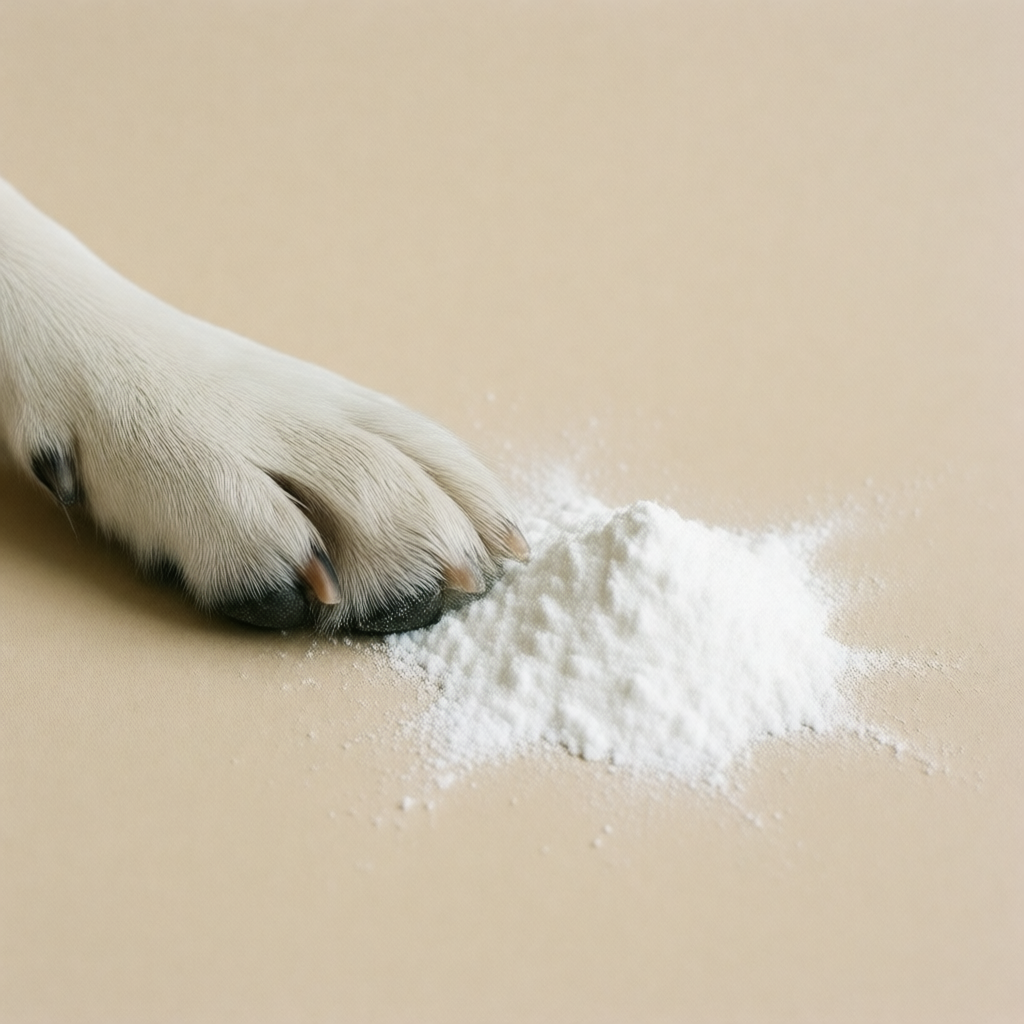
When you finally decide to buy food grade diatomaceous earth, here's what actually matters
So You're Ready to Buy Food Grade Diatomaceous Earth?
Okay, let's be real for a second. I spent way too long researching before I actually buy food grade diatomaceous earth. And honestly? Most of that research was kind of pointless noise.
If you're like me—scrolling through endless products, wondering if there's a trick, if you're missing something—you're probably overthinking it. Let me save you some time based on my own experience.
First Things First: The "Food Grade" Part
Not all DE is created equal. I learned this the hard way. There's filter-grade stuff (don't touch that) and then there's food grade. Trust me, your gut will thank you if you skip the wrong one.
At first, I wasn't even sure why the distinction mattered so much. Turns out, food grade means it's safe for consumption (when used as directed). That alone should be your starting point when you decide to buy food grade diatomaceous earth.
What Actually Matters Beyond the Label
Here's where it gets interesting. Once you confirm it's food grade, don't get stuck comparing brand logos or fancy packaging. Here's what I actually care about now:
Particle size—it affects how fine or coarse the powder feels
Whether it's processed at low heat (preserves structure)
Where it's sourced from (USA vs. other countries)
I know, that sounds technical. But think of it like buying coffee. You can get any old ground beans, or you can find something that actually tastes good because someone thought about the source. Same principle.
My Biggest Mistake (Don't Do What I Did)
Here's a confession: My first order came in a flimsy bag. Within weeks, moisture had gotten in. Since I was using some for garden pests and some for my dogs, having wet DE was pretty much useless.
Now I look for resealable packaging. Sure, maybe it costs $2-3 more. But when you're trying to buy food grade diatomaceous earth, you want it to stay usable. No one likes throwing money away on stale powder.
Price Isn't Everything—But It's Not Free Either
You'll find options ranging from $10 to $40+ depending on quantity. Don't grab the cheapest one just because. Quality varies, especially with sourcing and processing methods.
I ended up settling on a mid-range option after testing a few. The difference between super cheap and premium isn't huge, but neither is it negligible. Find that sweet spot that fits your budget without compromising basic quality.
Look, nobody becomes an overnight expert on anything. When you finally decide to buy food grade diatomaceous earth, do yourself a favor and focus on the basics rather than getting lost in marketing hype.
It's better to start simple and learn along the way than to waste months overanalyzing every detail. Just make sure what you're getting is legitimate, packaged well, and from a place that checks its boxes.
Hope this saved you a headache or two. Happy buying! 🙌
When You Finally Decide to Buy Food Grade Diatomaceous Earth
So you're ready to buy food grade diatomaceous earth? Great choice—but wait! Not all sellers are created equal. I once bought DE expecting purity, only to find industrial-grade stuff masquerading as food-safe. Learn from my mistake. Here's how to shop smarter.
Where You Can Actually Trust
- Health-focused e-commerce sites with organic certifications
- Specialty farm suppliers known for agricultural DE
- Brands offering lab results and transparent sourcing
These spots prioritize quality. Think of it like grocery shopping: Would you buy eggs from a random gas station or a certified organic market? Same idea!
Skip These Stores Entirely
Watch out for red flags. A quick checklist:
| Suspicious Sellers | Warning Signs | Risk Level |
|---|---|---|
| Generic Amazon listings with zero reviews | Vague product descriptions | High (Potential contaminants) |
| Sites without physical addresses | Mixed grades (industrial/food) | Critical (Ingestion dangers) |
| Promotions promising "miracle cures" | Overpriced for basic DE | Unnecessary cost |
One time, I nearly ordered DE from a dropshipping store that sourced from unknown factories. Checked their WHOIS data and poof—they vanished after the scam alert. Yikes.
Your Shopping Checklist
Before clicking "checkout," double-check:
- Third-party lab certifications for purity
- Clear ingredient lists (pure silica, nothing added)
- Contact info and clear return policies
Taking 5 extra minutes now saves headaches later. And hey—if unsure, ask customer service questions. Legit sellers won't mind!
TL;DR: Don't rush. Research, verify, and invest wisely. Your body (and pets!) will thank you. Now go forth and shop confidently!
Why This Product Needs Extra Care
Okay, let’s talk. If you’re reading this, you’ve probably decided to stop googling random “diatomaceous earth” products and actually commit to buying food grade diatomaceous earth. Maybe you’ve read horror stories about contaminated bags, or you’ve seen conflicting advice about pesticides versus supplements. I get it. When I first tried buying mine, I nearly gave up halfway through.
Purity Is Non-Negotiable
First things first: check the label. Not all diatomaceous earth (DE) is created equal. Industrial versions might contain additives or high silica levels unsafe for consumption. Look for “food grade” prominently displayed—and I mean *prominently*. If it’s buried in fine print, bounce.
Particle size: Fine powder absorbs faster but may irritate lungs. Coarser grades last longer but work slower.
No fillers: Avoid blends with bentonite clay or other minerals unless you know why.
Trust me, your nose knows. If the powder smells chalky or chemical-y, walk away.
Certifications Tell the Truth
Here’s where I almost made a mistake. A seller bragged about “USDA Organic” certification, but when I dug deeper, realized it was for their packaging, not the DE itself. Red flag! Real food-grade DE should have third-party lab reports showing:
• 98%+ pure silica dioxide
• Heavy metal-free tests
• Microbial safety checks
Don’t skip this step—even if the bag looks premium. One client bought cheap DE for her garden, forgot to verify labs, and accidentally introduced arsenic contamination. Yikes.
Where It’s Sourced Matters More Than Brand Name
Most high-quality DE comes from ancient freshwater deposits in Nevada or Wyoming. Some brands ship cheap Asian imports claiming purity—they often don’t match specifications. Pro tip: Reputable companies list mining locations proudly. If they’re vague? Suspicious.
Also note: Mining depth affects purity. Shallow deposits risk more impurities.
Purpose Dictates the Right Grade
Are you dusting shelves for bugs or mixing into pet food? These uses need different grit levels.
For ingestion: Stick to ultra-fine powders labeled supplement-ready.
For gardens: Slightly coarser particles cling better to leaves.
For pools/filters: Skip food grade entirely—use pool DE instead.
Using the wrong type? You’ll waste money or worse, endanger animals.
Price ≠ Quality (But Too Cheap Screams Trouble)
At first glance, that $15 jar looked like a steal. Turned out it contained talc mixed with DE. Always compare price-per-pound. Expect to pay $2–$4/lb for authentic food grade. Anything under $1.50 is suspect.
Also check shipping costs. Free delivery sounds nice until you see their return policy: “No refunds opened containers.” Ouch.
Reviews Aren’t Enough—Dig Deeper
Five-star reviews lie sometimes. Look for critiques mentioning:
✓ Actual lab reports shared publicly
✓ Customer photos comparing texture/color
✓ Long-term results (some brands degrade after months)
✓ Responsiveness to complaints
Found a forum thread where someone returned bad DE? Goldmine info right there.
Bottom line: Buying food grade diatomaceous earth isn’t about finding the cheapest option. It’s about verifying trustworthiness at every step. Take time, ask questions, and never rush the decision. Your health (and sanity) will thank you later!
Before You Click "Buy Now"
So you’re thinking about grabbing some food-grade diatomaceous earth. Awesome! I totally get it—it’s handy for everything from pest control to adding minerals to chicken feed. But here’s the thing: not all DE is created equal, and I’ve learned (the hard way!) that rushing your purchase can lead to disappointment. Let’s walk through the essentials before you hand over your credit card info.
1. Is It Actually Food-Grade?
This is non-negotiable. When you buy food grade diatomaceous earth, make sure it’s labeled “food-grade,” not industrial. The two look similar but differ vastly. Food-grade is purified to meet safety standards, while industrial versions contain harmful additives. A quick tip: if it doesn’t specify purity on the label, skip it.
2. Micron Size Matters
Particle size sounds boring, right? Well, it determines how well the DE works. For internal use (like supplementing pet food), go for fine particles (under 10 microns). For external pest control, coarser grits work better. I once bought the wrong size and couldn’t mix it into animal feed properly—total headache!
3. Certifications Are Your Friend
Look for third-party testing or certifications like NSF International. These confirm the DE meets safety standards. When I first started researching, I thought all labels were trustworthy, but fake claims exist. Certifications give peace of mind—and they’re easy to check online.
4. Price ≠ Quality
Don’t assume cheaper means worse, but $10 DE is suspicious. High-quality food-grade DE costs more due to processing. Compare prices across brands, but prioritize verified products over flashy marketing. Remember: saving a few bucks now won’t matter if you can’t safely use it later.
5. What’s Your End Goal?
DE serves different purposes. Need it for gut health in livestock? Pick organic-certified. Using it in gardens? Standard food-grade works. Buying without clarity leads to mismatched expectations. Ask yourself: “What exactly am I using this for?”
Quick Checklist Before Paying
✅ Labeled as food-grade, not pool or industrial
✅ Particle size matches intended use
✅ Has third-party safety certifications
✅ Clear brand reputation and reviews
✅ Stored in airtight packaging (clumped = bad)
Taking these steps saves money and hassle. If you’re still unsure, reach out to customer service—they should be able to answer specs questions confidently. Once you’re armed with the right info, hitting checkout feels solid.