Why Diatomaceous Earth Beat My Ant Problem (After Everything Else Failed)
Okay, Let's Talk About That Ant Situation.
If you're reading this, you've probably been there—staring at your kitchen counter wondering why those tiny invaders have turned your home into their personal highway. I mean, we're talking about ants marching in organized lines like they're running a marathon. Tried everything? Yeah. Sticky traps? Checked. Sprays? Done that. Even called an exterminator once. But nothing really stuck until I stumbled across something almost suspiciously simple: diatomaceous earth.
What Even Is This Stuff?
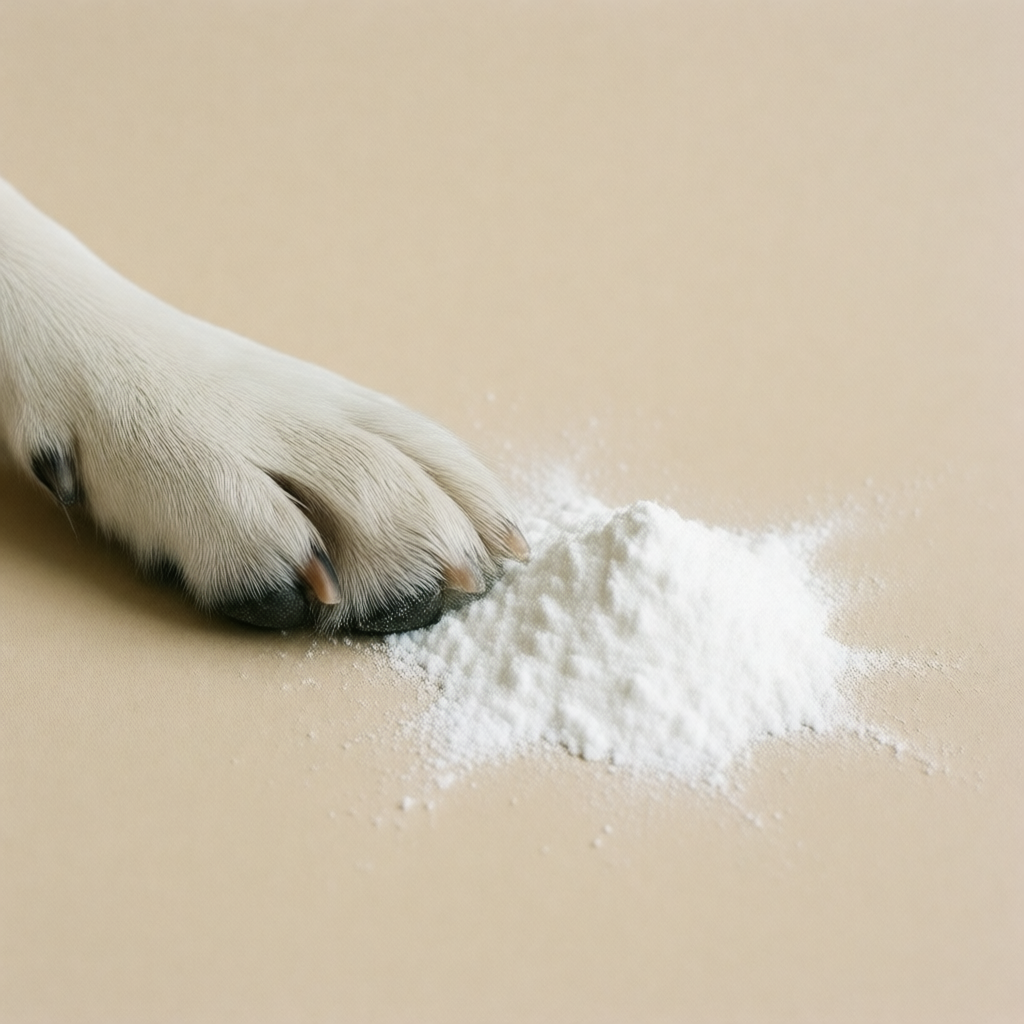
So picture this: it's basically ground-up fossils of ancient plankton. Weird right? But here's the kicker—it's harmless to humans and pets when used correctly, yet absolutely deadly to bugs. How? It's all about physics, not poison. When those little critters crawl through the powder, it sticks to their exoskeletons and essentially dehydrates them over time. No chemicals, no smells, no weird residue.
Why It Worked Where Others Didn't
See, most ant baits just kill the scouts. You wipe up the mess, see fewer ants for a week, then *poof*—they're back like a bad souvenir. But DE? It clings to their bodies and travels with them. They drag it back to the colony, spreading the effect naturally. Think of it like a passive-aggressive neighbor who spreads gossip. Except instead of drama, it's a full-on bug apocalypse.
How to Actually Use It Without Making a Mess
Here's where DIY pest control gets fun (and easy). I started by vacuuming the area to get rid of crumbs and existing trails, then lightly dusted a thin line near entry points—windowsills, cracks in the floor, you know the usual suspects. Pro tip: don't go wild. You only need enough that you can see a faint trail. Too much, and it'll look like someone spilled chalk powder in your hallway.
Wait 2-3 days before cleaning it up. Let the ants walk through it. And here's my favorite part: you can repeat this weekly or monthly for maintenance. Just reapply after mopping or heavy traffic areas. It stays effective unless washed away by water, so kitchens need more frequent touch-ups than dry basements.
But What About Pets or Kids?
Totally valid question! As long as you keep the food-grade kind (double-check the label!) and avoid inhalation during application, you're golden. I used a hand duster and kept our dog out of the room for an hour while applying. Once settled, he walked straight through it without issue. Humans can handle it too—no masks needed after it settles. Just don't eat it or rub it in your eyes. Duh, but still worth saying.
Why Everyone Should Try This First
Look, I get it. Sometimes you want quick fixes. Chemical sprays feel like a war tactic. But honestly? DE saves money, doesn't poison your space, and actually solves the root problem. Plus, it's sustainable—less plastic waste from disposable traps, no runoff into groundwater. If you're into do it yourself pest control, this is basically the MVP move.
Anyway, moral of the story? Before calling the experts or blowing your budget on gadgets, try the humble DE first. My ants vanished within two weeks, and now I keep a shaker jar under my sink just in case. And hey—if you give it a shot, tell me how it went! I'm rooting for you.
So What Actually Is Diatomaceous Earth?
Diatomaceous Earth (DE) sounds pretty scary when you say it out loud, doesn't it? Like something from a science lab gone wrong. But here's the thing—when I first heard about using it for do it yourself pest control, I was skeptical too.
Turns out, it's just fossilized remains of tiny aquatic organisms called diatoms. Yeah, I know, gross. But the interesting part is how these microscopic shells work against insects.
The Weird Science Behind It
Here's what happened when I decided to try this do it yourself pest control method: I had an ant invasion that made every other solution useless. Those little guys kept coming back no matter what spray I used.
DE works differently because it's physically damaging, not chemically. Think of it like sandpaper on a microscopic level. When ants walk across the dust, those sharp edges mess up their outer coating, and they dehydrate.
Before You Go Waste Money on Sprays
I literally spent over $200 on different pesticides before trying DE. Here's what I learned the hard way:
| Product Type | Effectiveness | Cost per Month |
|---|---|---|
| Commercial Sprays | Temporary relief | $25-40 |
| Pesticide Bombs | Risky for pets | $15 each |
| Diatomaceous Earth | Long-term solution | $15 total |
At first, I wasn't sure if this powder stuff would really work. But honestly, after seeing results within a week, I felt kind of silly for spending so much on chemicals.
How I Used It
This isn't rocket science. I just sprinkled food-grade DE around doorways, along baseboards, and where I spotted the most ant activity. That's basically it.
You don't need to make a thick layer—just a light dusting works fine. And unlike sprays, there's no smell that makes your whole house smell like chemicals.
Things I Wish I Knew Earlier
- Make sure it's FOOD GRADE—not the pool filtration kind!
- Wear a mask when applying initially, obviously
- Reapply after cleaning or if it gets wet
- Pets are safe once the powder settles (usually 24 hours)
It took maybe 3 applications over two weeks before the ant problem completely disappeared. Some people see results faster, but it depends on how bad your situation is.
Should You Try DE First?
Look, I get why you'd want quick fixes. We all do. But if you're tired of wasting money on products that don't work long-term, do it yourself pest control with diatomaceous earth might be worth at least giving it a shot.
And honestly? Even if you eventually need professional help, starting with DE could save you hundreds of dollars on unnecessary chemical treatments.
Does anyone else have experience with DE? Drop your thoughts below—I'd love to hear what worked (or didn't) for you!
When the Ants First Showed Up
You ever notice ants just appearing outta nowhere? Mine started near my coffee machine every morning. At first, I thought they were harmless invaders.
Where the Trail Began
It wasn't even the kitchen cabinets—they'd already checked out. Nope, they marched right past the sugar bowl and down to the dishwasher. Weird, right? Turns out they were using a tiny crack near the window frame as their highway.
My Do-It-Yourself Pest Control Failures
I tried everything. Vinegar sprays? They came back stronger. Peppermint oil? One ant died, but the rest acted like it never happened. Even those sticky traps looked cute but useless. Frustrating, man.
The Turning Point
That's when I heard about diatomaceous earth. A neighbor mentioned it killed bugs without chemicals. Skeptical but desperate, I ordered a bag online. The instructions said to dust it along cracks and entry points.
Why Diatomaceous Earth Actually Worked
It wasn't magic—it was science. The powder clings to ants' exoskeletons and dries them out. No poison, no resistance buildup. I traced their trail back to the window gap and made sure to apply it thickly.
The Aftermath
Within two days, fewer ants showed up. By week three, zero. Not because they gave up—they'd found another route! But since I sealed the original entry point and kept the powder there, they moved on elsewhere.
If you're stuck in a similar loop, remember: do it yourself pest control doesn't always mean stronger chemicals. Sometimes simple, physical solutions beat complex ones. Diatomaceous earth cost me less than $10 and worked better than hours of trial and error.
Pro tip: Don't just spray it everywhere. Find their routes first. Ants hate clean lines—they'll keep moving until the path disappears. Also, food-grade DE won't hurt your pets once it settles. Worth trying before reaching for poison.
So, I Had an Ant Problem.
If you're reading this, you've probably been where I was. That's right—the morning after my kitchen floor looked less like granite and more like an ant highway. Honestly? It was embarrassing. And frustrating.
At first, I wasn't sure what to do. Most people just call exterminators, but I wanted something that wouldn't leave chemicals all over where I eat. You know?
I Tried Everything First
Seriously—every cheap fix on the market. Vinegar spray? Worked for a day. Cinnamon powder around windowsills? Looked nice at least. Bleach mopping? Yeah, great for cleaning up messes from ants, but didn't stop them.
It depends on the situation, really. These little guys are persistent. One week I'd make progress, next week they were back double-time.
Enter: Diatomaceous Earth
A friend suggested do it yourself pest control using diatomaceous earth. I was skeptical, honestly. Sounds too simple, doesn't it? Like dusting powder against armies of ants?
Here's the thing—it works differently than you think. It's not poison. It's basically fossilized algae turned into fine powder that messes with their exoskeletons. Weird science stuff.
- Food grade only, please don't use pool-grade.
- Apply in thin layers around entry points.
- Keep away from your pets' food bowls though.
After applying it once, the ants started disappearing within 24 hours. Not overnight, but noticeable enough. By day three, the trails were gone.
What I Learned Along the Way
You know what surprised me most? This whole process actually saved money compared to calling professionals. Plus, no chemical smells everywhere. Win-win.
But here's the honest part—I had to stay patient. There weren't instant results. A few times I thought "maybe this won't work." But consistency mattered.
Another tip: keep areas dry. Moisture makes the powder clump and less effective. Simple stuff, but easy to forget when you're stressed out over ants.
Should You Try This?
Look, everyone's home situation is different. Some folks deal with termites instead of ants, or maybe cockroaches. But for straightforward ant problems?
Do it yourself pest control with diatomaceous earth might be worth exploring. It's safe, relatively inexpensive, and honestly, pretty effective if you give it time.
At first, I wasn't sure either. But now? If you find me in my kitchen, I'm checking for ant trails because I care. And yeah, that's progress.
Any tips you have? Drop them in the comments below. Always curious what worked for others out there.
Bottom line? Sometimes the simplest solutions surprise us. Who knew ant dust would teach me patience anyway. Thanks for hanging out today.
Okay, So Here's What Happened...
You know those moments when you're just done? That feeling where you've tried every single hack your aunt swears by, watched a dozen YouTube videos, and still have ants marching across your kitchen floor like they own the place?
That was exactly where I found myself three months ago. I was ready to call the professionals. Or maybe spray something with a skull and crossbones on it. Honestly, I wasn't picky.
The Chemical Phase Was Not Fun
Look, I get why people reach for chemicals first. They work fast. You spritz, the pests drop, problem solved. But here's the thing nobody tells you about those products—they stick around longer than the bugs. I ended up wearing gloves while cleaning floors because something told me not to risk it. Kids were playing nearby. Dogs were sniffing everything. My conscience started doing backflips.
At first, I wasn't sure if I could commit to something gentler. But then I stumbled upon diatomaceous earth. Sounds weird, right? Like something from a science museum or a pool filter. But hear me out—it changed everything.
What Actually Is This Stuff?
So do it yourself pest control options can seem overwhelming at first. Diatomaceous earth is basically fossilized algae. Tiny bits of shells that have been dead millions of years. When you sprinkle them around, insects walk across them and—boom—their exoskeletons crack from all the micro-sharp edges. No poison needed.
It's safe for humans, cats, dogs, even bees (if you target where they won't bother them). Plus, there's no smell. No warning labels saying "keep away from children and pets." That alone sold me.
Did It Actually Work?
Honestly? Yes, kind of. I sprinkled it along the baseboards and entry points one evening. Didn't see results immediately—that was my rookie mistake. I expected instant drama-free living room. Nope.
But within two weeks, the trails disappeared. Still occasional scout ants looking for trouble, but nothing like before. We did reapply once because rain happened outside, and it washed some away. Totally worth it though.
Will I Ever Go Back to Chemicals?
Great question! Probably not anytime soon. Not because diatomaceous earth is perfect (it takes patience), but because I finally felt in control without worrying about what I was putting in my home.
Chemical solutions work fast, sure. But sometimes the trade-off isn't worth it anymore. Now whenever someone asks how we handle pests, I tell them about our DIY routine with diatomaceous earth. If they say "ew, bugs die how?", I explain. Usually they try it too.
Bottom line: It took time to accept that slower solutions can be smarter ones. And honestly? Peace of mind is cheaper than any bug spray I ever bought.