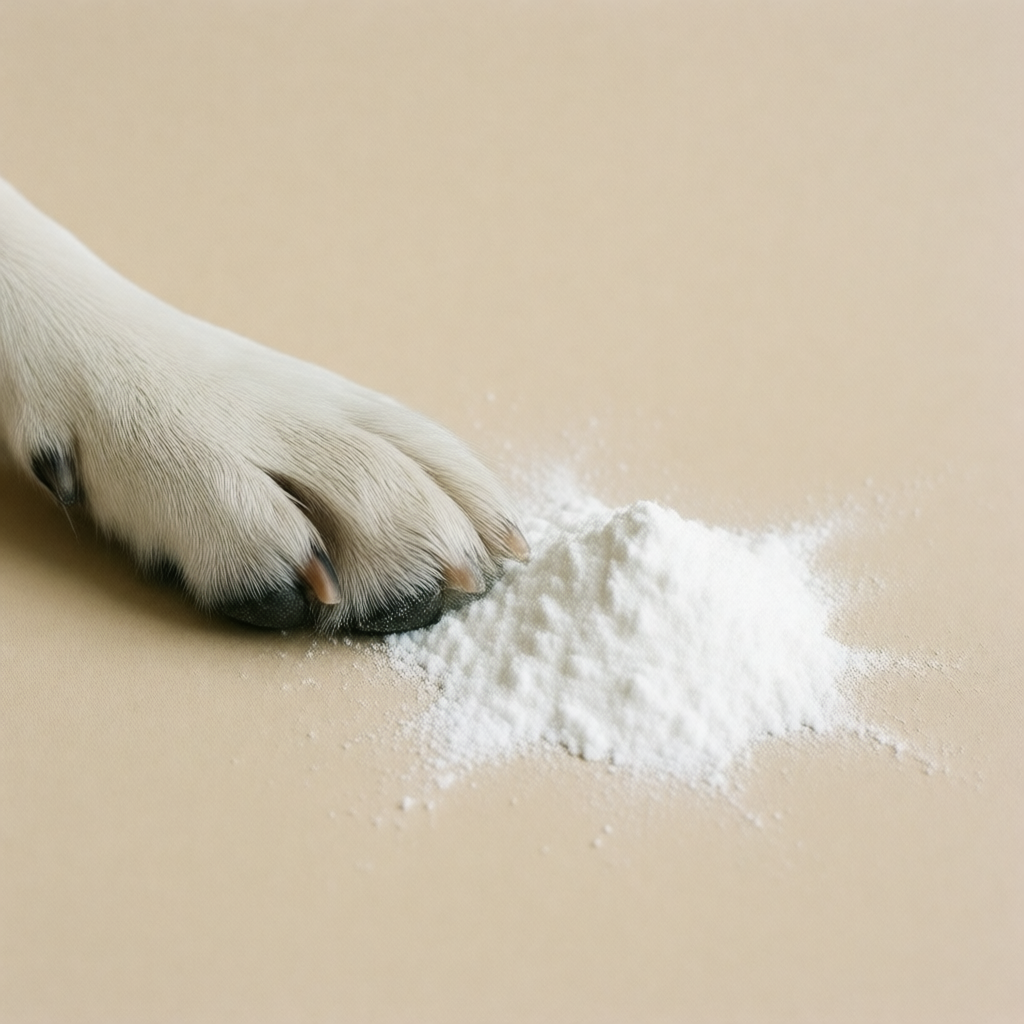
Why Your Diatomaceous Earth Might Not Stop Ants (And How to Fix It)
That One Time I Wasted Hours Because of the Wrong Powder
Honestly? I spent way too long on this problem. One minute I had a tiny trail of ants by the window, and the next—bam! They're taking over the entire kitchen counter.
So I grabbed whatever powder I had around the house labeled "diatomaceous earth" and dusted it wherever I saw movement. For an hour and a half, I just watched those little guys march right over it like nothing happened. What?
Here's What Went Wrong (And Probably Happening to You Too)
Turns out, not all diatomaceous earth is created equal. Some of it's food grade (great for salads, gross idea though that is), and some's meant for pool filtration. When I finally went looking at the label, there was a whole category I didn't realize existed: pest control specifically.
Why Quality Actually Matters
The right stuff works because it actually dehydrates insects. But here's the thing—the particle size has to be just right. And you need to use it correctly. If you apply it wet, or if you pick up the cheap version from your big-box store discount aisle, good luck with that.
At first, I wasn't even sure how to tell the difference between the powders. That's honestly how we find ourselves in these situations. We assume they're all the same until we pay $20+ to replace what doesn't work.
How I Finally Got It Right
After doing some late-night research (because obviously I have that kind of time), I found out exactly what I needed. When shopping for the best diatomaceous earth for ant control, look for:
-
Food-grade quality specifically for pests
-
Proper particle distribution info on the label
-
Clear instructions for insect applications
The real difference was applying it thin layers where ants travel, not dumping a thick pile in one spot. Moisture kills its effectiveness. So if you live somewhere humid like me, timing becomes everything.
What I Learned the Hard Way
I wish I'd figured this out sooner. The frustration was real when I watched the same ant line reappear three times in one day. But once I switched to the right product and applied it properly, things stopped overnight.
It depends on the situation, honestly. Sometimes one treatment works. Sometimes you need to wait a few days. Just don't expect miracles after 10 minutes—that's probably setting yourself up for disappointment.
Moral of the story? Spend the extra money on quality. A slightly more expensive box will save you hours of watching ants do their own thing. And honestly, that peace of mind matters more than saving $5 on a budget bag that doesn't work.
Why Your DE Isn’t Killing Ants
I remember the first time I sprinkled diatomaceous earth around my kitchen, thinking I’d solved my ant problem forever. Weeks later, ants were still marching across the counters. What gave? Turns out, there’s more to this stuff than dusting it somewhere.
First: Are You Using the Right Kind?
Not all diatomaceous earth is created equal. Pool-grade DE is for filters—don’t even think about using it indoors. You want food-grade, labeled specifically for pest control. Seriously, check the bag! I wasted cash on “generic” powder until I noticed the fine print.
Common Mistakes That Doom Your Efforts
Moisture is the enemy. DE works dry—if it clumps in humidity, it’s useless. Apply thin layers near entry points, not thick piles. And don’t vacuum it up too soon! Ants need days to crawl through it. Oh, and pet safety? Stick to food-grade—pool-grade can irritate lungs.
Quick Fixes to Get It Working Again
If you’re stuck with ineffective DE, here’s the deal: swap to a trusted brand marked as the best diatomaceous earth for ant control. Store it sealed in a cool spot. Reapply after cleaning or rain. And maybe sprinkle cinnamon alongside—it confuses their scent trails while DE does its thing.
At first, I thought I was doing everything wrong. Turns out, it was the product itself. A little research saved me headaches and empty pockets. Next time ants invade, grab the right DE and give it space to work.
Your DE Isn't Working? Here's Why
You know when you sprinkle diatomaceous earth around your kitchen and the ants just ignore it? Yeah, been there. At first, I thought my method was solid, but after weeks of watching tiny invaders feast unbothered, I realized something was off.
Moisture is the Silent Killer
Diatomaceous earth needs to stay dry to do its job. If your area's humid or there's a leak nearby, the powder clumps up and loses effectiveness. I learned the hard way—after a rainstorm, I had to reapply multiple times before realizing moisture was sabotaging me.
Spot Placement Matters More Than You Think
Ants travel along scent trails. Sprinkling DE randomly is like throwing darts blindfolded. Focus on entry points, corners, and hidden cracks. I started placing lines along baseboards instead of random patches, and suddenly the numbers dropped.
Not All DE Is Created Equal
Food-grade DE is safer for home use, but some brands lack potency. After comparing products, the one tagged as best diatomaceous earth for ant control had consistent reviews and held up better over time. Cheap stuff often clumps faster or doesn't last as long.
Quick Fixes That Actually Work
- Dry it out: Use a fan or desiccant near damp spots.
- Target trails: Apply thin lines where ants crawl most.
- Reapply often: DE wears off quickly in high-traffic zones.
- Pick the right kind: Go for lab-tested, pest-specific formulas.
Still struggling? Don't give up. Sometimes tweaking your approach makes all the difference. A few months ago, I swapped to a premium brand labeled as the best diatomaceous earth for ant control, and boom—no more daily cleanup sessions. Share your own tips in the comments! I'll swap battle scars with fellow pest fighters.
Ever Feel Like Ants Are Winning the Battle?
Picture this: you've dusted your countertops with diatomaceous earth, expecting instant victory over those pesky invaders. But guess what? They're still marching through your kitchen line. Frustrating, right? Don't worry—you're not alone. Many homeowners stumble here, and fixing it starts with understanding why your approach isn't clicking.
Why Your DE Might Be Failing You
First off, let's talk type. Not all diatomaceous earth is created equal. I remember buying a cheap bag once, only to realize later it was meant for pools, not pests! Those sharp silica particles? They're useless if ants walk across them. Food-grade DE is non-toxic but super gritty—perfect for dehydrating ants. Pool-grade? Yeah, skip that one. It's harsh stuff, not for home use.
Moisture Matters More Than You Think
DE works by absorbing oils from insects' exoskeletons, turning them into crispy little critters. But water changes everything. Sprayed near leaks, sinks, or after rain? Poof! The powder clumps and becomes harmless. I learned this the hard way after a leaky faucet undid weeks of work. Always apply to dry surfaces—and check regularly.
Too Thick? That's a Problem
Here's a trick: ants need to crawl through a visible trail for DE to work. Too much powder, and they'll just avoid it. Think of it like sprinkling salt—you want a light dusting, not a mountain. A thin layer ensures they step on it without suspecting anything.
How to Find the Best Diatomaceous Earth for Ant Control
When searching for the best diatomaceous earth for ant control, prioritize food-grade options labeled explicitly for pest control. Brands often specify if it's safe around pets too. And hey, check reviews—some powders are finer than others, which actually helps coverage. A little research here saves headaches later.
Pro Tips for Application
Apply DE along ant trails, not just where you see them. They leave pheromone paths behind, so hit those invisible highways with a puffy brush or shaker bottle. After storms or mopping, reapply! Patience pays off—it takes days for DE to finish its job. Oh, and safety gear? Wear gloves. We don't want irritated hands.
Still seeing ants? Time to call a pro. Some infestations hide deep inside walls or require targeted traps. No shame in that—your peace of mind matters more than DIY heroics.
Bottom line: DE can work wonders, but only when used right. Mix the right type, keep it dry, apply thinly, and stay consistent. Next time those ants march in, you'll know exactly how to shut 'em down. Happy pest fighting!
So You Bought DE and Still See Ants?
You ordered the best diatomaceous earth for ant control, you sprinkled it around your garden, and somehow... they're still marching through. It feels like throwing money away. I've been there too, honestly.
Here's what I learned after several failed attempts:
-
DE works great when dry
-
Rain washes it away
-
Wrong application kills its effectiveness
At first, I wasn't sure either. Maybe my product was fake? Maybe all DE is useless? Then I figured out the real issue—it had nothing to do with quality and everything to do with timing.
The Rain Problem Nobody Mentions
Diatomaceous earth isn't waterproof. When rain hits it, that powdery goodness clumps up and loses the ability to penetrate those tiny exoskeletons. It's like trying to fight a fire with a sponge after it got soaked—technically it can still work, but now it's doing extra heavy lifting.
I tried waiting until after a storm to apply DE again. Big mistake. By then, the ants had already found new routes. So here's my current strategy that actually sticks:
| Condition | Expected Result |
|---|---|
| Dry day application | High effectiveness |
| Rain within 24 hours | Washes away completely |
| Covered areas (under leaves) | Protected from rain longer |
| Mixed with soil | Slower activation, lasts longer |
How to Make It Stick Around
After some trial and error, I found two things that changed the game:
First: Apply early in the morning before dew forms, then wait at least 48 hours without rain in the forecast. Sounds basic, but checking the weather app became part of my routine now.
Second: Layering helps. Put down one thin coat, let it settle, then add another. The bottom layer stays even if the top gets disturbed by moisture or critters wandering through.
Some people recommend mixing food-grade DE with citrus oil—I haven't tried it myself because I like keeping my yard organic. But it's worth experimenting with if you live in a very rainy climate.
Bottom Line
Your DE probably worked fine until the rain showed up. Now you know: timing and coverage matter just as much as product quality. Find the best diatomaceous earth for ant control that suits your weather patterns, protect it from getting soaked, and watch those little invaders disappear.
Still stuck with the problem? Try rotating treatments every few weeks. Ants are persistent, so sometimes we need to keep showing them who's boss.