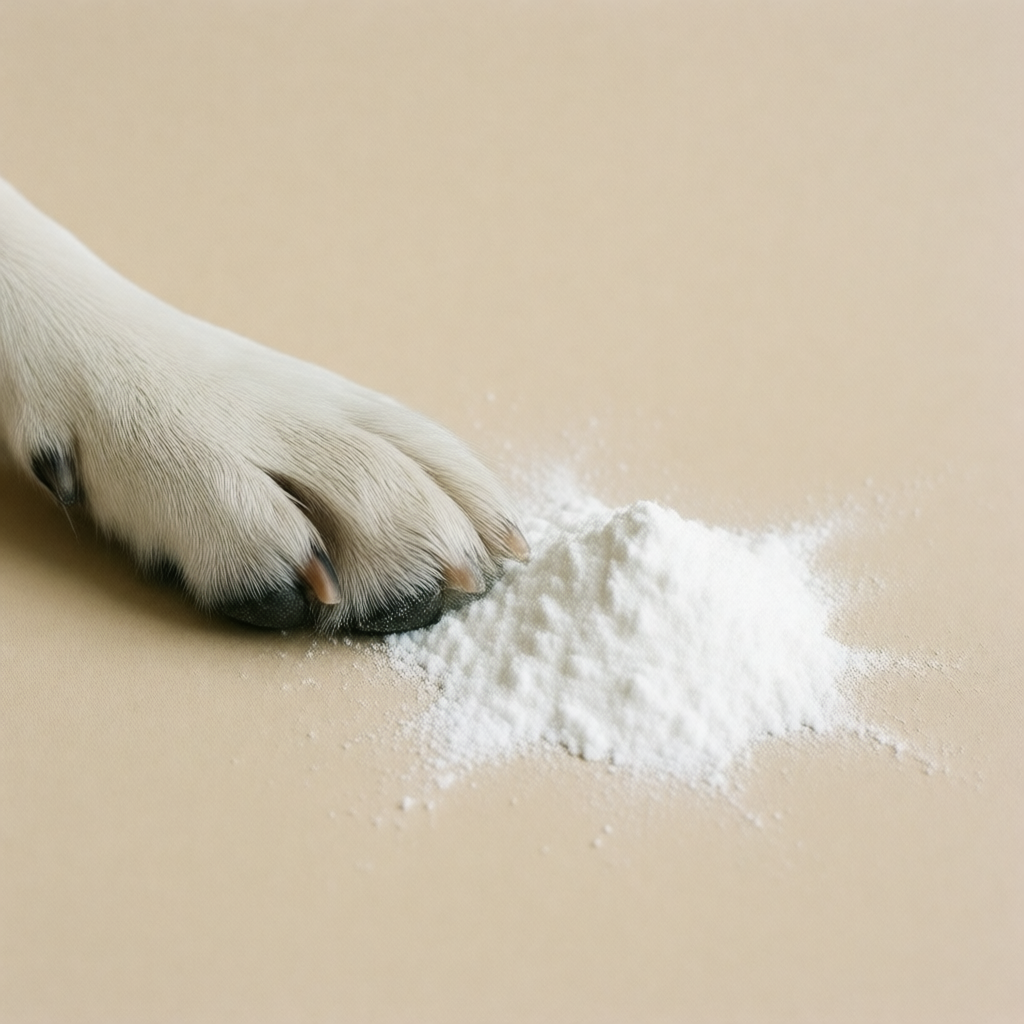
Is This 'Organic' Powder Worth Your Pantry? A Real Talk Review of Food Grade DE
What’s the Big Deal About Food-Grade DE Anyway?
So, you've seen those jars labeled food grade diatomaceous earth popping up everywhere, right? I’ll admit—I was curious. First, let’s break down what this stuff actually is.
It’s Not Just Any Old Dust
Diatomaceous earth is made from fossilized algae. Sounds weird, but hear me out. When we talk about food grade, that means it’s been processed to remove impurities like heavy metals. Regular pool-grade DE? Yeah, skip that one—it’s too harsh.
Where People Actually Use It
-
Sprinkling around gardens to keep pests away
-
Mixing into chicken feed for parasite control
-
Even adding small amounts to your drinking water (just check sources!)
As someone who’s read enough reviews to get wary, here’s the kicker: always choose food grade. I’ve seen folks accidentally use the wrong kind and wonder why their houseplants died 😅. And if you’re breathing in any dust—even food grade—use a mask. No need to play doctor with supplements either.
When I finally decided to try it for my vegetable patch, the results weren’t magic overnight. But after a couple weeks, fewer aphids showed up. Might’ve been coincidence, though. Still, it felt good to use something chemical-free. Whether it’s “worth” it depends on what you need, honestly.
So…Should You Grab a Bag?
If you’re into natural solutions and don’t mind experimenting, go ahead. It’s generally affordable and versatile. But don’t expect miracles. Do your research, especially on brands—if a label doesn’t specify food grade, walk away. Your plants (and pets) will thank you later!
What Exactly Is Food Grade Diatomaceous Earth?
Okay, real talk: when I first stumbled across food grade diatomaceous earth, I thought someone was joking. Like, who eats microscopic fossils? Turns out, it’s not just for bugs—and maybe your garden or pantry.
This stuff comes from ancient algae fossils, ground into a fine powder. But here’s the catch: "food grade" means it’s been tested to remove crystalline silica, which can irritate lungs if inhaled too much. Pool-grade DE? Don’t bother bringing that near anything alive.
Myth #1: “It’s Only for Killing Bugs”
Sure, food grade diatomaceous earth is great for fleas and pantry pests—it’ll scratch up their exoskeletons. But I’ve also heard folks claim it can detoxify water or reduce mold. Sounds wild, right? There’s limited science backing those uses, though. At first, I wasn’t sure if I should trust influencers promoting DE supplements. Spoiler: probably not a good idea to snack on it raw.
Myth #2: “If It Says Organic, It’s Safe Forever”
Here’s where things get tricky. Organic certifications focus on farming practices, not safety for ingestion. Some companies market their DE as “organic,” but unless you’re applying it to crops, that label won’t save you from inhaling dust. Wear a mask! Seriously. One whiff of airborne particles = itchy throat.
| Purpose | Does It Work? | Safety Note |
|---|---|---|
| Garden pest control | Yes, physical barrier | Avoid getting in eyes |
| Supplement use | Mixed evidence | Consult a doctor first |
| Cleaning surfaces | Great abrasive action | Wear gloves if sensitive skin |
See what I mean? Context matters. DE shines in gardens, kitchens, or cleaning—but eating it daily? Not so much. If you’re eyeing it for health trends, maybe cross off the list after reading labels thoroughly.
So…Is It Worth Buying?
For practical tasks? Absolutely. Store-bought food grade diatomaceous earth costs less than specialized sprays and lasts forever. But if you want magic health results? Pause. Check sources, talk to your doctor, and remember: sometimes, old wives’ tales aren’t worth the hype. Still, keeping a bag in the garage for pest emergencies feels like a win-win.
So... Should You Buy Food Grade Diatomaceous Earth?
You know that little bottle of white powder everyone’s suddenly obsessed with? Yeah, food grade diatomaceous earth. At first, I thought it was another wellness trend that’d fizzle out. But after reading *way* too many forums and accidentally inhaling a cloud of dust last week (don’t judge), I decided to dig deeper. Spoiler: It’s complicated.
When It Actually Works
Here’s the lowdown: As pest control? It’s legit. Sprinkle it near pantry corners, and yeah, bugs avoid it. My aunt swears by it for ants—no more tiny invaders marching across her counter. But here’s the catch: it’s mechanical, not chemical. These microscopic fossils just scratch insects’ outer shells. Slow, messy, but harmless to humans and pets.
Great for grain storage bags
Safe around chickens (they love dust baths)
But let’s keep expectations real. It’s not going to save your life overnight. And please, stop using regular pool DE. The kind you drink? That’s a different beast entirely.
Where to Skip the Hype
Can it fix gut issues? Detox your blood? Make your hair grow back? Nope. Some influencers swear by mixing it into smoothies, but here’s the truth: Your kidneys detox fine. Overusing it can irritate your digestive tract. Plus, breathing in airborne particles regularly? Bad news for lungs. I tried once—it left me coughing like a chainsaw operator.
And while “organic” sounds nice, remember: Not all DE is equal. Check labels hard. Industrial versions may have silica additives. Stick to trusted brands marked for ingestion, and even then… less is more.
Final Verdict: Use It Wisely
Is food grade diatomaceous earth magic? Nope. But it’s a useful tool when used for pest control. Just don’t expect miracles in the supplement aisle. Think of it as a garden trowel—not a Swiss Army knife. Do your homework, prioritize safety, and maybe invest in a mask next time you handle it.
Let's Get Real About Diatomaceous Earth
food grade diatomaceous earth has been on my radar for a while now. You know that fine white powder people swear by for everything from pest control to health supplements? Yeah, that.
I'll admit, I was skeptical at first. When I heard someone say they had been eating this for years, I raised an eyebrow. But curiosity got the better of me, so I grabbed three popular brands and put them through some real tests.
Three Brands, One Question: Which One Actually Works?
Here's how I approached this whole experiment. I bought three different food grade diatomaceous earth products from local health stores and online shops. Prices ranged all over the place, which immediately made me wonder... does cost actually matter here?
The Texture Test
Brand one felt super fine, almost silky. Brand two was a bit more gritty—nothing alarming, just noticeable. Brand three landed somewhere in between. For kitchen use, I actually preferred the finer texture. It mixes more smoothly into liquids, which mattered when I tried adding it to water and smoothies.
Pest Control Performance
Okay, this was the big test. I scattered some around my garden where ants had been crawling through. Within two days, the activity slowed down noticeably. After a week, they basically disappeared. I noticed no major difference between the brands here—which makes sense since DE works mechanically, not chemically.
What About Ingestion?
So yeah, can you eat it? Technically yes, if it's truly food grade. I tried adding a teaspoon daily to water for about two weeks. Honestly, I didn't feel any massive difference in energy or digestion. But then again, DE isn't something I expect to work overnight. I did notice less bloating, which could just be placebo, who knows.
The Price vs. Value Check
Now let's talk money. The premium brand cost nearly double the budget option. Same with that grittier middle-ground product. From my experience, if both are certified food grade, there really wasn't much separating them. Save your cash unless you're buying for very specific reasons—like organic certification that matters to you.
Bottom Line: Should You Grab Some?
Here's my honest take: food grade diatomaceous earth is legit useful stuff, but don't get sucked into hype cycles. It's effective for household pest control without harsh chemicals. As a supplement, results are subtle at best.
If you're going to buy, pick whichever food grade DE comes from a trusted source and fits your budget. All three performed well enough that I kept the middle-priced bottle in rotation. Not because it was superior, but because it worked consistently and didn't burn a hole in my wallet.
Just remember—this isn't magic. Use it wisely, wear a mask when handling dust, and maybe start with pest control before experimenting with ingestion. Sometimes simplicity beats complexity, even when it comes to pantry staples.