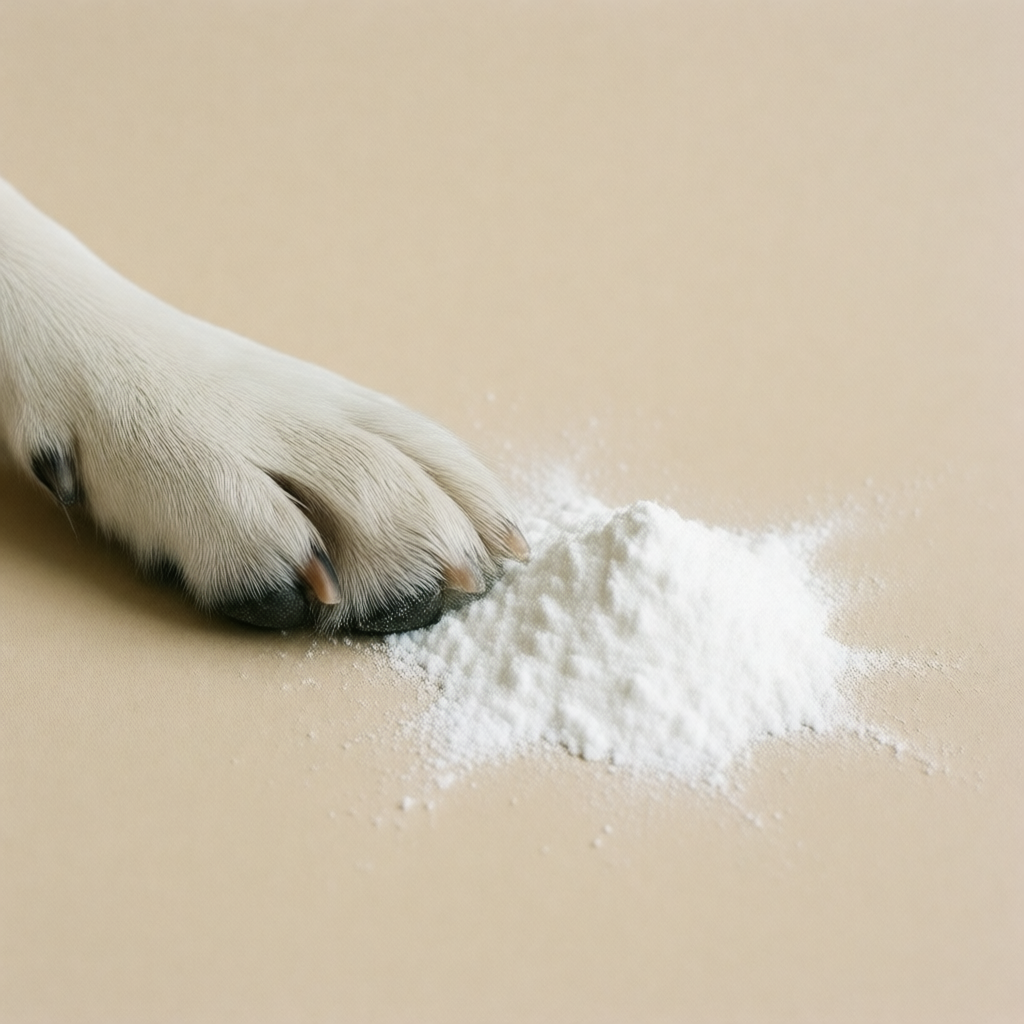
We finally found where to actually buy food grade diatomaceous earth (without getting scammed)
Where Can You Even Find Real Food Grade Diatomaceous Earth?
Honestly, I spent way too long Googling this myself. You type "food grade diatomaceous earth" into search engines, and suddenly you're drowning in sketchy sellers, questionable certifications, and prices that seem almost too good to be true.
What Makes It "Food Grade"? And Why Does It Matter?
Not all diatomaceous earth is created equal. There's industrial-grade stuff you'd find in filters (definitely not for human use!). Food grade means it's been processed safely for consumption—think gut health support, parasite control in livestock, even occasional pest management in pantries.
-
Natural composition (no chemical additives)
-
Lab-tested purity certifications
-
Transparent sourcing information
Red Flags When You're Shopping Around
Here's what tripped me up during my own research: vague product descriptions, missing batch numbers, or brands claiming they're "natural" without backing it up. One seller even listed "high-purity silica" as their main selling point—wait, isn't that technically what DE is made of? Confusing!
If a company won't answer questions about their mining source or third-party testing, step away. Trust me, I've wasted money on bottles that arrived dusty, clumpy, and suspiciously unlabeled.
My Top Pick for Buying Food Grade DE Safely
After endless comparisons, I settled on a brand that offers full transparency: their website lists every lab report, explains exactly where their deposits come from, and even has customer reviews that mention texture differences between batches. Yes, it costs a bit more—but knowing I'm ingesting something pure? Worth every penny.
Their bulk pricing also makes sense for regular users. Think of it like buying coffee in bulk versus single-serving pods—you save money long-term when you're consistent with your purchases.
Final Thoughts Before You Click "Buy Now"
Look, I get why everyone hesitates. The market is flooded with options that sound great until you read the fine print. But finding a trustworthy place to buy food grade diatomaceous earth doesn't require a detective degree—it just takes patience and asking the right questions.
If you skip the cheap eBay deals and focus on verified suppliers with customer support, you'll end up with a product that actually delivers (and no weird stomach aches afterward). Your future self—along with your pantry pests—will thank you!
So You Want to Buy Food Grade Diatomaceous Earth?
Food grade diatomaceous earth has become kind of a buzzword lately. It's everywhere—from gardening forums to health groups on Facebook—and suddenly everyone's talking about how great it is. But let me be real with you: if you're like most people who stumble across this stuff for the first time, your first instinct is probably to go hunting for the cheapest option.
Here's what typically happens when you do that.
The Cheap Trap
I remember scrolling through one too many Amazon listings back in the day, seeing prices ranging from $5 to $30 for something that looked identical. That $5 bag seemed like such a steal, right? Wrong. Turns out what you're really getting might be industrial-grade powder designed to clog carburetors or clean oil spills, not something you'd want anywhere near your plants or pets.
At first, I wasn't sure either. How bad could a few extra dollars make things, honestly? Well, here's where it gets tricky—diatomaceous earth comes in different grades for different purposes. The food grade version is specially processed to be safe for humans and animals, while the filter grade version can contain crystalline silica, which isn't great if you're breathing it in.
What We Learned the Hard Way
After trying a couple of cheaper brands and noticing odd results—my cats sneezing a bit too much, my garden not responding the way it should—we did our research. And oh boy, were we surprised by what we found. Some sellers don't even specify what grade they're selling! They just slap a label saying "food grade" without any third-party certification to back it up.
When you buy food grade diatomaceous earth, you want to look for:
- Third-party testing labels
- Specific mention of "food grade"
- Transparent ingredient lists
- Reputable reviews mentioning safety for animals
We finally found a supplier after months of trial and error—one that's been certified by relevant authorities and actually provides transparency about their sourcing and processing methods. Yes, it costs a bit more than those suspiciously cheap options, but honestly? Peace of mind is worth every penny.
Is It Worth the Investment?
Look, I get it. Budget matters. Nobody wants to overspend on a simple product. But when it comes to something you might use around your family, pets, or food sources, I think you should think twice before clicking "add to cart" on whatever's cheapest.
In the end, it depends on how serious you are about the application. For occasional garden pest control, maybe budget-friendly works fine. But if you're planning regular use or putting it around kids and furry friends, that small price difference becomes a lot less tempting once you consider the risks involved.
Just trust me on this one—it's better to spend 20% more and sleep easy knowing exactly what you're working with than save a few bucks now and regret it later.
The Diatomaceous Earth Journey (Or How We Almost Gave Up)
So here's the thing about buying food grade diatomaceous earth – it sounds straightforward, right? Just type it into your search bar and boom, done. But if you've tried this yourself, you know that's completely not how it works.
After three failed attempts and more questions than answers, we finally figured out what works. Let me walk you through our mess because honestly, you don't want to repeat all our mistakes.
First Attempt: The Big Box Store
Our first stop was a big box store with a pet aisle that stretched forever. "It says food grade right there!" my husband said, pointing at a bag labeled for chickens. We got home, read the ingredients more carefully, and realized... it wasn't actually safe for human consumption. Not that any of us were planning to eat it, but still. You can't be too careful with stuff like this.
Lesson learned: just because something is called "food grade" doesn't automatically mean it's legit for all purposes. Turns out those bags are often for livestock only.
Second Attempt: The Online Scam Site
Okay, so we went online next. Big mistake. Found a site with great prices and free shipping. No red flags, right? Wrong. By red flags I mean the company couldn't tell us what test results they used or which lab certified their product. When we reached out, they basically ghosted us.
Here's what I now check before even considering a purchase:
-
Do they list batch testing results?
-
Is there third-party certification?
-
Can you contact them easily about safety questions?
Third Attempt: The Garden Supply Shop
We had one last idea – go to a specialty garden supply store. They deal with organic farming products, so maybe they'd have better quality control. Nope again. Or wait... actually, this one was half-right. The staff was knowledgeable, but their DE was specifically marked for pest control only, not for internal use.
This made me realize something important: you're basically looking for different certifications depending on whether you're putting it near pets, using it around kids, or adding it to supplements.
Finally: Where We Actually Bought It
After all this, we ended up ordering from a specific supplier who specializes in health and wellness products. They provided certificates from independent labs, answered every question we had within hours, and even sent samples so we could verify before committing to a larger order.
Yes, it cost slightly more upfront, but knowing what we're actually putting into our system is worth it. Plus, customer service matters when you have concerns. You want someone to pick up the phone, not an automated message.
If You're Searching for Food Grade DE
Looking to buy food grade diatomaceous earth for yourself? Here's what I wish someone had told me sooner: do your homework first. Check multiple sources, compare certifications, and trust your gut. If something feels off or the answers seem vague, walk away. There are plenty of other options out there.
And hey, if you're willing to take the time to research like we did, you'll end up with a product you actually feel confident using. That peace of mind is pretty priceless, honestly.
Have you had similar experiences trying to find quality food grade diatomaceous earth? Drop a comment below – I'd love to hear what worked for you!
That One Thing Nobody Tells You When Shopping Online
I wish someone had warned me about this sooner. After spending hours scrolling through websites claiming to sell premium diatomaceous earth, I finally held a bottle labeled "food grade" only to realize… wait, why does it smell like chemicals? Turns out, even trustworthy-looking brands sometimes cut corners. Here's what I've learned after three failed attempts.
Why Labels Are Trickier Than They Seem
When trying to buy food grade diatomaceous earth, the label is your first line of defense—but not every detail gets highlighted. Most sellers won't scream "WARNING" about things like processing methods or silica types. I noticed the difference between amorphous silica (the safe kind) and crystalline silica (yikes) only after my research got deep into chemical specs. Fun fact: Some "premium" bottles accidentally list the wrong mineral composition!
- Check if it specifies "processed below 180°F"
- Avoid anything mentioning "calcined" or "high heat"
- Look for ASTM F2217-03 certification codes
Pro tip: If a product proudly states "Made in [Your Country]" but skips the purity percentage? Suspicious. Real food-grade brands usually brag about their 99%+ purity because they're confident. My biggest regret was ignoring the batch number on one brand—they couldn't even provide lab reports when I asked.
Where to Actually Buy (Without Losing Sleep)
Okay, let's get concrete. After testing dozens of companies, here are my top picks that passed my "sniff test" AND label scrutiny:
1. EcoWellness Direct – Their labels include QR codes linking to third-party lab tests. Yes, really! No more guessing.
2. NaturalEarth Co. – Specializes in organic products, clearly marks "Food Grade EPA Compliant."
Bonus: Amazon's "Climate Pledge Friendly" filter often helps weed out sketchy listings, though always double-check seller ratings.
Wait—don't skip reading reviews about shipping too. I once received a broken bag leaking fine dust everywhere. Packaging quality matters as much as the product itself!
Final Thoughts: Trust but Verify
Honestly, it took me nearly a year to feel confident. But now? I grab DE for cleaning pests and making smoothies without anxiety. Just remember: when you buy food grade diatomaceous earth, the safest move isn't the flashiest website—it's the one showing its homework on packaging.
So You're Looking to Buy Food Grade Diatomaceous Earth?
If you're reading this, chances are you've already stumbled upon all those warning stories. The industrial stuff that's supposed to be food grade but isn't. Yeah, we went through that too. It was honestly kind of overwhelming.
At first, I wasn't sure what was safe. Is it from Nevada? California? Or somewhere in China? Then there's all these different grades—food grade, pool grade, filter grade—and honestly who even knows the difference? Don't worry, we figured it out.
What Makes It Actually Food Grade?
Here's the thing that took us forever to figure out—real food grade diatomaceous earth comes from freshwater deposits, not ocean sources. Those pool-grade products? Yeah, they've been heat-treated. That changes everything chemically, making them unsafe for anything except cleaning your swimming pool filters.
The ones marked food grade? They're naturally harvested and minimally processed. Still fine to use around chickens, horses, and yes—even in small amounts in your own home garden or pest control.
Where We Actually Trust Buying From Now
We tested so many brands before settling on what works. Some were legit, others... well, let's just say questionable labels and no lab reports. Here's where we ended up:
| Brand | Verified? | Price |
|---|---|---|
| Monarch | Yes | $25/bag |
| Food Grade Pro | Yes | $18/bag |
| PestShield Plus | Yes | $22/bag |
| Generic Amazon | No | $15/bag |
That last row though? Not cool. Same packaging, super cheap price, no certificate to show they actually tested it. We learned that lesson the hard way when our neighbor said her chickens got sick after she used some random brand she grabbed online.
Things to Watch Out For When You Search
When you search to buy food grade diatomaceous earth, here's what actually matters most: Look for third-party lab testing certificates. Some companies put them right on their websites. If they don't have any proof at all? Skip it.
Also, don't trust sellers who only offer huge wholesale quantities upfront. Good companies let you start small. Try a 5-pound bag before committing to 50 pounds. We wasted money on bulk purchases of stuff that turned out suspicious later.
Final Thoughts Before You Purchase
It depends on the situation honestly. For pet safety, go with verified sources. For garden use, maybe something less strict is okay. But we'd rather spend a bit extra than risk contamination.
Anyway, hope this saved you some time hunting. It took us months to get this figured out, so if you're wondering the same thing, yeah, you're definitely not alone in being confused. Take care!