Stop Ants with Diatomaceous Earth—But Do It Right (Here’s How)
Why Placement Matters More You Think
If you’ve ever tried to stop ants with diatomaceous earth (DE) and failed, it’s probably not the product’s fault—it’s how you used it. I once sprayed DE everywhere in my kitchen, only to find ants still marching through. Turns out, where you put it matters way more than how much.
Step 1: Know Your Enemy’s Path
Ants follow scent trails. Before applying anything, watch where they walk for 10 minutes. Look for gaps near windows, cracks in cabinets, or door thresholds. That’s your battle map.
Common hiding spots: Under sinks, near trash bins, along baseboards.
Avoid high-traffic areas kids or pets touch daily.
Step 2: Dust Thin Layers, Not Clouds
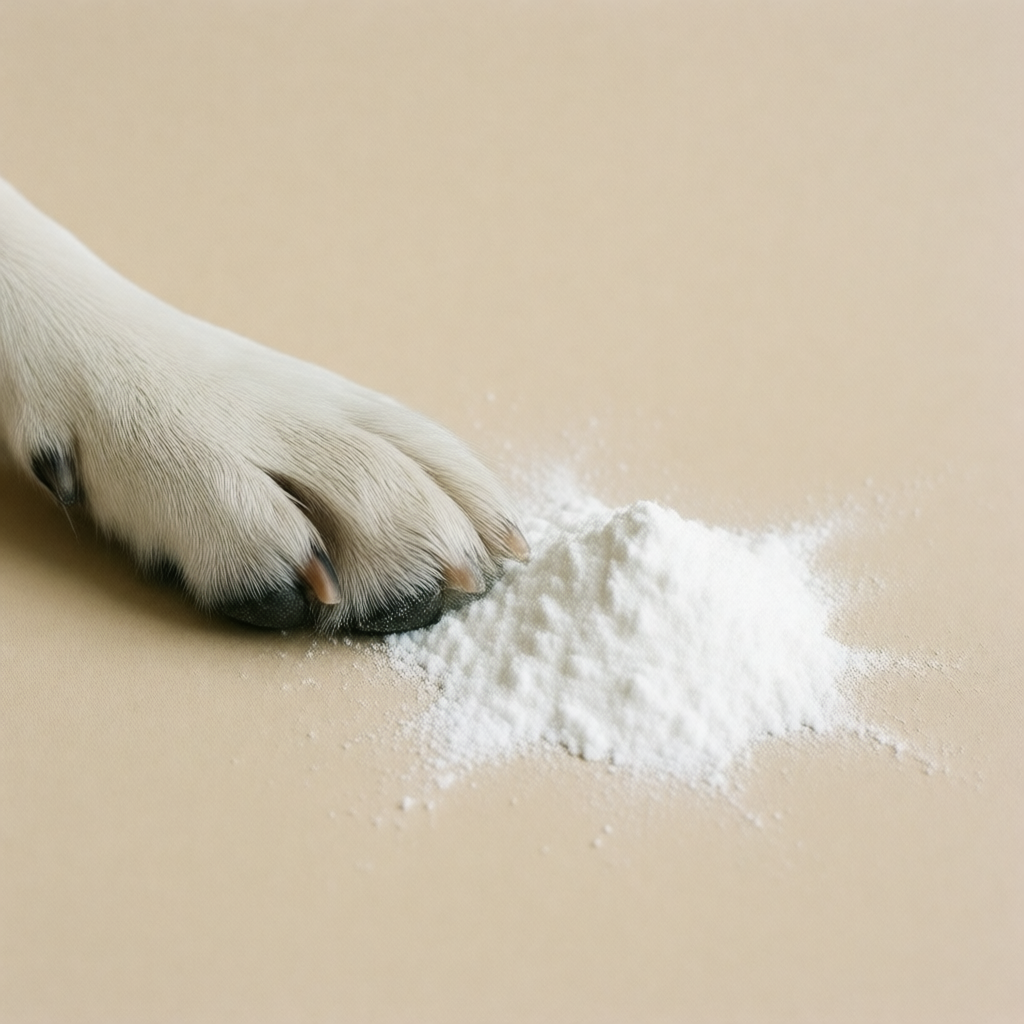
Mistake #1? Piling DE like snow. A light coat works better. Too thick, and it clumps, losing effectiveness.
Try this: Dip a cotton ball in DE, dab it along baseboards. For floors, sprinkle sparingly with a sifter. Then, gently brush it into cracks with a paintbrush.
Step 3: Target Hidden Entry Points
You wouldn’t store food outside, right? Same logic applies. Focus on:
Wall crevices behind appliances.
Holes around plumbing pipes.
Window frames during spring storms (when ants invade).
Step 4: Safety First (Seriously!)
Natural ≠ harmless. Food-grade DE is safer, but wear a mask while applying. Inhaling dust irritates lungs, and pets shouldn’t roll in it. Keep it away from water sources too—it loses power when wet!
Common Mistakes People Make
Applying DE before cleaning: Trash and crumbs attract ants. Sweep first!
Using “pest control” DE instead of food-grade: Check labels—some products have additives toxic to non-target insects.
Expecting instant results: DE kills slowly by dehydrating ants. It might take days.
Pro Tips for Lasting Results
Reapply after mopping or heavy rain. Combine with natural deterrents like vinegar sprays near entry points. And remember—consistency beats quick fixes. If ants return, tweak your placement strategy rather than giving up.
By placing DE strategically, you turn a messy problem into a manageable one. Start small, learn their patterns, and adjust. Good luck!
Why Picking the Wrong DE Could Backfire
Not all diatomaceous earth is created equal. Using pool-filter grade DE indoors for ant control? That’s like using concrete mix to bake a cake—it sounds risky, right?
Pool-grade DE contains crystalline silica, which can irritate lungs and skin. Food-grade DE? That’s the safe choice for homes with pets and kids. Here’s how to get it right.
Step 1: Verify You Have the Right Bag
Before sprinkling anything, flip that bag over. Food-grade DE will proudly state “for pest control” or “food-safe” on the label. Pool-grade DE often warns it’s for industrial filters only. If you’re unsure, err on caution—keep both types separate.
✅ Look for “Amorphous Silica Dioxide” (not crystalline!)
✅ Trust brands sold at hardware stores, not pool supply shops
Step 2: Target the Right Areas
Ants leave trails, so find their entry points first. Sprinkle thin layers along windowsills, door frames, and cracks. Think powder—not piles! Too much DE blocks its effectiveness. A light dusting works best.
Step 3: Protect Yourself While Applying
DE is fine powder—don’t breathe it in! Wear a mask (N95 works), and consider disposable gloves. If you’ve got cats or dogs, keep them away during application. Once settled, it’s harmless to animals. Just don’t eat the stuff!
Common Mistakes to Skip
I’ve seen folks make these errors:
Mixing DE with water (it clumps and fails)
Using it outdoors near gardens (kills beneficial insects)
Reapplying after mopping floors (wet = useless)
Why This Matters More Than You Think
Getting the type wrong isn’t just ineffective—it’s unsafe. Imagine spraying pesticide-laced powder in your kitchen because you grabbed the wrong bag. Oof. With food-grade DE, you’re using a mineral that’s been safe for humans for decades.
Start small. Try a corner first. Observe results for 48 hours. Adjust as needed. It’s okay to ask yourself, “Am I doing this right?”—that curiosity keeps pests out without risking health. Now go tackle those ants, responsibly!
When Ants Attack, Stay Calm—and Smart
You spot a trail of ants marching across your countertop. Frustrating, right? I’ve been there—spraying everything from vinegar to poison bait before realizing the real fix is simpler. Enter: diatomaceous earth (DE). But wait! Using it wrong makes it useless—or worse, dangerous.
Let’s walk through how to use diatomaceous earth for ants step by step. No jargon, just what actually works.
Step 1: Grab the Right Kind of DE
Food-grade only! Industrial DE contains additives harmful to pets and kids. I learned this after my cat sneezed constantly near the treatment area. Always check labels—it should say “food grade” or “pool grade.”
Step 2: Find Their Highways
Ants follow scent trails. Look for:
Near windowsills or door cracks
Behind appliances (they love warmth)
Outdoor trails leading indoors
Pro tip: Sprinkle a tiny pinch of DE on their path. If they avoid it, you’ve got your target zone.
Step 3: Apply Like a Pro
Dust lightly—not thick layers. Think fairy dust, not snowdrifts. Here’s how:
Clean areas thoroughly first. DE works best on dry surfaces.
Use a hand duster or brush to apply thin coats.
Focus on hidden spots: baseboards, cabinet hinges, cracks.
Reapply after rain or cleaning.
I once overdosed a patch near my sink—it looked like a chalkboard. The ants still avoided it, but cleanup was a nightmare.
Mistakes to Sidestep
Wetting the DE: It loses effectiveness when damp.
Breathing fumes: Wear a mask during application. DE particles irritate lungs.
Pet zones: Keep it away from pet beds, water bowls, and litter boxes.
Patience Pays Off
DE doesn’t kill instantly. Ants carry it back to colonies, spreading the effect over days. After two weeks, I saw zero trails. Don’t rush reapplications—let nature work its magic.
Final Thought: Safety First
This method is safer than chemicals, but respect the process. Store DE in sealed containers, out of children’s reach. And remember: consistency matters more than quantity. A little applied smartly beats a lot thrown randomly.
Got questions about other natural pest control hacks? Drop them below—no judgment here. Even experts started where you are.