So You’re Using Diatomaceous Earth... Here’s What You Actually Need to Know
Why Most People Mess Up DE Application (And How to Avoid It)
So you've got some food grade diatomaceous earth powder sitting in your pantry or garage, right? Yeah, I know—my friend bought a bunch of it last month too. But here's the thing I realized after trying myself:
Data Section: Common Mistake #1
You're Putting It Everywhere When You Shouldn't
At first, I wasn't sure either—I thought more DE meant better protection. Turns out that's a total myth. You can't just sprinkle it everywhere and expect miracles.
Think about where pests actually live. They don't hang out randomly across your entire kitchen floor. They stick to specific areas where they get food or water. So when you're applying DE, you need to focus on those little nooks and crannies—not every square inch of your home.
Data Section: Common Mistake #2
Using Wet Application When It Has to Stay Dry
This one killed my initial attempts. DE doesn't work if it gets damp. Moisture is its krypton power, so if you accidentally get it wet, it basically becomes useless overnight. I learned that lesson the hard way during a particularly humid summer.
Skipping Safety Precautions Altogether
Yeah, even though it's called "food grade," we still need to take precautions. It's not safe to breathe in large quantities, especially when you're spreading it around. A simple mask goes a long way—you'd be surprised how much dust can linger in your nose afterward.
Applying It Only Once and Forgetting About It
Insect life cycles are tricky. Some eggs hatch weeks later. So if you apply DE once and move on, you're leaving yourself vulnerable. I recommend checking and reapplying every few weeks, depending on your infestation level.
Not Understanding It's Not Instant Magic
If you're expecting pests to vanish overnight, you're setting yourself up for disappointment. DE works mechanically—it damages their exoskeletons over time. Give it at least a week or two before you see real results. Patience matters more than you think.
Where Should You Actually Apply Food Grade DE?
Here's what worked for me after several trial runs:
-
Behind appliances and cabinets
-
Along baseboards and door frames
-
Around entry points and cracks
-
Under sinks and in drains
Look, DE isn't a perfect solution. It depends on the situation, the pest type, and your living environment. But if you follow these basics instead of just spraying it everywhere like wildfire, you'll get way better results without wasting product.
Final Thought Before You Start
Before grabbing your bag of food grade diatomaceous earth powder, take a moment to really assess where your problem areas are. It's worth the planning instead of rushing into application mode. Trust me—you'll thank yourself later.
What's your experience with DE? Have you made any of these mistakes? Drop a comment below—let's learn together.
So You Got Diatomaceous Earth?
Okay, so you bought some DE powder. Maybe you saw someone recommend it online, or maybe you're just trying to solve an ant problem without harsh chemicals. Whatever your story, let's chat about what you actually need to know before you start sprinkling this white stuff around your house.
First Things First: Which Kind?
This is huge—there's pool-grade and food grade diatomaceous earth powder, and they're NOT interchangeable. Yeah, I know that sounds like common sense, but people do mix them up. Food grade? That's your safe bet for most home uses. Pool grade has been heat-treated and can be more irritating to work with.
Indoor Game Plan
For inside your home, I'd say skip heavy application unless you've got a serious pest situation. A light dusting along baseboards, behind appliances, or in cracks works better than making clouds of powder everywhere. And yeah, wearing a mask when applying makes sense—you don't want to breathe in fine silica particles even though we're talking food grade here.
-
Kitchen areas: under cabinets where ants travel
-
Pet bedding spots (just away from where pets sleep)
-
Garage corners and entry points where bugs hide
Outdoor Applications
Outside, things get a bit different. Around flower beds, garden rows, or near trash cans? Totally fair game. Just remember DE loses effectiveness when wet. So after rain or irrigation, you'll need to reapply. At first, I wasn't sure about this myself, but honestly, it's worth checking occasionally.
What It Doesn't Do
Here's something important: DE isn't magic. Some folks expect immediate results, but it takes time. The thing kills by damaging exoskeletons—it's not a poison in the traditional sense. If you see cockroaches still moving two days after application, don't freak out. They're dying slowly, which is actually normal.
Safety Quick Check
Keep this away from small children playing zones and definitely don't apply near pet bowls. And if you've got respiratory issues, step back a bit during application. Even though we're talking food grade diatomaceous earth powder, breathing in any fine particles long-term isn't super healthy.
The Bottom Line
DE works best as part of a broader strategy. Keep things clean, seal entry points, fix moisture problems. But hey, sometimes a little powder in strategic places really does help. Honestly, I've used both DE and more expensive alternatives over the years, and this white stuff? Still gets the job done most times.
Why Pet Owners Are Talking About Diatomaceous Earth
Hey there! Let’s chat about something that’s been popping up everywhere lately—diatomaceous earth. Specifically, the kind we use around our fur babies. I’ll be honest: I didn’t fully understand it myself until last year when my neighbor swore by it for flea control. Now, here’s the kicker… not all DE is created equal. And trust me, your pets rely on you to sort this out.
What’s the Buzz About Food Grade?
Picture this: You’ve got a jar labeled “diatomaceous earth,” but does it say “food grade”? Spoiler alert—it absolutely should. This stuff comes from ancient fossilized algae, and while non-food-grade versions exist for industrial use (think pools filters), the food-grade variety is the safe choice for pets. It’s inert, meaning it won’t react chemically, which is crucial when animals groom themselves after crawling through treated areas.
At first, I questioned whether this was overkill. Could it really hurt a dog or cat? Turns out, yes—if you’re using the wrong type. Industrial DE contains crystalline silica, a respiratory hazard. Oops. Food grade DE is amorphous, which makes it safer for regular home use. Still, moderation matters!
How to Apply It Safely Around Pets
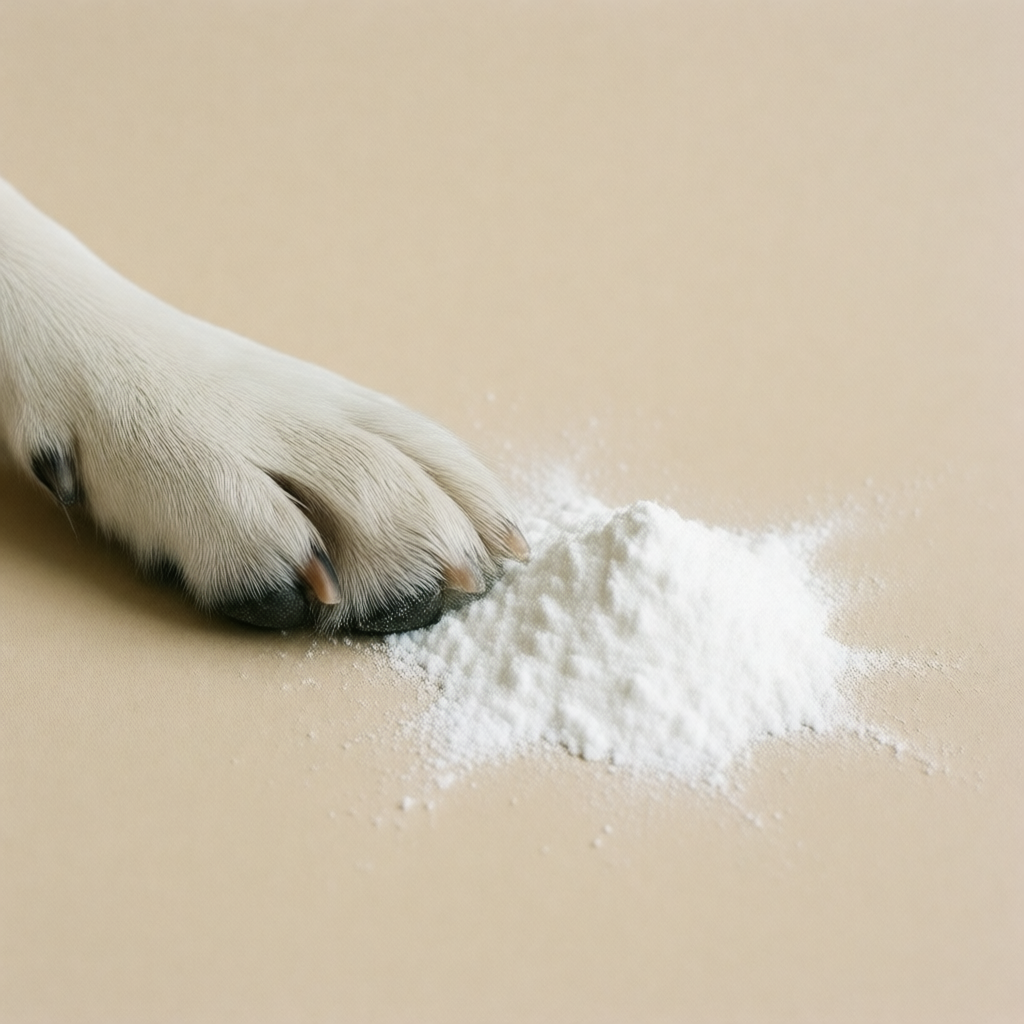
Okay, so you’ve got your food grade diatomaceous earth powder. Great! Now what? Here’s where I learned the hard way: sprinkle lightly, not liberally. Think thin layers on carpets, bedding, or outdoor dirt patches. And always vacuum up excess before letting your pup run wild. Their tiny noses deserve protection too.
Dust coats parasites, dehydrating them over time
Avoid applying near their face—keep it low-key
Wear a mask when handling (for you, not them!)
Pro tip: Test a small area first. My cat once sneezed dramatically after a heavy hand with the shaker. Note to self: Less is more.
Red Flags You Might Miss
Here’s what tripped me up: product labels don’t always scream “safe.” Some brands sell “DE” without specifying grade. Always verify it’s labeled for ingestion-free consumption, and ideally certified for pets. If it’s unclear, steer clear. We want to protect our companions, not accidentally harm them.
Also, store it tightly sealed. Moisture clumps it up, and dust particles could irritate airways. Yeah, I’ve done both—spilled a bit, forgot to seal it properly. Learn from my blunders!
Bottom line? Yes, diatomaceous earth works wonders for pest control, but your pets’ safety hinges on choosing the right kind. When in doubt, consult a vet—they’ll appreciate the caution. Let’s keep those tail wags and purrs coming without surprises. Got a DE hack? Share below! 🐾