Why Diatomaceous Earth Is Our Go-To for Yard Fleas (And When It Doesn’t Work)
So You're Dealing With Fleas Outside Too?
Let me guess – you bought your fur babies some flea prevention last week, they're all protected inside, and now you're noticing those little jumpers hanging out where the kids play grass-side? Yeah, I've been there.
Turns out treating indoor fleas is just half the battle. The real troublemakers are living outside too. That's where diatomaceous earth yard fleas protection comes into play for us.
What Makes This Stuff Actually Work?
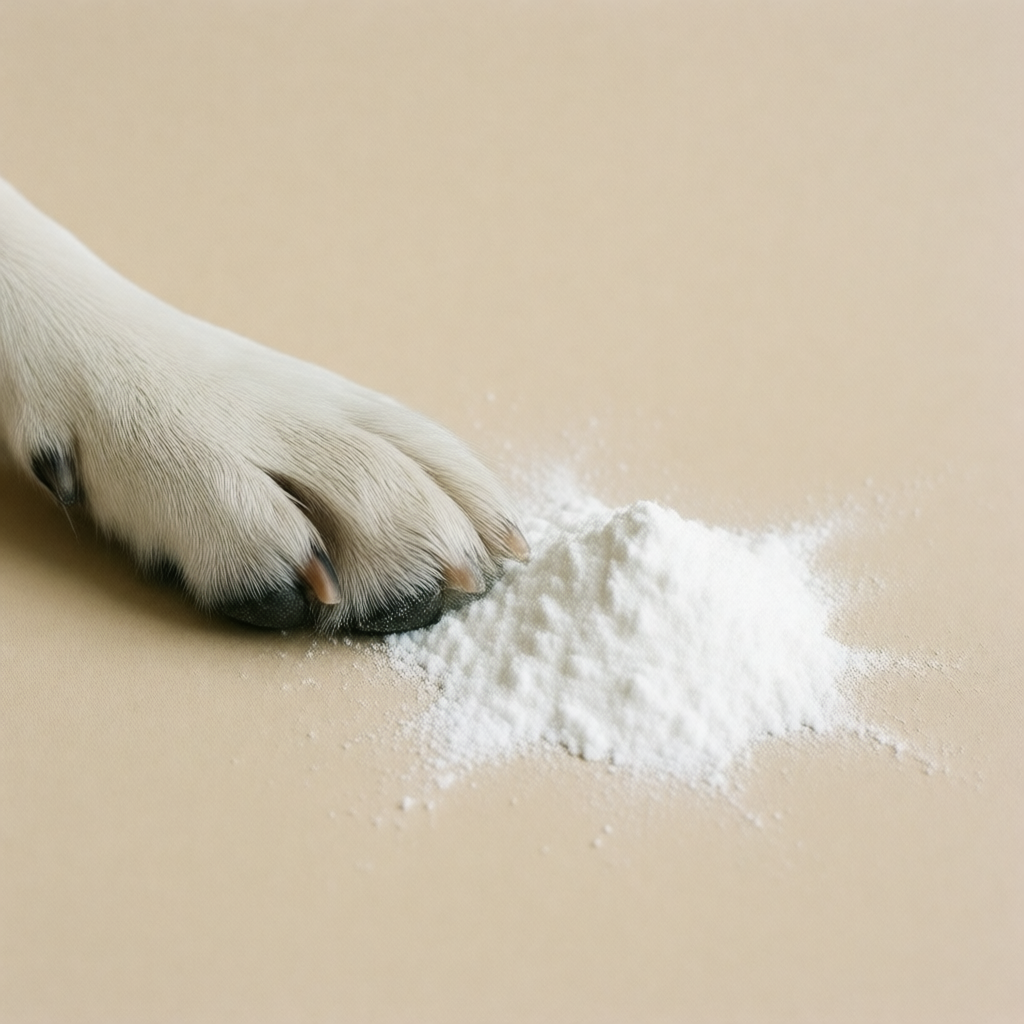
Here's what got me hooked on diatomaceous earth (or DE, as we like to call it): It's literally microscopic fossils. Tiny aquatic organisms that died millions of years ago and crushed into fine powder.
Think about it like this – when fleas crawl through it, these sharp particles stick to their exoskeletons and cause them to dry out. No fancy chemicals, no harsh pesticides. Just nature doing its thing. I was genuinely skeptical at first, but watching our dog get relief without toxic fumes made me believe.
When DE Shines for Your Yard
In my experience, diatomaceous earth yard fleas work best under these conditions:
- Dry weather (moisture ruins its effectiveness)
- Low-traffic areas like garden beds
- Outdoor pets spend plenty of time
- Reapplication every few weeks
| Condition | DE Effectiveness |
|---|---|
| Dry environment | ★★★★★ |
| Heavy rainfall | ★☆☆☆☆ |
| High humidity | ★★★☆☆ |
| Frequent watering | ★★☆☆☆ |
See? It's not magic. If you water heavily or live somewhere constantly damp, you'll be disappointed. But if you match usage to your environment... bam. Problem solved.
Where It Falls Short
Listen, I'm not going to lie to you. We had one summer where despite using diatomaceous earth yard fleas treatment religiously, we still saw issues. Turns out our neighbor had untreated dogs AND heavy rain kept things moist. DE needs consistency.
Also, don't expect instant results. Unlike chemical sprays, DE works slower but lasts longer. Give it two weeks minimum before judging whether it's helping.
Bottom line? Diatomaceous earth became our go-to because it's safe, affordable, and actually does the job when you use it right. Just know its limits. Happy treating! 🐾
Why Diatomaceous Earth Became My Yard Battle Weapon
You know that sinking feeling when you walk barefoot in your yard and realize fleas are hosting a secret rave on your toes? Yeah, we were there too—scratching constantly, blaming the dog, then realizing our grass was basically a flea hotel. After trying everything from chemical sprays to those weird essential oil tricks (turns out lavender doesn't scare fleas much), we finally stumbled onto diatomaceous earth for controlling yard fleas.
At first, I was skeptical. Like, really skeptical. Here's a powdered fossil dust that costs less than lunch, and it's supposed to save us from flea apocalypse? But after testing it out—and making plenty of embarrassing mistakes along the way—I'm convinced it's worth giving a shot. Of course, it's not magic, and sometimes it fails spectacularly. That's what this whole thing is about: the highs, lows, and lessons learned using diatomaceous earth yard fleas.
How It Actually Works (Spoiler: It's Kinda Gross)
Food-grade diatomaceous earth isn't poison—it's microscopically sharp particles that dehydrate insects. When fleas crawl through it, those tiny shards scratch their exoskeletons, drying them out until... well, you get the idea. Think of it as nature's salt trap. No chemicals, safe for kids (once settled), and harmless to plants. Plus, it lasts weeks instead of days like most sprays.
Here's the thing though: I once sprinkled it thick during a rainy week and watched it turn into mud clumps. Total waste. The key is dry weather and reapplying after rain. We wasted three buckets before figuring that out! 😅
Mistakes That Made Me Want to Throw Hands With Fleas
If you're reading this, chances are you've got flea problems too. From experience, here are the errors that slowed us down:
- Applying it thickly everywhere. Trust me—fine mist works better.
- Ignoring shady spots. Fleas love humidity under bushes!
- Expecting overnight results. Patience matters more than you'd think.
One time, I wore a mask while spreading DE thinking I'd look cool... until my neighbor asked if I was preparing for a science experiment gone wrong. Worth the laugh though, because that day's lesson stuck!
When Diatomaceous Earth Yard Fleas Won't Cut It
Look, nothing's perfect. If your infestation is heavy, DE alone won't banish fleas overnight. It works best as part of a combo plan—like vacuuming + treating pets + DE for soil. I remember panic-buying a million packets when one summer, fleas multiplied like rabbits. Ended up calling pros who used spot treatments alongside DE.
Also, wet climates? Tricky. Rain washes it off quickly, so reapply every two weeks. Or use water-resistant formulas if available. And please, don't skip wearing gloves. That powder can irritate your skin if you're handling it directly. Ouch!
Final Thoughts Before You Sprinkle Again
DIY yard flea control doesn't always work perfectly—but with patience and tweaks, diatomaceous earth remains our top pick. Start small, observe what sticks, and don't feel bad about adjusting your approach. Fleas are resilient little monsters, but they're not invincible either. Happy gardening—and fewer scratches!
Why Diatomaceous Earth Is Our Go-To for Yard Fleas (And When It Doesn't Work)
If you've ever dealt with pesky flea bites in your backyard, you know how frustrating it can be. That's why diatomaceous earth yard fleas control has become our absolute go-to solution—but before you rush out to buy a bag, let's chat about when it actually works and when it might fall short.
We started using diatomaceous earth three years ago after summer afternoons turned into nightmare zones. My kids kept coming inside with red itchy bumps, and regular sprays felt like whack-a-mole. DE changed things, honestly. It's a powder made from fossilized algae, and here's the cool part: it dehydrates fleas on contact. No toxins, no harsh chemicals—just simple physics doing its job.
How It Works in Your Lawn
You sprinkle DE around shady spots, near dog bowls, or wherever pets lounge. The fine powder sticks to their legs, gets rubbed into fur, and over time those little pests dry out. It's gentle on grass and safe for pets once the dust settles—though you'll still want to wear a mask while applying it.
We noticed improvements in a week, but full clearance took three weeks. Patience was key! And honestly, consistency mattered more than quantity. Sprinkling a light layer every two weeks worked better than dumping a bucket once a month.
Where It Might Not Save You
Here's the thing I wish someone told me upfront: DE isn't magic. There are situations where even this hero product hits a wall.
Heavy Infestations Take Time
Last summer, we thought one application would fix everything. Nope. A single thick colony needed multiple rounds, plus we found hidden nests in wood piles. DE slows things down, but severe problems need backup plans—like flea traps or professional help.
Wet Conditions = Less Power
One rainy season wiped out our progress overnight. DE loses effectiveness when damp. If rain's forecasted or you live somewhere humid, timing becomes critical. We now apply it early morning, let it soak in dry weather.
It Won't Kill Hidden Eggs
DE targets active fleas, not eggs. So if you're seeing fleas disappear then suddenly reappear, it's likely a fresh hatch cycle. Pairing DE with a pet-specific treatment breaks the loop. Always check your pup's collar or shampoo!
Still, for most folks with moderate issues, diatomaceous earth yard fleas treatments are worth the effort. Just adjust expectations, stay consistent, and maybe invest in a good vacuum for indoor cleanup too.
Got questions about application or alternatives? Drop a comment—I'd love to hear what's worked for your outdoor spaces. Happy flea-free summers!